
Navigating the market for CBD products specifically for recovery requires a discerning approach. With a proliferation of options, making an informed choice hinges on asking the right questions before committing to a purchase. This guide outlines the essential inquiries to ensure you select a CBD product that aligns with your recovery goals, quality expectations, and safety standards.
Understanding Your Recovery Needs
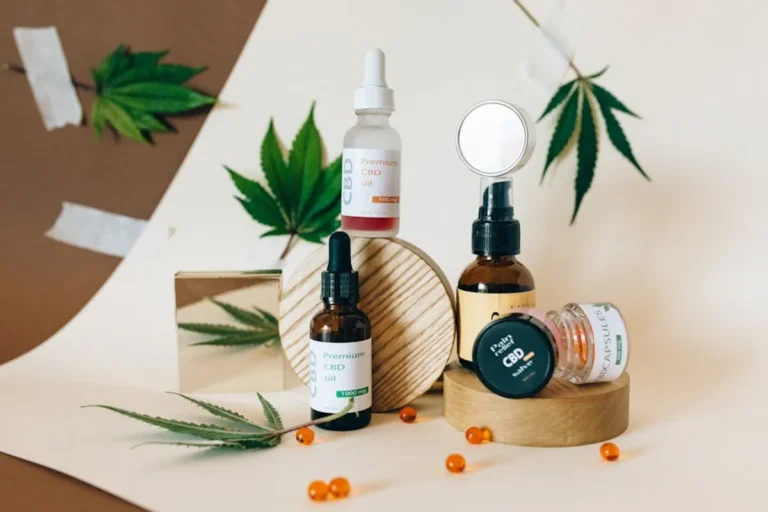
Before evaluating any product, clarify what you aim to achieve with CBD. Recovery is a broad term, encompassing various forms of physical and mental restoration. Pinpointing your specific needs will narrow down suitable product types and potencies. Consider if specific product forms like cbd capsules align with your preferred method of consumption and recovery needs.
What Kind of Discomfort Are You Addressing?
Different types of discomfort respond variably to CBD. Consider whether you are targeting:
- Muscle soreness: Often post-exercise, requiring localized or systemic relief.
- Inflammation: Acute or chronic, which can manifest in joints or tissues.
- Nerve pain: Characterized by tingling, numbness, or shooting sensations.
- Sleep disturbances: Crucial for overall recovery, where CBD may aid relaxation.
Identifying the primary issue helps determine if a topical application, an ingestible, or a combination approach is most appropriate. For instance, localized muscle soreness might benefit significantly from a high-potency topical balm, while systemic inflammation or sleep issues often respond better to tinctures or capsules.
What is Your Desired Outcome and Timeline?
Your expectations for CBD's effects should be realistic and defined. Are you seeking:
- Acute relief: For immediate post-workout soreness or temporary discomfort.
- Long-term management: For chronic inflammation or persistent pain.
- Faster post-workout recovery: To reduce downtime between training sessions.
CBD is not an instant fix; its effects can be subtle and cumulative. Understanding your timeline helps manage expectations regarding onset and duration of benefits. For acute needs, faster-acting delivery methods like vaping or sublingual tinctures might be preferred, while capsules offer a slower, sustained release for long-term support.
Evaluating CBD Product Types and Potency
The form and strength of CBD products are critical factors in their efficacy for recovery. Understanding these distinctions is paramount.
Full-Spectrum, Broad-Spectrum, or Isolate?
The cannabinoid profile dictates how a CBD product interacts with your body:
- Full-spectrum CBD: Contains all naturally occurring compounds of the hemp plant, including other cannabinoids (like trace THC, typically below 0.3%), terpenes, and flavonoids. This creates an "entourage effect," where compounds work synergistically, potentially enhancing therapeutic benefits for recovery.
- Broad-spectrum CBD: Contains most hemp compounds but has undetectable levels of THC. It offers some entourage effect without the concern of THC presence, suitable for those who undergo drug testing.
- CBD isolate: Pure CBD, with all other plant compounds removed. While effective for some, it lacks the potential synergistic benefits of full- or broad-spectrum products.
For recovery, many users report greater benefits from full- or broad-spectrum products due to the entourage effect, especially for inflammation and pain management.
How Much CBD Per Serving?
Potency is measured in milligrams (mg) of CBD per serving or per container. A higher total mg in a bottle does not necessarily mean a higher concentration per dose. Always check the CBD content per serving (e.g., 25mg per dropper, 50mg per capsule). For recovery, starting with a lower dose (e.g., 10-20mg) and gradually increasing allows you to find the minimum effective dose, which is both cost-effective and helps avoid potential side effects.
What Delivery Method Suits Your Lifestyle?
CBD products come in various forms, each with different absorption rates and applications:
- Tinctures/Oils: Applied sublingually (under the tongue) for relatively fast absorption (15-45 minutes) and systemic effects. Ideal for general recovery and sleep support.
- Topicals (creams, balms, salves): Applied directly to the skin for localized relief of muscle soreness or joint pain. Effects are typically felt within 15-30 minutes.
- Capsules/Softgels: Ingested orally, offering a precise, pre-measured dose. Slower onset (1-2 hours) due to digestion, but longer-lasting effects. Good for consistent, long-term recovery support.
- Edibles (gummies, chocolates): Similar to capsules in onset and duration, but often flavored. Convenience is a key factor.
Choose a method that aligns with your recovery needs and daily routine. For targeted relief, topicals are often preferred; for systemic benefits, tinctures or capsules are more suitable.
Pro Tip: Always check the product label for the total CBD content in the container AND the CBD content per serving. A 1000mg bottle might sound potent, but if it's a large volume and you need a high dose per serving, it might not be as concentrated as you think. Calculate the mg per ml for tinctures to accurately compare potency across brands.
Scrutinizing Product Quality and Sourcing
The quality of the raw hemp and the manufacturing process significantly impact the safety and effectiveness of the final CBD product.
Where Does the Hemp Come From?
Hemp is a bioaccumulator, meaning it absorbs substances from the soil. Hemp grown in the United States, particularly under state agricultural pilot programs, often adheres to stricter farming standards regarding pesticides and heavy metals. Look for products that specify US-grown, organic, or sustainably farmed hemp. This minimizes exposure to harmful contaminants.
What Extraction Method Was Used?
The method used to extract CBD from the hemp plant influences the purity and safety of the final product:
- CO2 extraction: Considered the industry gold standard. It uses pressurized carbon dioxide to separate CBD from the plant material, resulting in a clean, solvent-free extract.
- Ethanol extraction: Also widely used and effective, but requires careful purging to ensure no residual solvents remain.
- Hydrocarbon extraction (e.g., butane, propane): Less common for CBD oils due to potential for solvent residues, though still used for some concentrates.
Prioritize products made with CO2 or properly performed ethanol extraction to avoid residual solvents that could be harmful.
Is Third-Party Lab Testing Available?
This is non-negotiable. Reputable CBD brands provide easily accessible Certificates of Analysis (COAs) from independent, ISO-accredited third-party laboratories. These reports confirm:
- Cannabinoid potency: Verifies the amount of CBD, THC, and other cannabinoids present.
- Purity: Tests for contaminants like heavy metals, pesticides, molds, microbes, and residual solvents.
Always cross-reference the batch number on the product with the COA to ensure you're viewing the correct report. A transparent brand will make this information readily available on their website or via a QR code on the packaging.
What Are the Other Ingredients?
Beyond CBD, examine the full ingredient list. Look for natural, beneficial additions and avoid unnecessary fillers or artificial components. Common beneficial ingredients include:
- Carrier oils: MCT oil (derived from coconut), hemp seed oil, or olive oil, which aid absorption.
- Terpenes: Naturally occurring compounds that contribute to the entourage effect and may offer additional therapeutic properties.
- Essential oils: In topicals, ingredients like menthol, arnica, or lavender can enhance localized relief.
Avoid products with artificial colors, flavors, or preservatives, especially if you have sensitivities.
Understanding Legal and Purchase Considerations
Knowing the legal landscape and what to expect from a brand enhances your purchasing confidence.
What Are the THC Content Regulations?
In the United States, federally legal hemp-derived CBD products must contain less than 0.3% delta-9 THC. This trace amount is generally not psychoactive. However, if you are subject to drug testing, even trace amounts of THC from full-spectrum products could potentially accumulate and trigger a positive result. Broad-spectrum or CBD isolate products are safer choices in such scenarios.
What is the Brand's Reputation and Customer Support?
Investigate the brand's transparency, customer reviews, and return policies. A brand that stands behind its products with clear information, responsive customer service, and a satisfaction guarantee demonstrates confidence in its quality. Look for brands that are transparent about their sourcing, manufacturing, and testing processes.
Practical Steps for an Informed Purchase
To ensure you buy the right CBD for your recovery needs, consolidate your research into these actionable steps:
- Define your specific recovery goals (e.g., muscle soreness, sleep).
- Decide on the preferred CBD spectrum (full, broad, isolate) based on your needs and THC concerns.
- Determine the appropriate delivery method (tincture, topical, capsule) for your lifestyle.
- Verify the CBD potency per serving and ensure it aligns with your desired dosage.
- Confirm the hemp source is reputable (e.g., US-grown, organic).
- Check for third-party lab reports (COAs) to verify potency and purity.
- Review the full ingredient list for quality and absence of undesirable additives.
- Examine the brand's reputation, customer service, and return policy.
By systematically addressing these questions, you can navigate the CBD market with confidence, selecting a product that genuinely supports your recovery journey.
Frequently Asked Questions About CBD for Recovery
How long does CBD take to work for recovery?
The onset time varies significantly by delivery method. Sublingual tinctures can take 15-45 minutes, topicals 15-30 minutes, and ingested forms like capsules or edibles 1-2 hours. Consistent use often yields more noticeable and sustained benefits for recovery over time.
Can I take CBD with other medications for recovery?
CBD can interact with certain medications, particularly those metabolized by the cytochrome P450 enzyme system, such as blood thinners, antidepressants, and anti-seizure drugs. It is crucial to consult with a healthcare professional before combining CBD with any prescription medications to avoid potential adverse interactions.
Is CBD addictive?
No, CBD is generally not considered addictive. The World Health Organization (WHO) has stated that "CBD exhibits no effects indicative of any abuse or dependence potential." It does not produce the intoxicating effects associated with THC.
What's the difference between CBD oil and hemp seed oil for recovery?
CBD oil is extracted from the flowers, leaves, and stalks of the hemp plant and contains cannabinoids, including CBD, which interact with the body's endocannabinoid system to support recovery. Hemp seed oil, conversely, is pressed from the seeds of the hemp plant and contains negligible to no cannabinoids. While rich in omega fatty acids and nutrients, hemp seed oil does not offer the direct cannabinoid-related therapeutic benefits for recovery that CBD oil does.