
Purchasing hemp oil online offers unparalleled convenience and access to a broad market, yet it also presents challenges in discerning genuine quality from inferior products. Without the ability to physically inspect items or consult directly with a knowledgeable salesperson, consumers rely entirely on digital information. This guide outlines the specific criteria and verification steps necessary to confidently select high-quality hemp oil from online vendors, focusing on transparency, verifiable product claims, and industry best practices.
Understanding Hemp Oil Fundamentals
The foundation of a high-quality hemp oil product lies in its source material and how it is processed. These initial stages dictate the purity and efficacy of the final product, making them critical considerations for online buyers.
Hemp Source and Cultivation Practices
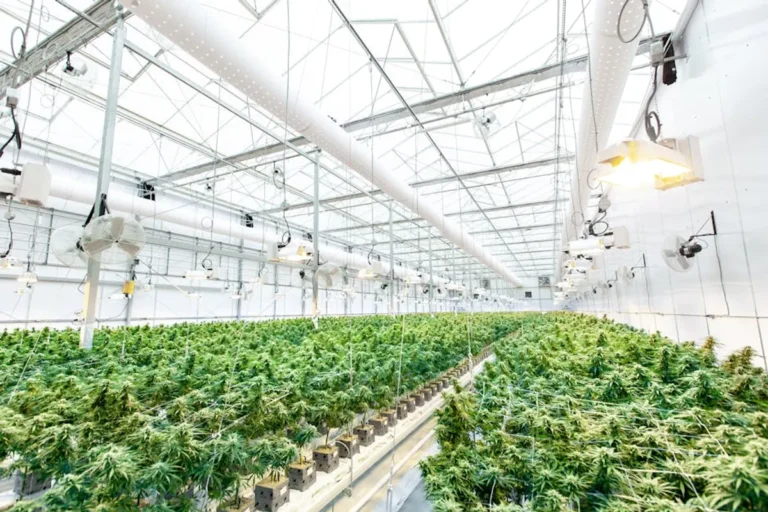
The origin of the hemp plant directly impacts the oil's quality. Hemp is a bioaccumulator, meaning it readily absorbs substances from the soil, both beneficial and harmful. Prioritize products derived from hemp grown in regulated environments.
- Organic Certification: Look for USDA Organic certification or equivalent. This indicates the hemp was grown without synthetic pesticides, herbicides, or fertilizers, reducing the risk of contaminants in the final oil.
- Geographic Origin: Hemp grown in the United States or European Union often adheres to stricter agricultural regulations and quality control standards compared to hemp sourced from regions with less oversight. This minimizes exposure to heavy metals and other environmental toxins.
- Non-GMO Status: Verify that the hemp used is non-genetically modified. While less common in hemp, non-GMO ensures natural plant characteristics are maintained.
Extraction Methods
The method used to extract oil from the hemp plant influences the purity, potency, and cannabinoid profile. Some methods are superior for preserving beneficial compounds while eliminating undesirable elements.
Preferred Method: Supercritical CO2 extraction. This process uses pressurized carbon dioxide to separate the oil from the plant material. It is considered the industry standard because it is clean, efficient, and non-toxic. CO2 extraction preserves the full spectrum of cannabinoids, terpenes, and other beneficial plant compounds without leaving behind harmful chemical residues. The controlled temperature and pressure prevent degradation of heat-sensitive compounds.
Methods to Approach with Caution: Ethanol or hydrocarbon extraction (e.g., butane, propane). While effective, these methods can leave behind residual solvents if not performed meticulously. Reputable brands will ensure rigorous post-extraction purification to remove all solvent traces, but CO2 extraction inherently carries less risk of contamination.
Verifying Product Purity and Potency
Beyond cultivation and extraction, the true measure of a hemp oil's quality lies in its verifiable composition. Online retailers must provide transparent information to build consumer trust.
Third-Party Lab Testing and Certificates of Analysis (COAs)
Independent third-party lab testing is non-negotiable for any high-quality hemp oil product. These tests confirm the product's cannabinoid content and screen for contaminants. A Certificate of Analysis (COA) is the document detailing these results.
What to Look For on a COA:
- Cannabinoid Profile: Confirms the presence and precise amounts of cannabinoids like CBD, CBG, CBN, and THC. Ensure the CBD content matches the product label. For broad-spectrum or isolate products, verify THC levels are undetectable (0.0%). For full-spectrum products, ensure THC is below the legal limit of 0.3%.
- Heavy Metals: Tests for lead, arsenic, cadmium, and mercury. These can accumulate from soil and are toxic.
- Pesticides: Verifies the absence of agricultural chemicals.
- Residual Solvents: If non-CO2 extraction was used, this confirms no harmful solvents remain.
- Microbial Contaminants: Checks for mold, yeast, and bacteria.
- Date of Testing: Ensures the COA is recent and relevant to the batch you are purchasing. Ideally, tests should be within the last 12 months, and often much more recent depending on batch turnover.
- Batch Number: The COA should correspond to a specific batch number on the product packaging, allowing for direct verification.
Pro Tip: Always access the COA directly from the brand's website or via a QR code on the product. Compare the batch number on the COA to the one on the product you receive. If a brand does not readily provide COAs, consider it a significant red flag and select an alternative vendor.
Ingredient Transparency
The list of ingredients should be clear, concise, and understandable. Beyond the hemp extract itself, other ingredients contribute to the product's overall quality and safety.
Carrier Oils: Common carrier oils include MCT oil (derived from coconut), hemp seed oil, or olive oil. MCT oil is often preferred for its bioavailability and neutral taste. Ensure the carrier oil is also high-quality, preferably organic.
Additives: High-quality hemp oils typically contain minimal additives. Avoid products with artificial flavors, colors, or unnecessary preservatives. Natural flavorings (e.g., peppermint oil) are acceptable if clearly listed.
Product Type: Understand the difference between full-spectrum (contains all cannabinoids, including trace THC), broad-spectrum (contains most cannabinoids, but THC is removed), and isolate (pure CBD, no other cannabinoids). Your choice depends on personal preference and desired effects.
Potency and Concentration
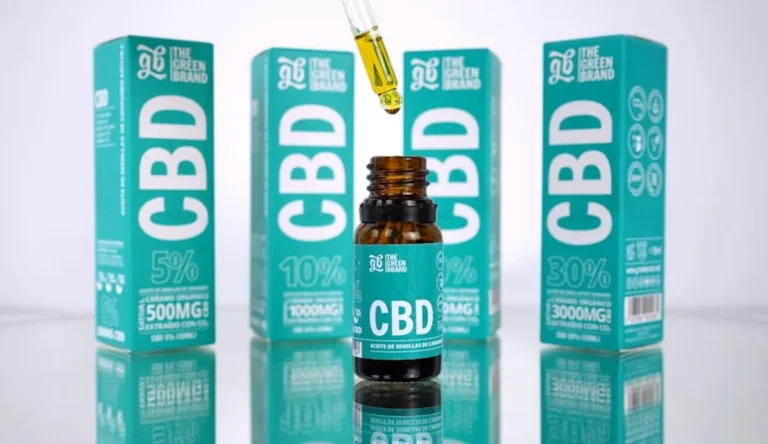
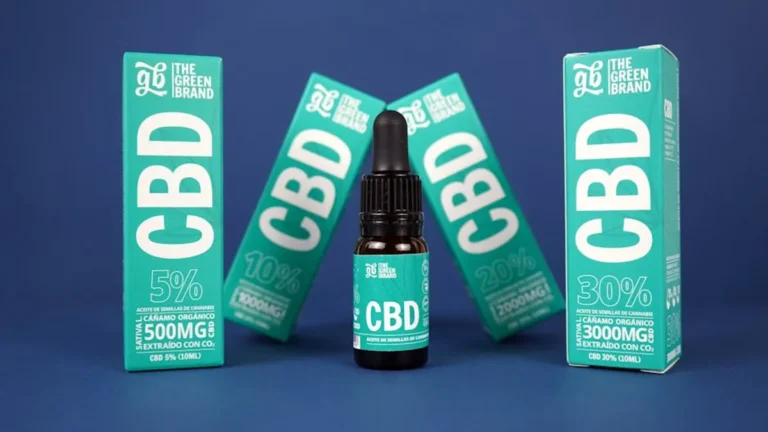
Hemp oil potency is expressed in milligrams (mg) of total cannabinoids, usually CBD, per bottle. It is crucial to understand the concentration per serving to accurately dose.
Milligrams per Bottle vs. per Serving: A 1000mg bottle might contain 30 servings. This means each serving delivers approximately 33mg of CBD. Always divide the total milligrams by the number of servings to determine per-serving potency. Higher potency generally translates to a better value per milligram of CBD.
Navigating the Online Marketplace
The online environment requires specific due diligence to ensure you are purchasing from a reputable and reliable source.
Brand Reputation and Customer Feedback
A brand's standing in the market and its interaction with customers provide valuable insights into its reliability.
Website Professionalism: A well-designed, informative website with clear navigation and comprehensive product descriptions indicates a professional operation. Look for dedicated sections on sourcing, testing, and company values.
Customer Reviews: Read reviews on independent platforms, not just testimonials on the brand's own site. Look for consistent feedback regarding product efficacy, customer service, and shipping. Be wary of sites with only overwhelmingly positive, generic reviews.
Customer Support: A reputable brand will offer clear contact information, including email, phone, or live chat. Test their responsiveness with a query before purchasing, if possible.
Website Information and Support
Transparency extends to the practical aspects of online shopping.
Shipping and Return Policies: Clear, accessible information on shipping costs, delivery times, and return policies is essential. Understand the conditions under which you can return a product, especially if you are dissatisfied with its quality or efficacy.
Educational Resources: Brands that invest in educating their customers about hemp oil, its uses, and how to choose products often demonstrate a commitment to consumer well-being beyond just sales.
Making an Informed Purchase
Choosing high-quality hemp oil online requires a systematic approach. Begin by verifying the hemp's origin and cultivation methods, then scrutinize the extraction process. Crucially, demand and review third-party COAs to confirm purity and potency, cross-referencing batch numbers. Finally, assess the online vendor's transparency through their website, customer support, and public reviews. By prioritizing these specific, verifiable details, you can navigate the online market with confidence and ensure your purchase aligns with high-quality standards. Demanding transparency about key ingredients to look for helps ensure product quality.
Frequently Asked Questions
What is the difference between hemp oil and CBD oil?
Hemp oil (often labeled as hemp seed oil) is typically extracted from the seeds of the hemp plant and contains negligible cannabinoids, including CBD. It is primarily used for nutritional benefits due to its fatty acid profile. CBD oil, on the other hand, is extracted from the flowers, leaves, and stalks of the hemp plant and is rich in cannabinoids, particularly CBD, which is responsible for its therapeutic properties. Always check the label for "CBD" content in milligrams.
How should I store hemp oil?
Hemp oil should be stored in a cool, dark place, away from direct sunlight and heat. This helps preserve the integrity of the cannabinoids and prevents degradation. Refrigeration is often recommended after opening, especially for larger bottles or if you live in a warm climate. Always ensure the cap is tightly sealed to limit exposure to air.
Can I travel with hemp oil?
Traveling with hemp oil depends on the legal status of hemp-derived products at your destination and the specific regulations of your mode of transport. In the United States, hemp-derived CBD products containing less than 0.3% THC are federally legal, but state laws can vary. For international travel, regulations differ significantly by country; always research the laws of your destination country and any transit countries before traveling with hemp oil.
How long does it take for hemp oil to work?
The onset time for hemp oil varies based on the consumption method, individual metabolism, and the specific product. Sublingual administration (holding oil under the tongue) typically results in effects within 15-45 minutes. Ingesting hemp oil in capsules or edibles means effects may take 1-2 hours as it must pass through the digestive system. Topical applications work locally and can provide relief within minutes to an hour. Consistent use over several days or weeks is often required to observe the full benefits.