Navigating the burgeoning market for CBD products intended to support sleep requires a discerning approach. With an influx of brands and varying claims, distinguishing genuinely effective options from marketing hype is crucial for consumers seeking specific outcomes. This guide outlines the essential criteria and considerations for selecting CBD products formulated for sleep, focusing on verifiable product attributes and industry best practices rather than unsubstantiated promises.
Understanding CBD's Interaction with Sleep
CBD (cannabidiol) is one of many compounds, known as cannabinoids, found in the cannabis plant. Unlike THC, CBD is non-intoxicating. Research into CBD's precise mechanisms for sleep support is ongoing, but current understanding suggests it may influence sleep indirectly by addressing factors such as anxiety, pain, and inflammation, which can disrupt restful sleep. For consumers, the practical implication is that a product's overall composition, beyond just its CBD content, can significantly impact its potential efficacy for sleep.
Key Product Characteristics for Sleep Support
When evaluating CBD products specifically for sleep, several core characteristics warrant close examination. These attributes collectively contribute to a product's potential effectiveness and help differentiate quality offerings.
Cannabinoid Profile: Full-Spectrum, Broad-Spectrum, or Isolate
The presence of other cannabinoids alongside CBD is a critical differentiator. This is often referred to as the "entourage effect," where multiple cannabis compounds work synergistically to enhance therapeutic benefits.
- Full-Spectrum CBD: Contains all cannabinoids naturally present in the cannabis plant, including trace amounts of THC (upense to 0.3% by dry weight). This profile is often preferred for sleep due to the potential synergistic effects of its diverse compounds.
- Broad-Spectrum CBD: Contains multiple cannabinoids and terpenes but has undergone additional processing to remove all detectable THC. It offers a balance for those seeking the entourage effect without any THC.
- CBD Isolate: Pure CBD, with all other cannabinoids, terpenes, and plant compounds removed. While effective for some, it may lack the amplified benefits attributed to the entourage effect for sleep-specific applications.
Terpene Content and Specific Profiles
Terpenes are aromatic compounds found in plants, including cannabis, that contribute to their scent and flavor. Beyond aroma, terpenes interact with cannabinoids to influence physiological effects. For sleep, specific terpenes are often highlighted for their potential sedative or calming properties:
Best for: Products listing these terpenes on their Certificate of Analysis (COA) are often formulated with sleep in mind.
- Myrcene: Commonly found in hops and mangoes, myrcene is associated with sedative effects.
- Linalool: Present in lavender, linalool is known for its calming and anti-anxiety properties.
- Caryophyllene: Found in black pepper, caryophyllene can interact with cannabinoid receptors and may offer anti-inflammatory effects.
Carrier Oils and Additional Ingredients
The medium in which CBD is delivered, and any added ingredients, can affect absorption and overall impact.
- Carrier Oils: MCT oil (derived from coconut) is a common choice due to its efficient absorption. Hemp seed oil is another popular carrier, offering its own nutritional benefits.
- Complementary Botanicals: Some sleep-focused CBD products incorporate other natural ingredients known for their calming properties.
Look for:
- Melatonin: A hormone that regulates sleep-wake cycles.
- Chamomile: Known for its mild sedative effects.
- Valerian Root: A traditional herbal remedy for sleep.
- Passionflower: Often used to reduce anxiety and promote relaxation.
Evaluating Product Quality and Transparency
The unregulated nature of the CBD market necessitates a critical eye towards product quality and brand transparency. Verifiable data is paramount.
Third-Party Lab Reports (COAs)
Pro Tip: A reputable brand will provide a Certificate of Analysis (COA) from an independent, ISO 17025-accredited third-party laboratory. This report should be easily accessible on the product page or via a QR code on the packaging. Crucially, the COA must match the specific batch number of the product you are considering. Review the COA for:
- Cannabinoid Potency: Confirm the CBD content matches the label, and check for the presence and levels of other cannabinoids (e.g., THC, CBG, CBN).
- Purity Testing: Verify the product has been tested for contaminants such as heavy metals, pesticides, residual solvents, and microbial impurities.
- Date of Testing: Ensure the COA is recent, typically within the last 12-18 months, to reflect the current product batch.
Extraction Methods
The method used to extract CBD from the hemp plant influences the purity and quality of the final product.
Best for:
- CO2 Extraction: Considered the gold standard, supercritical CO2 extraction uses pressurized carbon dioxide to separate CBD from the plant material, resulting in a clean, pure extract free of harsh chemical solvents.
- Ethanol Extraction: Another effective method that uses food-grade ethanol as a solvent. While generally safe, it requires careful post-processing to ensure no residual solvents remain.
Avoid: Products extracted using harsh chemical solvents like butane or propane, as these can leave behind harmful residues.
Ingredient Sourcing and Manufacturing Practices
Transparency regarding the origin of the hemp and manufacturing processes indicates a commitment to quality.
Look for: Brands that specify the origin of their hemp (e.g., grown in the USA under strict agricultural guidelines) and detail their manufacturing facilities, including adherence to Good Manufacturing Practices (GMP).
Dosage and Administration for Sleep
Effective CBD use for sleep is highly individualized. There is no universal "right" dose, and finding the optimal amount often involves a process of titration.
Starting Low and Titrating Up
Begin with a low dose (e.g., 5-10 mg) approximately 30-60 minutes before your desired bedtime. Maintain this dose for several nights to assess its effects. If no noticeable improvement in sleep quality occurs, gradually increase the dosage by 5 mg increments every few nights until the desired effect is achieved. Keep a log of dosage and sleep quality to identify your personal effective range.
Delivery Method Considerations
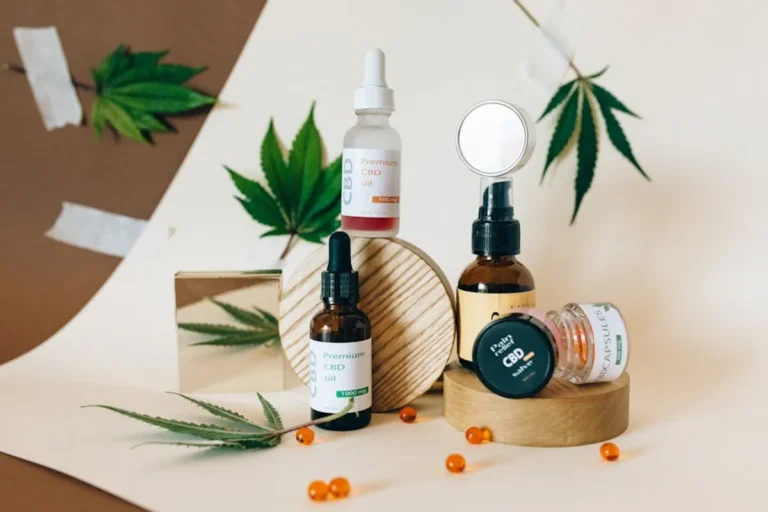
- Tinctures/Oils: Administered sublingually (under the tongue) for relatively fast absorption (15-30 minutes) and sustained effects. This method allows for precise dosage adjustments.
- Capsules/Softgels: Offer a convenient, pre-measured dose but have a slower onset (45-90 minutes) as they must pass through the digestive system. Effects may last longer.
- Edibles (e.g., Gummies): Similar to capsules in onset and duration, edibles offer a palatable option but can be harder to dose precisely.
Making an Informed Choice for Restful Sleep
Choosing a CBD product for sleep requires diligence, but focusing on verifiable product attributes and transparent brand practices simplifies the process. Prioritize products with comprehensive cannabinoid and terpene profiles, supported by recent, third-party lab reports that confirm potency and purity. Pay attention to extraction methods and ingredient sourcing. By systematically evaluating these factors, consumers can navigate the market effectively, selecting products that offer a genuine opportunity to support sleep without succumbing to marketing hyperbole.
Frequently Asked Questions
What's the difference between full-spectrum and isolate CBD for sleep?
Full-spectrum CBD contains a wide range of cannabinoids, including trace THC, and terpenes, which may create an "entourage effect" enhancing sleep benefits. CBD isolate is pure CBD without other compounds, and while it can be effective, it lacks this synergistic interaction, potentially offering a less comprehensive effect for sleep.
How long does CBD take to work for sleep?
The onset time varies significantly based on the delivery method. Sublingual tinctures typically take 15-30 minutes to show effects, while edibles and capsules, which must be digested, can take 45-90 minutes. Topical applications are generally not recommended for systemic sleep support.
Can I take CBD with other sleep aids?
While CBD is generally well-tolerated, it's crucial to consult with a healthcare professional before combining it with other sleep aids, especially prescription medications. CBD can interact with certain drugs, potentially altering their efficacy or increasing side effects. Always prioritize professional medical advice.
Does a higher CBD potency always mean better sleep?
Not necessarily. While potency is a factor, the optimal dosage for sleep is highly individual. Some individuals find lower doses effective, while others require higher amounts. The presence of specific terpenes and other cannabinoids in full- or broad-spectrum products can also influence efficacy more than raw CBD potency alone. Starting with a lower dose and gradually increasing is the recommended approach.