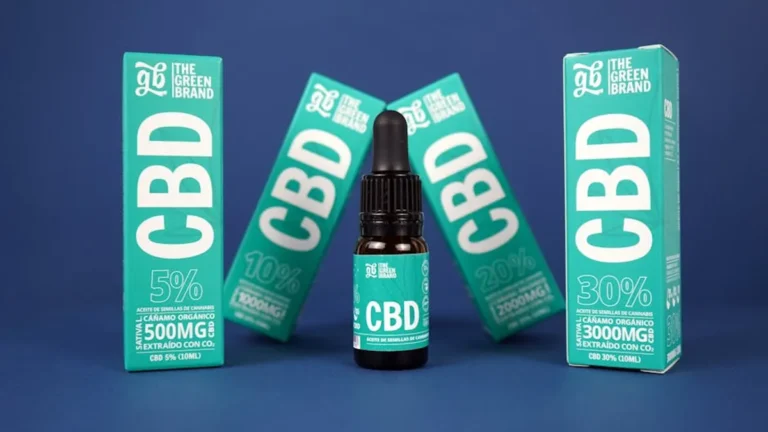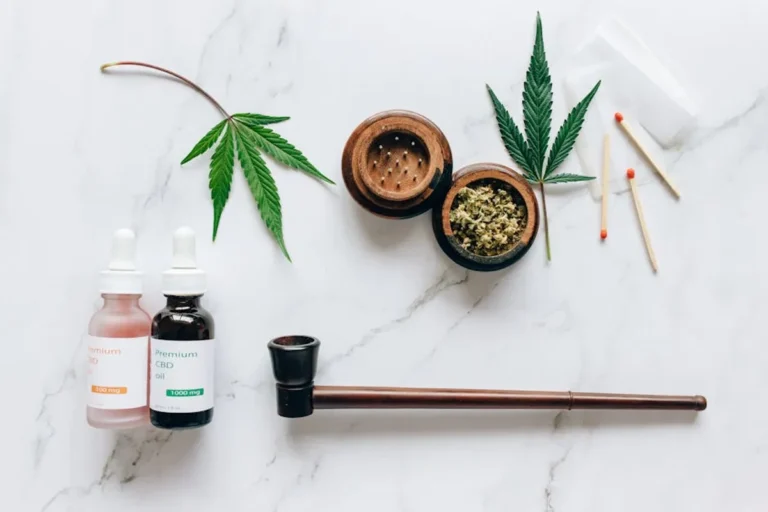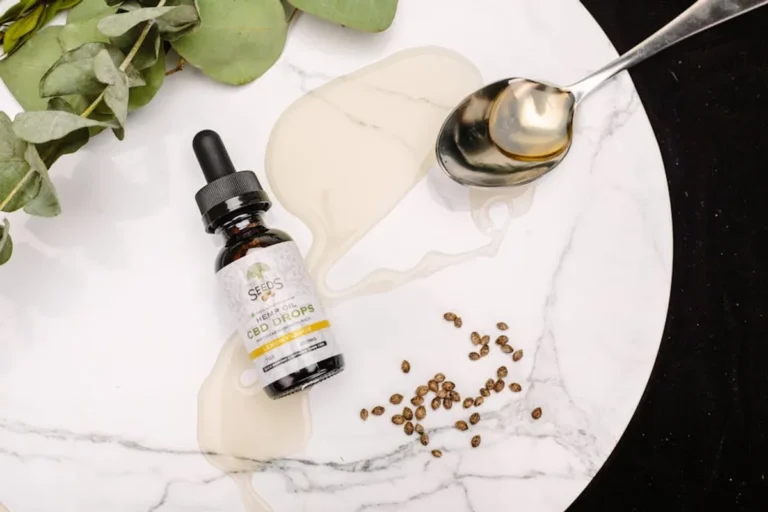
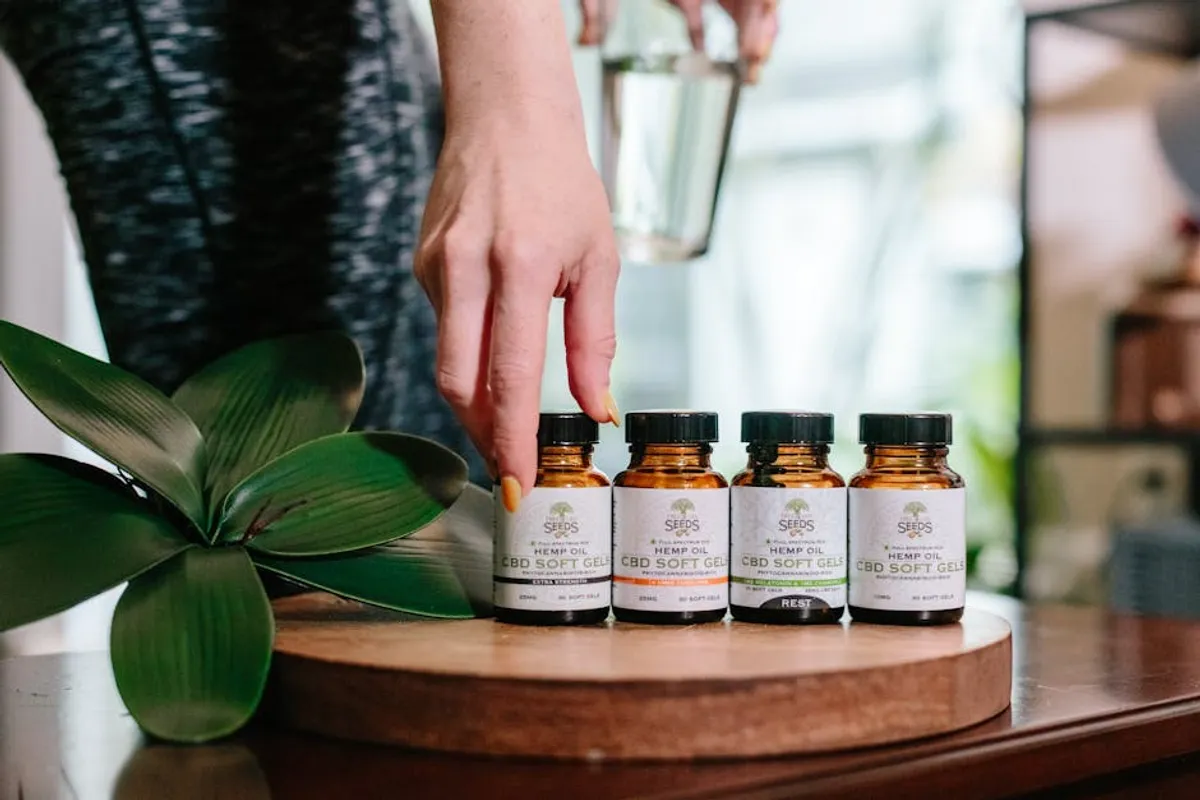
Hemp oil has transitioned from a niche health-store find to a foundational element of modern wellness protocols. This shift is driven by a deeper understanding of the endocannabinoid system (ECS) and the specific role phytocannabinoids play in maintaining systemic homeostasis. Unlike pharmaceutical interventions that often target isolated symptoms, hemp oil functions as a multi-system regulator, influencing everything from sleep architecture to inflammatory response. For those managing high-stress careers or rigorous physical training, the utility of hemp oil lies in its ability to buffer the body against the physiological wear of chronic cortisol elevation.
The Physiological Mechanism of Homeostasis
To understand why hemp oil is effective, one must look at the Endocannabinoid System (ECS). This complex cell-signaling network exists in all mammals and regulates critical functions including mood, appetite, sleep, and immune response. Hemp oil contains cannabinoids—primarily CBD—that interact with CB1 and CB2 receptors. While CB1 receptors are concentrated in the central nervous system, CB2 receptors are prevalent in the peripheral nervous system and immune cells.
Best for: Individuals seeking to stabilize mood swings or manage the physical manifestations of stress without the psychoactive effects associated with THC.
By supporting the ECS, hemp oil helps the body return to a state of balance after being pushed by external stressors. This is not a "high" but rather a "leveling out." When the ECS is functioning optimally, the body is better equipped to manage the inflammatory cytokines that lead to joint pain and cognitive fatigue.
Nutritional Density and Cardiovascular Support
Beyond cannabinoids, high-quality hemp oil is a dense source of essential fatty acids (EFAs). It maintains a 3:1 ratio of Omega-6 to Omega-3 fatty acids, which is considered the "gold standard" for human health. This specific ratio is vital because modern diets are often heavily skewed toward Omega-6, which can promote systemic inflammation if not balanced by Omega-3s.
- Alpha-Linolenic Acid (ALA): An essential Omega-3 that supports heart health and reduces the risk of cardiovascular disease.
- Gamma-Linolenic Acid (GLA): An Omega-6 derivative known for its role in hormone regulation and reducing skin inflammation.
- Stearidonic Acid (SDA): A rare fatty acid that the body converts more efficiently into EPA than ALA alone.
Integrating hemp oil into a daily routine provides the building blocks for healthy cell membranes. This is particularly relevant for skin health; the lipids in hemp oil mimic the skin's natural sebum, making it an effective internal treatment for conditions like eczema or chronic dryness.
Warning: Always distinguish between "Hemp Seed Oil" and "Hemp Extract" (CBD Oil). Hemp seed oil is a nutritional powerhouse rich in fatty acids but contains negligible amounts of cannabinoids. If your goal is stress management or pain relief, ensure the product label specifies "Full Spectrum" or "Broad Spectrum" hemp extract.
Cognitive Maintenance and Neuroprotection
The neuroprotective properties of hemp oil are a primary reason for its inclusion in "biohacking" and cognitive performance stacks. Research suggests that cannabinoids can help modulate glutamate levels—the brain's primary excitatory neurotransmitter. Excessive glutamate can lead to excitotoxicity, which damages neurons and contributes to "brain fog."
Hemp oil acts as a mild antioxidant that crosses the blood-brain barrier. By reducing oxidative stress within the brain, it supports long-term cognitive health and immediate mental clarity. Users often report a "sharpening" of focus, which is likely the result of reduced background anxiety rather than a direct stimulant effect.
Strategic Integration: Timing and Bioavailability
The efficacy of hemp oil is heavily dependent on how and when it is consumed. Because cannabinoids are lipophilic (fat-soluble), taking hemp oil on an empty stomach often results in poor absorption. To maximize the metabolic uptake, it should be paired with a healthy fat source. Following proper hemp oil dosage guidelines can significantly enhance its efficacy.
Morning Protocol: Integrating hemp oil into a morning routine—perhaps alongside a breakfast containing eggs or avocado—can help mitigate the "cortisol spike" that occurs upon waking. This sets a calm baseline for the day without inducing lethargy.
Evening Protocol: For those using hemp oil to improve sleep quality, administration should occur 30 to 60 minutes before bed. In this context, the oil helps lower the heart rate and calm the nervous system, making the transition into REM sleep more efficient.
Optimizing Bioavailability
To get the most out of every drop, consider these practical application tips:
- Sublingual Administration: Hold the oil under the tongue for 60-90 seconds. This allows the compounds to enter the bloodstream directly through the mucous membranes, bypassing the "first-pass metabolism" of the liver.
- Lipid Pairing: If adding hemp oil to food, ensure the meal contains MCT oil, butter, or nuts to facilitate transport across the intestinal wall.
- Consistency over Quantity: The ECS responds better to consistent, daily micro-dosing than to occasional large doses. It takes time for the body to upregulate its receptor sensitivity.
Evaluating Extraction Methods and Purity
Not all hemp oils are created equal. The method of extraction significantly impacts the final terpene profile and the absence of contaminants. CO2 extraction is the industry benchmark; it uses pressurized carbon dioxide to pull the oils from the plant material without leaving behind toxic solvent residues like butane or hexane.
When selecting a product for a daily routine, the presence of a Certificate of Analysis (COA) is non-negotiable. A COA proves that the product has been third-party tested for potency, heavy metals, and pesticides. In a market that is still maturing, these documents are the only way to verify that the "1000mg" on the label is actually present in the bottle.
Building Your 30-Day Hemp Oil Protocol
To see real-world results, commit to a structured 30-day trial. Start with a low dose—typically 10mg to 15mg of CBD—and maintain this for five days. Observe your "baseline" stress levels and sleep quality. If the effects are negligible, increase the dosage by 5mg every few days. This process, known as titration, allows you to find your "sweet spot" without wasting product. Documenting your response in a simple log can help identify subtle improvements in recovery times and mental endurance that might otherwise go unnoticed.
Frequently Asked Questions
Will hemp oil show up on a drug test?
Full-spectrum hemp oil contains trace amounts of THC (less than 0.3%). While unlikely to cause a positive result at standard doses, those subject to strict testing should opt for "Broad Spectrum" or "Isolate" products, which have the THC filtered out entirely.
How should I store hemp oil to prevent rancidity?
Hemp oil is sensitive to light and heat. Store your bottle in a cool, dark place—like a pantry or refrigerator—to preserve the integrity of the fatty acids and cannabinoids. Most high-quality oils have a shelf life of 12 to 18 months if stored correctly.
Can I cook with hemp oil?
Hemp seed oil has a low smoke point (around 330°F). Heating it too high will destroy the delicate Omega fatty acids and produce a bitter taste. It is best used as a finishing oil, drizzled over salads, or blended into smoothies rather than used for frying or sautéing.
Is there a difference between organic and non-organic hemp oil?
Yes. Hemp is a bioaccumulator, meaning it absorbs toxins, heavy metals, and chemicals from the soil very efficiently. Choosing certified organic hemp ensures that the plant hasn't pulled harmful pesticides or synthetic fertilizers into the oil you are consuming.