Determining the correct daily hemp oil dosage is the most significant hurdle for new users. Unlike pharmaceutical products with standardized, weight-based prescriptions, hemp oil efficacy depends on a complex interplay of individual biochemistry, product concentration, and delivery methods. Overestimating your needs leads to unnecessary product waste and increased costs, while underestimating results in a perceived lack of efficacy. This guide provides a technical framework for establishing a baseline and refining your intake through systematic titration.
The Fundamental Math of Hemp Oil Concentration
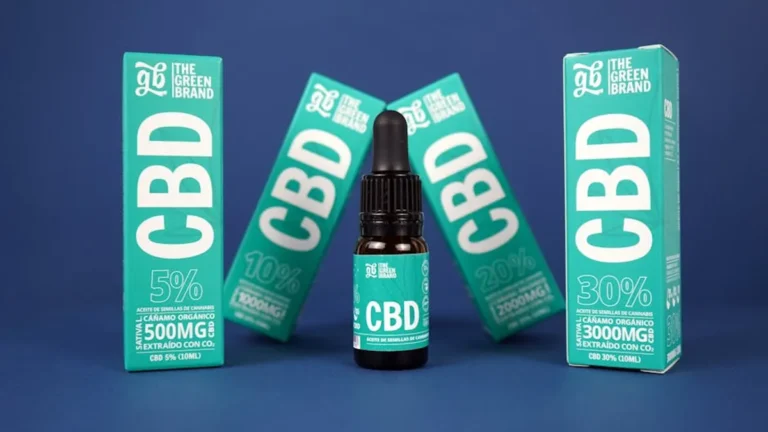
Before calculating a dose, you must understand the difference between the total volume of the bottle and the concentration of active hemp extract. Commercial hemp oils are typically sold in 30ml (1 oz) bottles, but the total milligram (mg) count can range from 300mg to over 5,000mg. To find your dose, you must calculate the milligrams per milliliter (mg/ml).
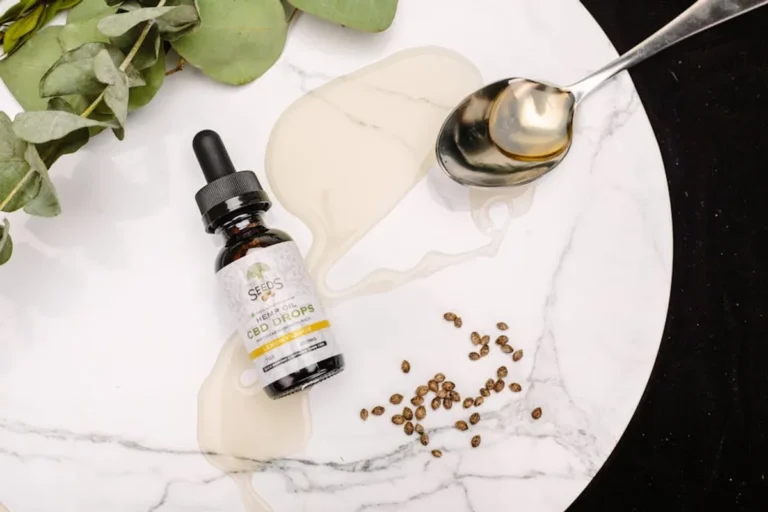
For example, a 30ml bottle containing 1,500mg of hemp extract provides 50mg per full dropper (1ml). If your target dose is 25mg, you only require half a dropper. Beginners frequently make the mistake of measuring by "drops" or "droppersful" without calculating the underlying potency, leading to inconsistent results and erratic blood-plasma levels.
Decoding the Certificate of Analysis (COA)
A reputable product will provide a third-party lab report or COA. This document is essential for dosage accuracy because it confirms the actual cannabinoid profile. If a label says 50mg per serving but the COA shows 42mg, you must adjust your intake to reach your desired therapeutic threshold. Relying solely on the marketing copy on the box often results in a 10-15% variance in actual consumption.
Bioavailability and Delivery Methods
The method of consumption dictates how much hemp oil actually reaches your systemic circulation, a concept known as bioavailability. This variable is why a 20mg dose of an edible is not equivalent to a 20mg dose taken sublingually.
- Sublingual Tinctures: By holding the oil under the tongue for 60 to 90 seconds, the extract enters the bloodstream via the mucous membranes. This bypasses the digestive system, offering a bioavailability rate of approximately 13% to 19%.
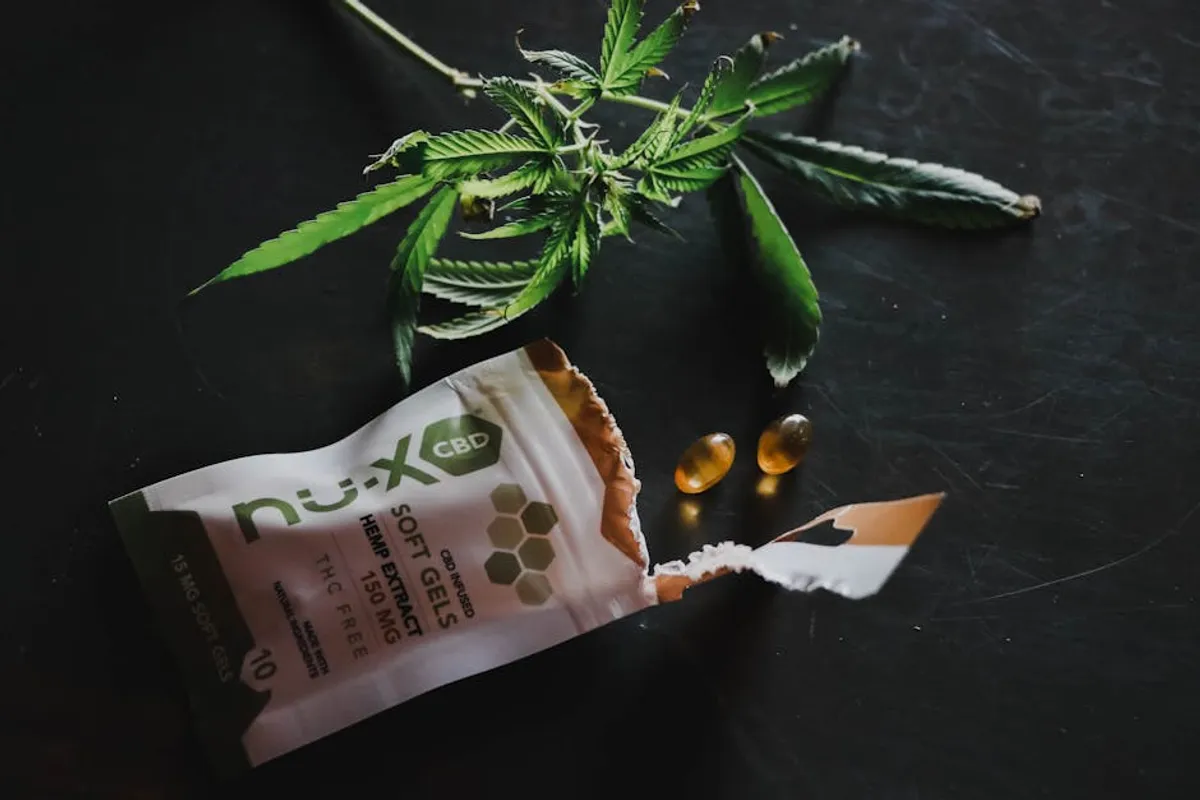
- Ingestion (Capsules and Edibles): When swallowed, the oil must pass through the digestive tract and the liver (first-pass metabolism). This process significantly degrades the compounds, often leaving only 6% to 10% of the original dose available for use.
- Vaporization: While providing the highest bioavailability (up to 35% or higher), the effects are short-lived, making it less ideal for maintaining a consistent daily baseline.
Warning: Consuming hemp oil alongside a high-fat meal can increase the absorption rate of certain compounds by up to four times. If you switch from taking your oil on an empty stomach to taking it with dinner, you may experience a much stronger effect from the same dosage.
The Step-by-Step Titration Protocol
The most effective way to find your "sweet spot" is through a process called titration. This involves starting at a sub-therapeutic dose and incrementally increasing it until the desired effects are achieved without side effects.
Phase 1: The Starting Baseline
For a beginner, a standard starting point is 1mg to 5mg of hemp extract for every 10 pounds of body weight. However, to be conservative, most professionals recommend starting with a flat dose of 10mg to 15mg per day, regardless of weight. Maintain this exact dose for at least three to five days. Hemp compounds are fat-soluble and can accumulate in the body; taking a single dose and expecting immediate results is a common tactical error.
Phase 2: Incremental Adjustments
If the baseline dose does not produce the desired results after five days, increase the daily total by 5mg. Continue this 5mg increase every three to five days. It is helpful to split the dose—taking half in the morning and half in the evening—to maintain more stable levels in the body throughout a 24-hour cycle.
Phase 3: Identifying the Ceiling
The goal is to find the lowest effective dose. If you reach a point where increasing the dose does not improve results, or if you begin to feel slight lethargy or dry mouth, you have likely passed your therapeutic window. At this point, scale back to the previous increment. This "reverse titration" ensures you are not wasting product on a dosage that provides diminishing returns.
Biological Factors Influencing Your Dosage
Two people of the same weight may require vastly different doses due to internal biological factors. Understanding these variables helps manage expectations during the first few weeks of use.
Metabolic Rate and Body Composition
Individuals with higher metabolic rates process hemp compounds more quickly, potentially requiring more frequent dosing. Furthermore, because hemp extracts are lipophilic (fat-seeking), individuals with higher body fat percentages may find that the compounds stay in their system longer but take longer to reach effective concentrations in the bloodstream.
The Endocannabinoid Tone
Every human has an endocannabinoid system (ECS), a regulatory network of receptors. Some individuals have a "low endocannabinoid tone," meaning their body produces fewer internal cannabinoids or has fewer receptors. These individuals often require higher doses of supplemental hemp oil to feel the same effects as someone with a more active ECS.
Drug Interactions and the CYP450 Enzyme
Hemp oil is processed in the liver by the cytochrome P450 enzyme system. This is the same pathway used by many prescription medications, including blood thinners and certain heart medications. If you are taking medications that carry a "grapefruit warning," hemp oil may interfere with how your body metabolizes those drugs, effectively increasing the concentration of the medication in your blood. Always consult a healthcare professional if you are on a maintenance medication regimen.
Establishing a Consistent Daily Regimen
Consistency is more important than the specific time of day. To accurately judge the effectiveness of your dosage, you must remove as many variables as possible. Use the same product, at the same time, under the same dietary conditions for the duration of your titration period. Most users find that a "loading phase" of two weeks is necessary before the full benefits of a daily hemp oil routine become apparent. If you switch brands, you must restart the titration process, as the terpene profiles and minor cannabinoid ratios vary significantly between manufacturers, even if the primary mg count remains the same.
Frequently Asked Questions
Can I overdose on hemp oil?
Toxicological studies suggest that hemp-derived extracts have a high safety profile even at very high doses (up to 1,500mg per day). However, excessive doses are likely to cause side effects such as drowsiness, diarrhea, or changes in appetite rather than any life-threatening toxicity.
How long does it take for a dose to kick in?
Sublingual administration typically takes 15 to 45 minutes to enter the system. Ingested oils (capsules) can take anywhere from 60 to 120 minutes depending on your recent food intake and gastric motility.
Does the "Full Spectrum" label change the dosage?
Yes. Full-spectrum oils contain a variety of secondary cannabinoids and terpenes that work synergistically (the entourage effect). Many users find they need a lower milligram dose of full-spectrum oil compared to a "Hemp Isolate" product, which contains only the primary extract without the supporting compounds. Full-spectrum oils may be particularly beneficial for hemp oil for women over certain ages.
Should I take hemp oil on an empty stomach?
While an empty stomach leads to faster absorption, it also leads to lower overall absorption. Taking hemp oil with a meal containing healthy fats (like avocado, nuts, or eggs) is the most commercially efficient way to use the product, as it maximizes the total amount of extract that reaches your bloodstream.