Expectant mothers frequently turn to hemp-derived products to manage pregnancy-related discomforts like nausea, inflammation, and insomnia. However, the commercial "hemp oil" category is notoriously fragmented, often blurring the lines between culinary hemp seed oil and therapeutic hemp extracts containing CBD. For a consumer or a retailer in the hemp space, understanding the safety profile of these substances is not just a matter of wellness, but of regulatory compliance and risk management.
Distinguishing Between Hemp Seed Oil and CBD Oil
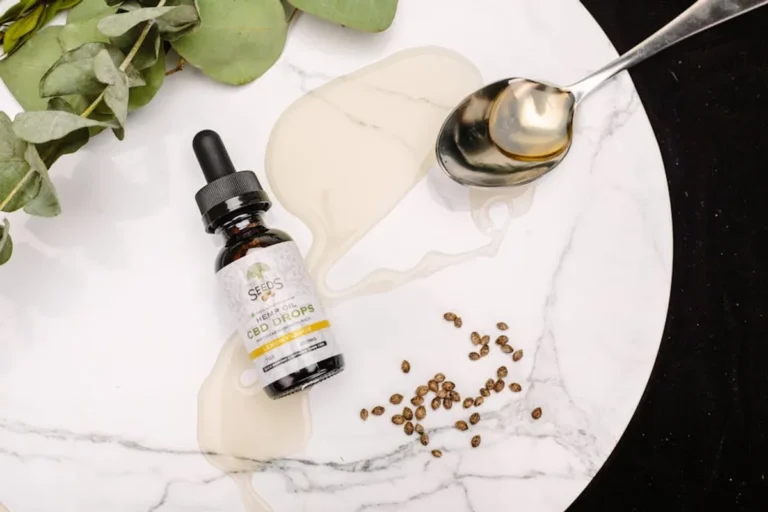
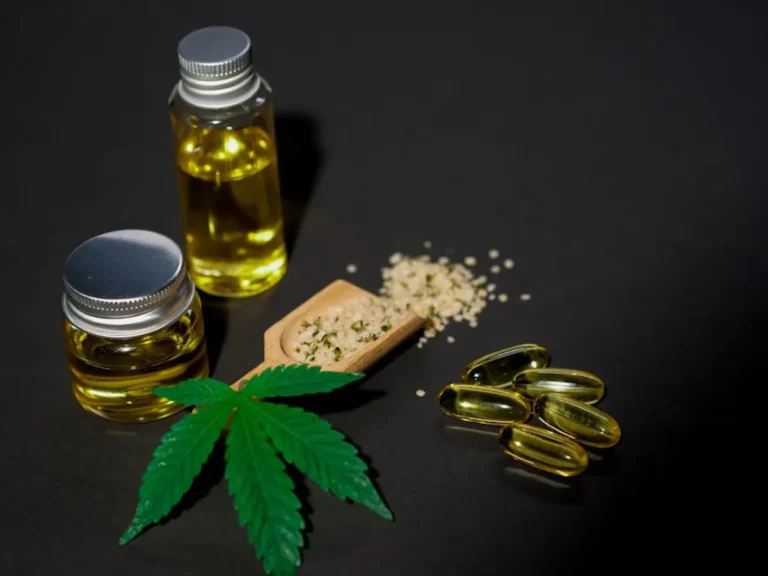
The safety of hemp oil during pregnancy depends entirely on which part of the Cannabis sativa plant the oil is derived from. Hemp seed oil is extracted by cold-pressing the seeds of the plant. These seeds do not naturally contain tetrahydrocannabinol (THC) or cannabidiol (CBD). Consequently, hemp seed oil is classified by the FDA as "Generally Recognized as Safe" (GRAS). It is primarily valued for its nutritional profile, specifically its 3:1 ratio of omega-6 to omega-3 essential fatty acids. Hemp seed oil is particularly valued for its omega 3 benefits for women during pregnancy.
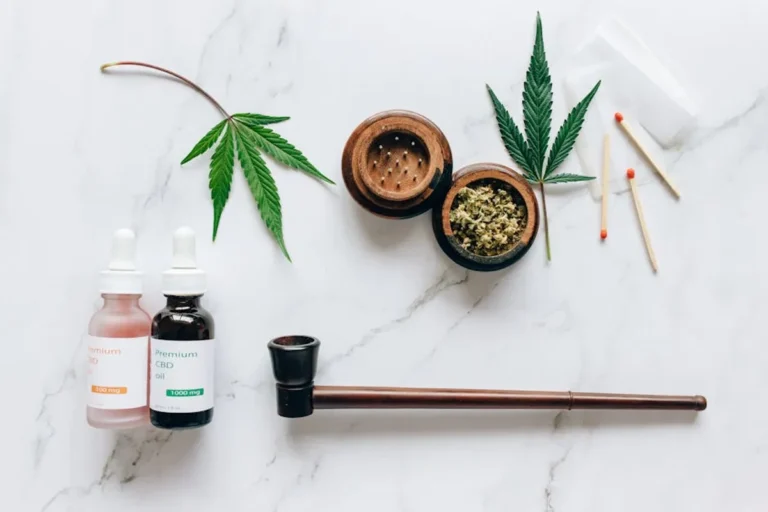
In contrast, "hemp oil" is often used as a marketing shorthand for hemp extract or CBD oil, which is derived from the flowers, leaves, and stalks of the plant. These extracts contain active cannabinoids that interact with the endocannabinoid system (ECS). While the ECS plays a critical role in fetal development and placental health, the introduction of external cannabinoids during pregnancy remains a subject of significant clinical caution.
The FDA Position and Clinical Warnings
The U.S. Food and Drug Administration (FDA) maintains a firm stance against the use of CBD, THC, and hemp extracts during pregnancy and breastfeeding. Their 2019 advisory remains the benchmark for the industry, citing a lack of comprehensive human trials. While animal studies have suggested that high doses of CBD can affect the reproductive system of developing male fetuses, human data is largely observational and often confounded by the presence of other substances.
For publishers and marketers, it is essential to communicate that "natural" does not equate to "unregulated" or "risk-free." The primary concern for medical professionals is the ability of cannabinoids to cross the placental barrier. Once across, these compounds may interfere with the endogenous signaling required for brain development and the establishment of neural pathways.
Potential Risks of Cannabinoid Exposure
Beyond the direct physiological effects of CBD or THC, the commercial hemp market presents secondary risks related to product purity. Because the hemp industry lacks the stringent oversight applied to pharmaceutical-grade products, the risk of contamination is a measurable factor in pregnancy safety. Potential hazards include:
- Heavy Metal Accumulation: Hemp is a bioaccumulator, meaning it absorbs toxins like lead, arsenic, and cadmium from the soil. These metals are neurotoxic to a developing fetus.
- Pesticide Residue: Non-organic hemp may contain synthetic pesticides that disrupt endocrine function.
- THC Cross-Contamination: Even "THC-free" broad-spectrum oils can contain trace amounts of THC due to extraction inefficiencies. In a pregnancy context, there is no established "safe" threshold for THC.
- Synthetic Adulterants: Some low-tier products may contain synthetic cannabinoids or thinning agents like vitamin E acetate.
Warning: "Full-spectrum" hemp products are specifically designed to include a legal limit of up to 0.3% THC. While this amount is negligible for most adults, cumulative use during pregnancy can lead to detectable levels of THC in the bloodstream, which may impact fetal birth weight and cognitive development.
The Safety Profile of Topical Hemp Products
Many pregnant women use hemp-infused topicals to treat stretch marks or localized joint pain. Theoretically, topical application results in minimal systemic absorption, as the cannabinoids typically do not reach the bloodstream through the skin's dermal layers. However, many topical formulations include transdermal enhancers or high concentrations of essential oils that may not be recommended during the first trimester. If a hemp oil is purely seed-based and used topically, the risk profile is significantly lower than oral ingestion.
Evaluating Certificates of Analysis (COAs)
For any professional recommending or selling hemp oil, the Certificate of Analysis (COA) is the only objective proof of safety. A COA from an ISO-certified third-party laboratory should be scrutinized for more than just cannabinoid content. During pregnancy, the "Safety" section of the report—covering microbials, mycotoxins, and heavy metals—is the most critical data point. If a brand cannot provide a batch-specific COA that shows "ND" (None Detected) for contaminants, the product should be considered unsuitable for use during pregnancy.
Nutritional Benefits of Hemp Seed Oil
While CBD-rich hemp extracts are generally avoided, culinary hemp seed oil can be a beneficial addition to a pregnancy diet when used as a food product. It provides gamma-linolenic acid (GLA), which supports hormonal balance, and alpha-linolenic acid, which is vital for the development of the fetal retina and brain. Because it is a food-grade product with no cannabinoid load, it does not carry the same developmental warnings as hemp extracts.
Navigating the Decision-Making Process
The decision to use hemp products during pregnancy should never be made based on anecdotal evidence or influencer marketing. The lack of longitudinal human studies means that the "safety" of hemp extracts is currently an unknown variable. For site owners and marketers, providing transparent, science-backed information is the best way to build trust while protecting the consumer.
Immediate Actions for Expectant Mothers:
1. Consult an OB-GYN: Always disclose the use of any hemp-derived supplement, as it may interact with prenatal vitamins or other medications.
2. Switch to Seed Oil: If the goal is nutritional support, opt for certified organic hemp seed oil rather than CBD oil.
3. Verify the Source: Ensure any product used is sourced from domestic, organic hemp to minimize the risk of heavy metal exposure.
4. Monitor for Reactions: Pregnancy changes the immune system; even previously safe topical oils can cause new sensitivities or dermatitis. Always consult an OB-GYN before using hemp oil for women's health and nutrition during pregnancy.
FAQ
Can I use hemp oil for morning sickness?
While hemp seed oil is safe as a food, there is no clinical evidence that it treats morning sickness. Hemp extracts (CBD) are often marketed for nausea, but due to the lack of safety data and FDA warnings, they are not recommended for managing pregnancy-related emesis.
Does hemp oil show up on a drug test during pregnancy?
Hemp seed oil will not cause a positive drug test. However, full-spectrum hemp extracts or CBD oils can contain trace THC that may accumulate in the body, potentially leading to a positive screening, which can have significant legal and medical implications during prenatal care.
Is it safe to use hemp oil while breastfeeding?
The FDA and CDC advise against using CBD or THC while breastfeeding. Cannabinoids are lipophilic (fat-seeking) and are known to concentrate in breast milk, which can then be ingested by the infant, potentially affecting their developing nervous system.
What is the difference between "Hemp Oil" and "Hemp Seed Oil" on a label?
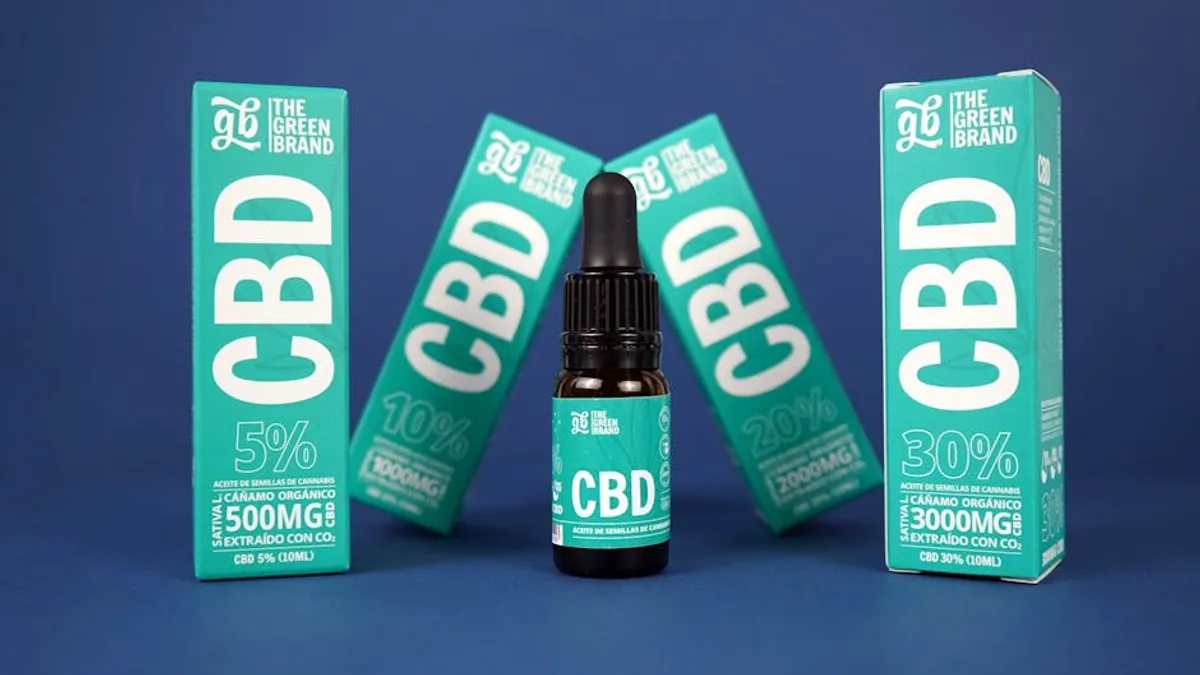
"Hemp Seed Oil" specifically refers to the oil from the seeds (nutritional). "Hemp Oil" is a generic term that could mean either seed oil or CBD oil. Always check the ingredient list for "Cannabidiol" or "Hemp Extract" to identify if the product contains cannabinoids.