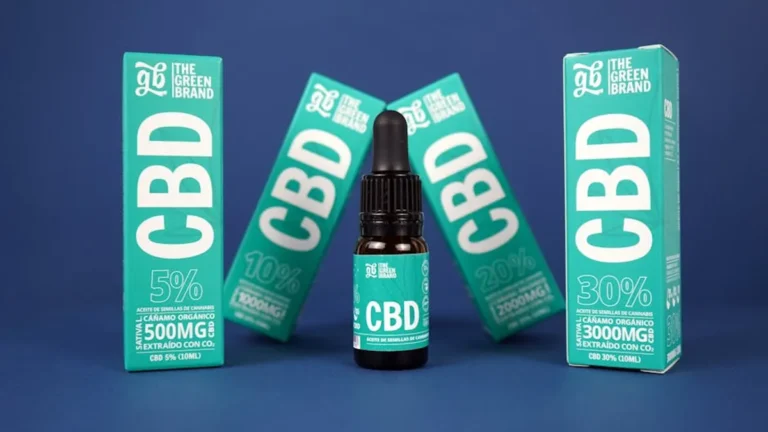

The human gastrointestinal tract is more than a digestive organ; it is a complex signaling hub where the nervous system, immune system, and microbiome intersect. For those managing chronic bloating, irregular motility, or inflammatory responses, hemp-derived oils offer a targeted physiological intervention. Unlike generic supplements, high-quality hemp oil interacts directly with the endocannabinoid system (ECS), which maintains homeostasis within the gut lining. Establishing a gut-friendly routine requires understanding the distinction between nutritional hemp seed oil and therapeutic hemp extracts, as well as the precise timing necessary to optimize bioavailability.
The Biological Link Between Cannabinoids and Gut Homeostasis
The gut contains a high concentration of CB1 and CB2 receptors. These receptors regulate critical functions including gastric secretion, visceral sensation, and intestinal inflammation. When hemp oil—specifically full-spectrum extracts containing cannabinoids like CBD and CBG—is introduced, it modulates these receptors to potentially reduce "leaky gut" symptoms by strengthening epithelial tight junctions. This prevents undigested food particles and pathogens from entering the bloodstream, a primary driver of systemic inflammation. Establishing a gut-friendly routine also involves considering safety during pregnancy and hemp oil interactions.
Best for: Individuals with stress-induced digestive issues or those looking to support the mucosal lining of the gut.
Nutritional Hemp Seed Oil vs. Therapeutic Hemp Extract
A common mistake in routine building is conflating hemp seed oil with hemp extract. While both are derived from the Cannabis sativa plant, their chemical profiles serve different digestive purposes. Hemp seed oil is a cold-pressed lipid rich in essential fatty acids but contains negligible cannabinoids. Conversely, hemp extract (often labeled as CBD oil) is derived from the flowers and leaves and is concentrated with active compounds that interact with the ECS.
- Hemp Seed Oil: High in Gamma-Linolenic Acid (GLA) and a perfect 3:1 ratio of Omega-6 to Omega-3. Use this as a nutritional base to reduce intestinal inflammation.
- Full-Spectrum Hemp Extract: Contains CBD, CBC, and terpenes like Myrcene and Caryophyllene. Use this for direct modulation of gut motility and pain signaling.
- Broad-Spectrum Hemp Extract: Similar to full-spectrum but with THC removed. Ideal for those requiring cannabinoid therapy without any trace of psychoactive compounds.
Optimizing Your Daily Hemp Protocol
Consistency is the primary driver of efficacy when using hemp oil for gut health. The ECS responds best to steady, incremental dosing rather than sporadic high-dose usage. To build a functional routine, align your intake with your body’s natural circadian rhythms and digestive cycles.
The Morning Activation Phase
Starting the day with hemp oil can prime the digestive tract for the day's meals. Taking a sublingual dose of full-spectrum hemp extract 20 minutes before breakfast allows the cannabinoids to enter the bloodstream directly, bypassing first-pass metabolism in the liver. This can be particularly effective for those who experience morning nausea or "nervous stomach" symptoms. If using hemp seed oil, adding a tablespoon to a smoothie provides the necessary fats to slow the absorption of sugars, preventing glucose spikes that can irritate the microbiome.
Post-Prandial Support
For individuals prone to post-meal bloating or discomfort, a secondary dose in the early afternoon can assist in regulating intestinal transit time. Terpenes like Limonene, often found in high-quality hemp oils, have demonstrated anti-inflammatory properties in the GI tract. Pairing the oil with a prebiotic fiber source, such as chicory root or acacia, creates a synergistic environment for beneficial bacteria to thrive.
Pro Tip: Always look for hemp oil that uses MCT (Medium-Chain Triglyceride) oil as the carrier. MCTs are easily absorbed by the liver and converted into energy, providing a faster delivery vehicle for cannabinoids while being gentle on a sensitive stomach compared to long-chain fats.
Sourcing Standards and Bioavailability
The efficacy of a gut-friendly routine is entirely dependent on product purity. Because the hemp plant is a bioaccumulator—meaning it absorbs heavy metals and pesticides from the soil—consuming low-grade oil can actually exacerbate gut irritation. A professional-grade hemp oil must be backed by a third-party Certificate of Analysis (COA) that verifies the following:
Potency: Confirmation that the milligram count on the label matches the liquid content.
Purity: Non-detectable levels of heavy metals (lead, arsenic, mercury) and residual solvents from the extraction process.
Terpene Profile: Presence of Beta-Caryophyllene, which acts as a dietary cannabinoid that specifically targets the CB2 receptors in the gut.
The Role of GLA in Intestinal Repair
Gamma-Linolenic Acid (GLA) is a rare fatty acid found in hemp oil that plays a vital role in prostaglandin production. Prostaglandins are hormone-like substances that regulate inflammatory responses. For those with compromised gut barriers, GLA acts as a precursor to anti-inflammatory molecules, helping to soothe the lining of the small intestine. This makes hemp oil a superior choice over standard fish oils, which lack GLA, for those specifically targeting digestive recovery.
Implementing Your Hemp Oil Strategy
To see measurable results in gut health, follow a structured 30-day implementation plan. Begin with a low dose (approximately 10-15mg of cannabinoids) and monitor for changes in bloating and bowel regularity. Gradually increase the dosage every five days until you reach your "sweet spot"—the point where digestive discomfort is minimized without causing lethargy. Keep a log of your meals alongside your hemp oil intake to identify specific synergies between the oil and your diet.
- Choose CO2-extracted oils to ensure no chemical residues remain in the product.
- Store your oil in a cool, dark place; heat and light degrade the delicate fatty acids and cannabinoids, rendering the routine ineffective.
- Prioritize "raw" or "green" hemp oils if you seek higher concentrations of CBDA, the acidic precursor to CBD, which has shown significant promise in reducing nausea.
Frequently Asked Questions
Can hemp oil cause digestive upset?
While rare, some individuals may experience mild diarrhea if they start with a high dose of carrier oil (like MCT or hemp seed oil) too quickly. Start with a small volume to allow your gallbladder and pancreas to adjust to the increased fat intake.
How long does it take to see results for gut health?
Nutritional benefits from fatty acids may take 2 to 4 weeks to manifest as improved skin and digestion. However, the anti-inflammatory effects of cannabinoids on the ECS can often be felt within 30 to 60 minutes of sublingual administration.
Is hemp oil safe to take with probiotic supplements?
Yes. In fact, hemp oil and probiotics are highly complementary. The healthy fats in hemp oil can help protect certain probiotic strains as they pass through the acidic environment of the stomach, potentially increasing their survival rate in the lower intestine.
Does hemp oil contain fiber?
Hemp seed oil and hemp extracts are fats and do not contain fiber. To support the gut microbiome, you should consume the oil alongside fiber-rich foods like hemp hearts (the whole seeds), which provide both insoluble and soluble fiber.