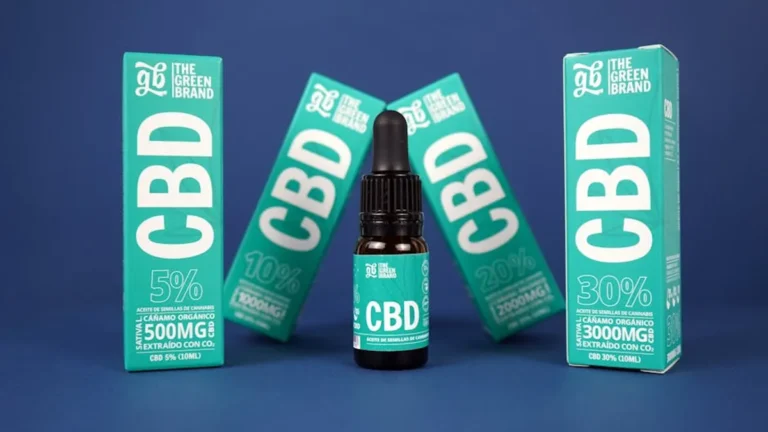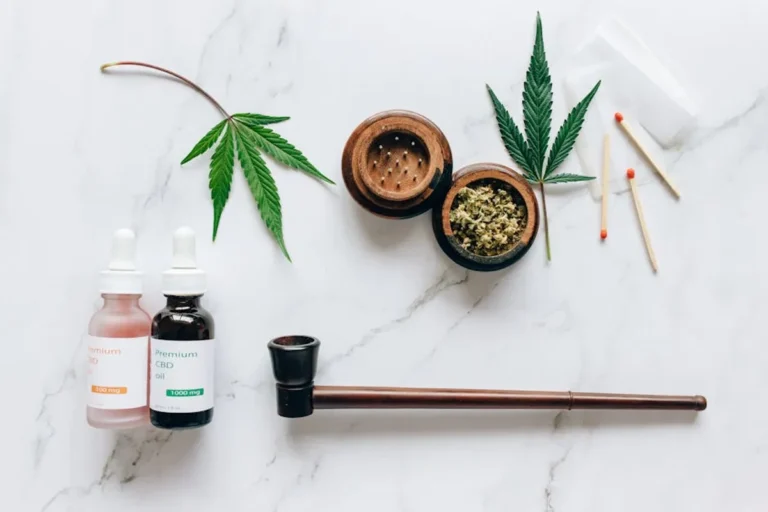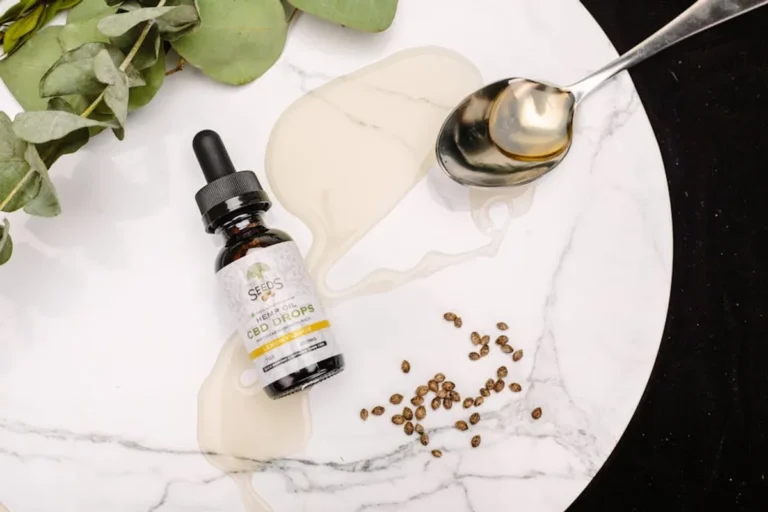
The primary source of consumer confusion in the cannabis market is the intentional blurring of lines between hemp seed oil and CBD oil. While both originate from the Cannabis sativa plant, they are functionally, chemically, and commercially distinct products. Purchasing a 1,000mg bottle of "hemp oil" for $20 might seem like a bargain, but if that oil is derived strictly from seeds, it contains zero cannabinoids. Understanding the precise botanical and extraction differences is the only way to avoid overpaying for what is essentially a culinary ingredient when you intended to buy a therapeutic supplement.
Botanical Sources and Extraction Techniques
The distinction begins with which part of the plant is processed. Hemp seed oil is manufactured by cold-pressing the small seeds of the hemp plant. These seeds contain high concentrations of healthy fats but no tetrahydrocannabinol (THC) or cannabidiol (CBD). The process is mechanically similar to how olive or sunflower oil is produced.
CBD oil, conversely, is extracted from the flowers, leaves, and stalks of the mature hemp plant. These areas contain trichomes—tiny, resinous glands where cannabinoids and terpenes are synthesized. Because CBD cannot be "pressed" out like oil from a seed, it requires sophisticated extraction methods such as supercritical CO2 extraction or ethanol solvent extraction to isolate the active compounds from the plant material.
Chemical Composition and Active Ingredients
The utility of these oils depends entirely on their molecular makeup. Hemp seed oil is prized for its nutritional density, specifically its 3:1 ratio of Omega-6 to Omega-3 fatty acids. It also contains Vitamin E and various minerals, making it a "superfood" rather than a medicinal extract. It does not interact with the human endocannabinoid system (ECS).
CBD oil is defined by its cannabinoid content. Whether it is a full-spectrum extract (containing CBD, minor cannabinoids, and trace THC), broad-spectrum (CBD and minor cannabinoids without THC), or an isolate (99% pure CBD), the goal is to deliver molecules that bind to or influence CB1 and CB2 receptors in the body. This interaction is what drives the reported effects on inflammation, anxiety, and sleep cycles.
- Hemp Seed Oil: High in Gamma-linolenic acid (GLA), amino acids, and antioxidants.
- CBD Oil: High in Cannabidiol, Terpenes (like Myrcene or Limonene), and Flavonoids.
- Carrier Oils: CBD is often suspended in a carrier like MCT oil or hemp seed oil to increase bioavailability; hemp seed oil is usually sold in its raw, unadulterated state.
Warning: Many products sold on major e-commerce platforms like Amazon are labeled as "Hemp Oil" with high milligram counts (e.g., 50,000mg). Because CBD is currently restricted on these platforms, these products are almost always hemp seed oil. You are paying a premium for a product that has the same nutritional value as a bottle of hemp oil from a local grocery store. Beware of hemp oil side effects to watch when purchasing from unverified sellers.
Identifying Deceptive Labeling and Marketing
Marketers frequently use the term "hemp oil" as a catch-all to bypass advertising restrictions or to capitalize on the "halo effect" of CBD's popularity. To determine exactly what you are buying, you must look past the front of the bottle and examine the Ingredient List and the Supplement Facts panel.
Look for these specific terms:
If the label says Cannabis sativa seed oil, it is hemp seed oil. If it says Cannabidiol, Full-spectrum hemp extract, or PCR (phytocannabinoid-rich) hemp extract, it is CBD oil. Another red flag is the pricing structure. The labor-intensive process of growing, harvesting, and extracting CBD from hemp flowers means that legitimate CBD oil rarely retails for less than $0.05 to $0.10 per milligram. If a product claims "10,000mg" for $30, it is mathematically impossible for that to be CBD oil.
Primary Use Cases: Culinary vs. Therapeutic
The decision between these two products should be dictated by your end goal. Hemp seed oil is an excellent addition to a diet. It has a nutty flavor and works well in salad dressings, smoothies, or as a topical moisturizer for skin prone to acne, as it is non-comedogenic. However, it will not provide relief for chronic pain or neurological issues.
CBD oil is used as a supplement for systemic effects. It is typically taken sublingually (under the tongue) to allow the cannabinoids to enter the bloodstream directly, bypassing the digestive system for faster onset. It is not used for cooking, as high heat can degrade the cannabinoids and destroy the therapeutic profile of the oil.
Verification Through Third-Party Lab Reports
The only definitive way to distinguish a high-quality CBD oil from a mislabeled hemp seed oil is the Certificate of Analysis (COA). A COA is a document produced by an independent laboratory that breaks down the exact cannabinoid profile of a product. A legitimate CBD product will have a COA showing the concentration of CBD, THC, and other cannabinoids. If a company cannot provide a COA, or if the COA shows "ND" (None Detected) for cannabinoids, the product is likely just hemp seed oil being sold at an inflated price.
Selecting the Right Product for Your Needs
To ensure you are getting the specific benefits you require, follow these purchasing criteria:
For Nutritional Support: Buy organic, cold-pressed hemp seed oil. Look for dark bottles, as the polyunsaturated fats in hemp seed oil are sensitive to light and heat and can go rancid if not stored properly. It should be relatively inexpensive and available in large volumes (8oz to 16oz).
For Endocannabinoid Support: Buy CBD oil that specifies the "milligrams of CBD" per serving, not just "hemp extract." Ensure the hemp was grown in regulated soil (US or EU) to avoid heavy metal contamination, as the hemp plant is a bioaccumulator that pulls toxins from the earth. Focus on the "price per mg of CBD" to evaluate the true cost of the supplement.
Common Questions Regarding Hemp and CBD Oils
Will hemp seed oil show up on a drug test?
No. Hemp seed oil is derived from seeds that do not contain THC. There is no psychoactive component or metabolite that would trigger a positive result on a standard drug screening.
Can I use CBD oil for cooking like I do with hemp seed oil?
It is not recommended. CBD oil is expensive and its active compounds degrade at high temperatures. If you want to incorporate CBD into food, stir it into finished dishes or dressings after the heating process is complete.
Is "Hemp Extract" the same as CBD?
Usually, yes. "Hemp extract" is often used on labels to refer to the oil pulled from the flowers and leaves. However, because the term is not strictly regulated, you must verify the CBD content on the Supplement Facts panel to be certain it isn't just seed extract.
Why is CBD oil so much more expensive than hemp seed oil?
The cost difference is driven by the low yield of cannabinoids per plant and the expensive equipment required for CO2 extraction and winterization (the process of removing waxes and chlorophyll). Hemp seed oil is a mass-produced agricultural commodity, whereas CBD oil is a refined pharmaceutical-grade extract.