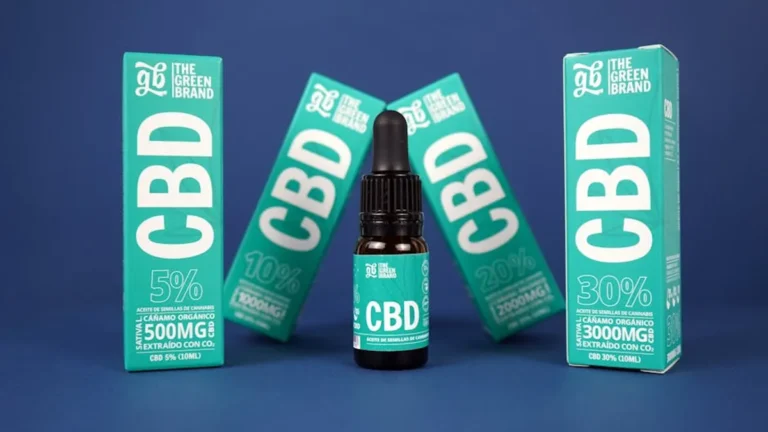
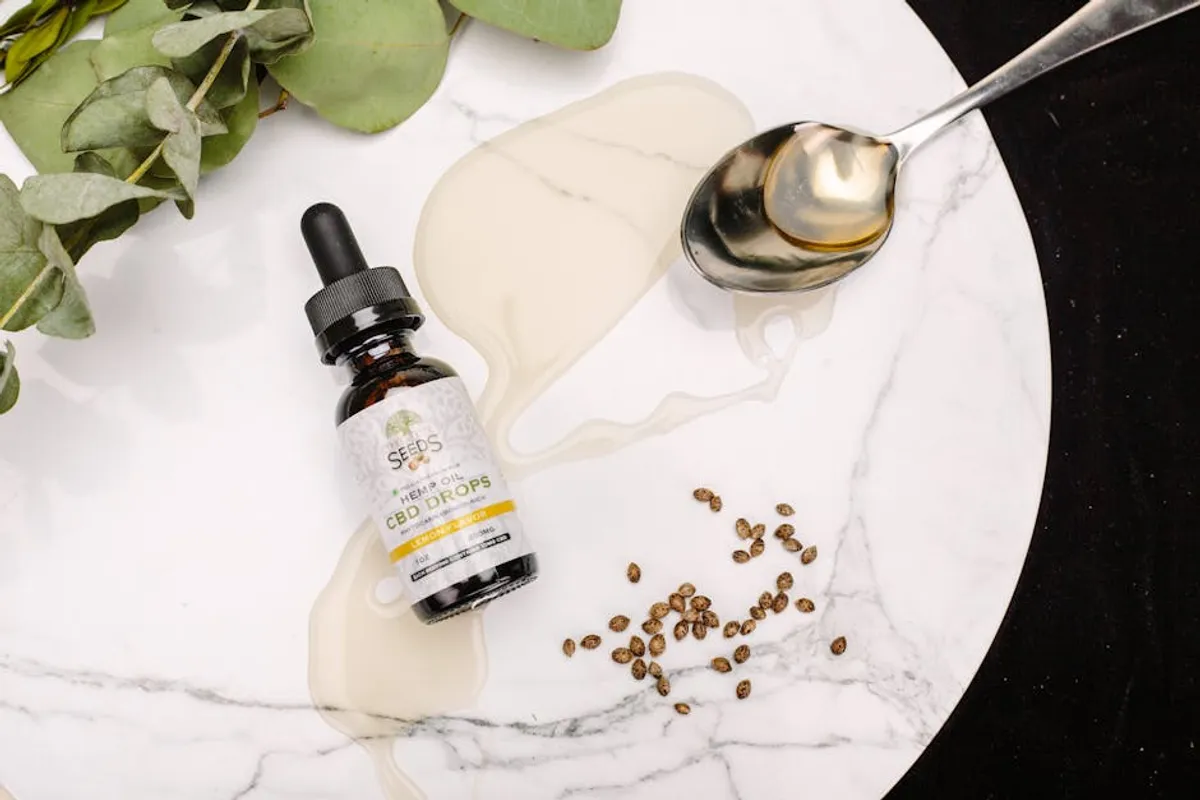
Understanding the side effects of hemp oil requires a sharp distinction between hemp seed oil—a nutrient-dense culinary fat—and full-spectrum hemp oil, which contains cannabinoids like CBD. While the industry often markets these products as universally benign, biological interactions with the liver, digestive tract, and existing medication regimens are documented and significant. For the informed buyer or distributor, recognizing these physiological responses is the only way to ensure product efficacy while minimizing adverse reactions. Understanding these differences between hemp and cbd is crucial for choosing the right product.
The Critical Distinction: Culinary vs. Therapeutic Side Effects
Hemp seed oil is extracted by cold-pressing the seeds of the Cannabis sativa plant. It contains no significant cannabinoids and is used primarily for its 3:1 ratio of Omega-6 to Omega-3 fatty acids. Side effects here are almost exclusively gastrointestinal. Conversely, full-spectrum hemp oil (CBD oil) interacts with the endocannabinoid system, potentially affecting mood, sleep, and blood pressure.
Best for: Users should identify the extraction method before consumption. If the label lists "Hemp Seed Oil," expect lipid-based digestive responses. If it lists "Hemp Extract" or "CBD," prepare for systemic metabolic interactions.
Gastrointestinal Distress and Lipid Malabsorption
The most frequent side effect of high-quality hemp seed oil is diarrhea or abdominal cramping. Because hemp oil is a concentrated fat, sudden introduction of high doses can overwhelm the digestive system's ability to process lipids. This is particularly true for individuals with gallbladder issues or those on low-fat diets.
- Digestive Urgency: Excessive intake acts as a mild laxative, increasing stool frequency.
- Nausea: Often caused by the rich, nutty flavor profile or the oil's viscosity when taken on an empty stomach.
- Throat Irritation: Raw, unrefined hemp oil can leave a slight "burn" or scratchy sensation in the posterior pharynx due to its chlorophyll content.
The "Grapefruit Rule" and CYP450 Enzyme Inhibition
For those using full-spectrum hemp oil, the most serious side effect is not a direct symptom, but a drug interaction. Cannabinoids are metabolized in the liver by the cytochrome P450 (CYP450) enzyme system. This is the same pathway used by many pharmaceutical drugs, including blood thinners, anticonvulsants, and certain antidepressants.
Warning: If a medication carries a "grapefruit warning," it likely interacts with full-spectrum hemp oil. The oil can inhibit the liver's ability to break down these drugs, leading to dangerously high concentrations of the medication in the bloodstream.
Physiological Responses to Cannabinoid Content
While hemp seed oil is inert in this regard, hemp extracts containing CBD can trigger specific systemic responses. These are rarely life-threatening but can significantly impact daily productivity and safety.
Dry Mouth (Xerostomia): Cannabinoids can inhibit the secretion of saliva by interacting with receptors in the submandibular glands. This is not true dehydration, but rather a signaling failure that results in a persistent "cotton-mouth" sensation.
Drowsiness and Sedation: In higher doses, hemp oil acts as a sedative. This is often a desired effect for sleep aid, but when used during the workday, it can impair cognitive function and reaction times. This effect is compounded when combined with other central nervous system depressants like alcohol or benzodiazepines.
Blood Pressure Fluctuations: Full-spectrum hemp oil is known to cause a slight, transient drop in blood pressure immediately after consumption. While beneficial for some, it can cause lightheadedness or syncope (fainting) in individuals already prone to hypotension or those taking antihypertensive medications.
Topical Sensitivity and Dermatological Risks
Hemp oil is a common ingredient in high-end skincare due to its non-comedogenic rating (0 on the scale, meaning it won't clog pores). However, "natural" does not mean "hypoallergenic."
Users with ragweed or grass allergies may experience contact dermatitis when applying unrefined hemp oil. Symptoms include redness, itching, and small hives. This is usually a reaction to residual plant proteins or terpenes rather than the fatty acids themselves. Testing a small patch of skin on the inner forearm for 24 hours is the only reliable way to rule out this sensitivity before widespread application.
The Impact of Sourcing: Heavy Metals and Residual Solvents
Some "side effects" attributed to hemp oil are actually symptoms of contamination. Hemp is a bioaccumulator, meaning it aggressively absorbs toxins from the soil, including lead, mercury, and cadmium. If a product lacks a third-party Certificate of Analysis (COA), the user may be ingesting these contaminants.
Symptoms of Poor Sourcing: - Persistent metallic taste. - Unexplained headaches (often linked to residual solvents like hexane or butane used in low-grade extraction). - Chronic fatigue from low-level heavy metal exposure.
Mitigating Risks and Optimizing Consumption
To minimize the risk of adverse reactions, the introduction of hemp oil must be incremental. Start with a dose of 5ml (one teaspoon) for hemp seed oil or 5-10mg for full-spectrum extracts. Monitor the body’s response for three to five days before increasing the quantity. Taking the oil with food can significantly reduce the likelihood of gastrointestinal upset by slowing the rate of lipid absorption.
Furthermore, transparency in sourcing is non-negotiable. Only purchase oils that provide batch-specific lab results confirming the absence of pesticides, mold, and heavy metals. This eliminates the "hidden" side effects caused by poor manufacturing standards.
Frequently Asked Questions
Can hemp oil cause a failed drug test?
Hemp seed oil is highly unlikely to cause a failure as it contains no THC. However, full-spectrum hemp oil contains trace amounts of THC (up to 0.3%). While this is not enough to cause psychoactive effects, chronic high-dose usage can lead to the accumulation of THC metabolites, potentially triggering a positive result on sensitive screenings.
Does hemp oil thin the blood?
Hemp seed oil is rich in Omega-3 fatty acids, which have mild anticoagulant properties. In standard culinary amounts, this is negligible. However, if you are already taking blood thinners like Warfarin, you should consult a physician, as the cumulative effect could theoretically increase the risk of bruising or bleeding. Women considering hemp oil should research safety during pregnancy and breastfeeding before using it.
Why does hemp oil make me feel lightheaded?
This is typically due to a temporary drop in blood pressure caused by the cannabinoids in full-spectrum oil. It is most common when taking the oil on an empty stomach or when standing up too quickly after a dose. Switching to a smaller dose or taking it with a meal usually resolves the issue.
Is it safe to take hemp oil every day?
For most healthy adults, daily consumption of hemp seed oil is safe and provides essential fatty acids. For full-spectrum oil, daily use is generally well-tolerated, but users should be aware of potential "tolerance creep," where the body becomes accustomed to the cannabinoids, requiring slightly higher doses over time to achieve the same effect.