
Navigating the landscape of hemp-derived products requires a precise understanding of their potential physiological effects, particularly concerning side effects and drug interactions. For consumers, this knowledge is paramount for safe usage. For content creators, marketers, and publishers, accurately conveying this information is critical for establishing authority, trust, and compliance within a rapidly evolving regulatory environment. This article clarifies the fundamental distinctions and considerations surrounding hemp oil, its potential side effects, and its mechanisms of interaction with pharmaceutical drugs.
Distinguishing Hemp Oil and CBD Oil for Interaction Context
The term "hemp oil" is often used broadly, leading to confusion. For a clear understanding of side effects and drug interactions, it is crucial to differentiate between two primary types:
- Hemp Seed Oil: This oil is extracted from the seeds of the hemp plant. It is rich in omega fatty acids, vitamins, and minerals, making it a nutritional supplement often used in food and skincare. Crucially, hemp seed oil contains negligible amounts of cannabinoids, including CBD (cannabidiol) and THC (tetrahydrocannabinol). Consequently, hemp seed oil has no known drug interactions and very few, if any, side effects beyond potential allergic reactions to the seeds themselves.
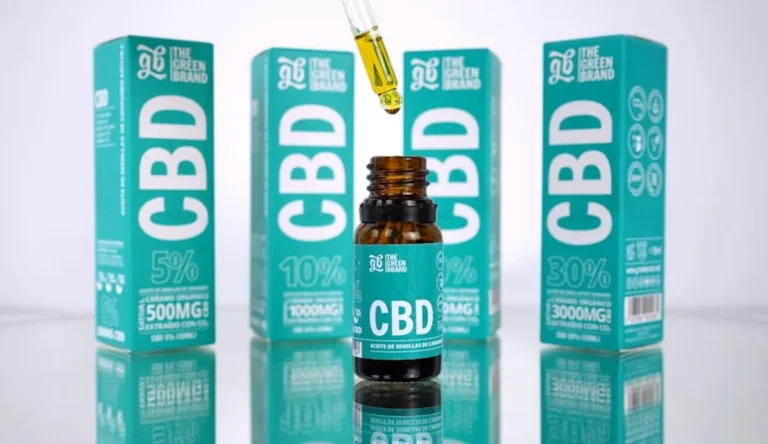
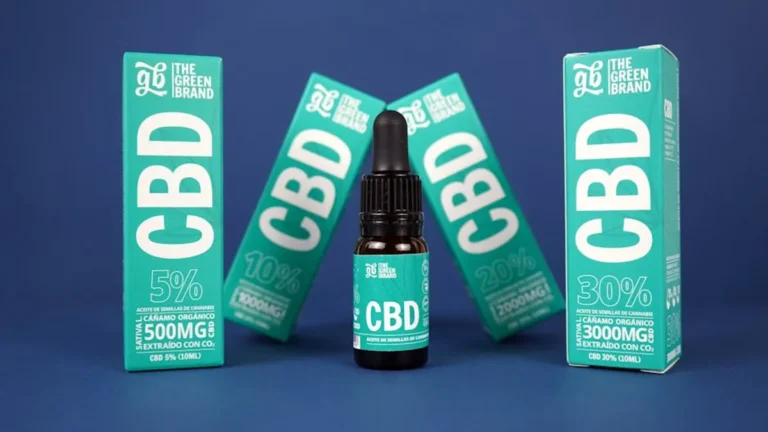
- Hemp Extract Oil (often referred to as CBD Oil): This oil is extracted from the flowers, leaves, and stalks of the hemp plant. It contains significant concentrations of cannabinoids, primarily CBD, and other beneficial compounds like terpenes and flavonoids. It is these cannabinoids, particularly CBD, that are responsible for the therapeutic effects and, more importantly, the potential for drug interactions and side effects. When discussions involve "hemp oil side effects" or "drug interactions," they almost invariably refer to products containing active cannabinoids, i.e., hemp extract oil or CBD oil.
For the remainder of this discussion, "hemp oil" will refer to cannabinoid-rich hemp extract products, given the context of side effects and drug interactions.
Common Side Effects of Cannabinoid-Rich Hemp Products
While generally well-tolerated, cannabinoid-rich hemp products, particularly those high in CBD, can induce a range of side effects. These effects are typically mild and often dose-dependent, meaning they are more likely to occur or be more pronounced at higher dosages.
Commonly reported side effects include:
- Dry Mouth: Often referred to as "cottonmouth," this sensation is due to CBD's interaction with cannabinoid receptors in the salivary glands, which can reduce saliva production.
- Drowsiness or Sedation: Some individuals, especially at higher doses, may experience mild to moderate drowsiness, making it advisable to avoid operating heavy machinery until individual effects are known.
- Digestive Issues: Nausea, diarrhea, or changes in appetite can occur. These symptoms might be related to the carrier oil used in the product (e.g., MCT oil) or individual sensitivity to cannabinoids.
- Changes in Appetite and Weight: While some users report decreased appetite, others may experience an increase. Weight fluctuations can be a secondary effect of altered appetite.
- Fatigue: A general feeling of tiredness or lethargy, distinct from drowsiness, has also been reported.
Individual responses to hemp products vary significantly based on factors such as metabolism, sensitivity, dosage, and the presence of other compounds (e.g., terpenes, minor cannabinoids) in full-spectrum or broad-spectrum formulations.
Hemp Oil and Drug Interactions: The Cytochrome P450 System
The most critical aspect of hemp oil safety, particularly for individuals on prescription medication, involves drug interactions. The primary mechanism for these interactions is CBD's effect on the cytochrome P450 (CYP450) enzyme system in the liver.
How CBD Affects Drug Metabolism
The CYP450 system is a group of enzymes responsible for metabolizing approximately 60% of all pharmaceutical drugs. When CBD is ingested, it can inhibit the activity of several key CYP450 enzymes, particularly CYP3A4 and CYP2D6. This inhibition means that the liver processes other drugs more slowly, leading to higher concentrations of those drugs in the bloodstream than intended. This can increase the risk of side effects or toxicity from the co-administered medications.
Pro Tip for Content Publishers: When discussing hemp oil and drug interactions, always emphasize the "grapefruit effect." Many consumers are familiar with how grapefruit juice can interact with certain medications by inhibiting CYP450 enzymes. Drawing this analogy helps clarify the mechanism of CBD interaction, making complex pharmacological information more accessible and understandable for a general audience.
Key Drug Classes with Potential Interactions
Due to its influence on the CYP450 system, CBD can interact with a wide range of medications. Individuals taking any prescription drugs should exercise caution and consult a healthcare professional before using hemp-derived products. Classes of drugs with known or potential interactions include:
- Blood Thinners (Anticoagulants): Medications like warfarin (Coumadin) are highly sensitive to CYP450 inhibition. CBD can increase warfarin levels, raising the risk of bleeding.
- Antidepressants and Anxiolytics: Certain selective serotonin reuptake inhibitors (SSRIs), tricyclic antidepressants, and benzodiazepines can be affected, potentially leading to increased sedation or other adverse effects.
- Anti-Seizure Medications: Drugs such as clobazam, valproate, and phenobarbital can have their levels altered, necessitating careful monitoring. Epidiolex, a pharmaceutical CBD product, specifically requires monitoring of liver enzymes when co-administered with other anti-seizure drugs.
- Immunosuppressants: Medications like tacrolimus and cyclosporine, often used after organ transplants, are metabolized by CYP450 enzymes, and CBD can increase their concentration, leading to toxicity.
- Heart Medications: Calcium channel blockers, beta-blockers, and antiarrhythmics can be affected, potentially altering heart rate or blood pressure.
- Steroids and Corticosteroids: Drugs like prednisone are metabolized by CYP450 enzymes, and their effects could be potentiated.
- Pain Relievers: Some opioid analgesics and NSAIDs are metabolized by CYP450 enzymes, potentially leading to altered effects or side effects.
This list is not exhaustive. Any medication metabolized by the CYP450 system could potentially interact with CBD.
Factors Influencing Interaction Severity
The extent of side effects and drug interactions is not uniform across all individuals or products. Several factors contribute to the variability:
- Dosage: Higher doses of cannabinoid-rich hemp products are more likely to cause side effects and significant drug interactions. Low doses may have minimal impact.
- Individual Metabolism: Genetic variations in CYP450 enzyme activity mean some individuals metabolize drugs faster or slower, influencing their susceptibility to interactions.
- Product Type and Potency: Full-spectrum products contain a wider array of cannabinoids and terpenes, which might influence the "entourage effect" and potentially alter metabolic pathways compared to CBD isolates. Potency directly relates to the amount of CBD consumed.
- Route of Administration: Orally ingested CBD undergoes first-pass metabolism in the liver, making it more prone to enzyme inhibition than topically applied products or those administered sublingually (which partially bypass first-pass metabolism).
- Duration of Use: Chronic use of CBD may lead to more sustained enzyme inhibition compared to acute, infrequent use.
Responsible Content and Consumer Guidance
For SEO professionals and content strategists creating material around hemp oil, accuracy and responsibility are paramount. Google's E-E-A-T guidelines heavily emphasize expertise, experience, authoritativeness, and trustworthiness, particularly for "Your Money or Your Life" (YMYL) topics like health and finance. Providing clear, disclaimed information on side effects and drug interactions directly contributes to E-E-A-T signals. Providing accurate information about high quality hemp oil ingredients enhances E-E-A-T signals.
Content should:
- Clearly distinguish between hemp seed oil and cannabinoid-rich hemp extracts.
- Always advise consultation with a healthcare professional before use, especially for those on medication.
- Avoid making unsubstantiated medical claims or offering definitive medical advice.
- Cite credible sources (e.g., scientific studies, government health organizations).
- Emphasize individual variability in response.
Prioritizing Safety and Informed Decisions
Understanding the fundamental basics of hemp oil side effects and drug interactions is non-negotiable for both consumers and those who publish information about these products. The potential for cannabinoid-rich hemp extracts to influence drug metabolism through the cytochrome P450 system underscores the importance of medical consultation. Consumers should always disclose their use of hemp products to their healthcare providers, and content creators must ensure their information empowers safe, informed decision-making without overstating benefits or downplaying risks. The commercial viability and ethical standing of hemp-related industries depend on a commitment to transparent, scientifically supported communication.
Frequently Asked Questions About Hemp Oil Safety
Is hemp oil safe for everyone?
While hemp seed oil is generally safe for most people as a nutritional product, cannabinoid-rich hemp extracts (CBD oil) are not universally safe. Individuals who are pregnant, breastfeeding, or taking prescription medications should consult a healthcare professional due to potential side effects and drug interactions.
How long do hemp oil side effects last?
Side effects from cannabinoid-rich hemp products are typically temporary and resolve as the compound is metabolized and cleared from the body, usually within a few hours to a day, depending on dosage, individual metabolism, and product type.
Can hemp oil cause a "high"?
Hemp seed oil contains no psychoactive compounds and will not cause a "high." Cannabinoid-rich hemp extracts, when derived from industrial hemp, contain less than 0.3% THC (the psychoactive compound in cannabis) and are generally non-intoxicating. However, some individuals sensitive to THC might experience very mild psychoactive effects from full-spectrum products, especially at high doses.
Where can I find reliable information on hemp oil interactions?
Reliable information should come from healthcare professionals, peer-reviewed scientific literature, and reputable medical organizations. Always cross-reference information and be wary of sources that make unsubstantiated health claims.