Navigating the landscape of cannabinoid products often leads to a fundamental choice: CBD gummies or hemp oil. While both derive from the hemp plant and offer distinct benefits, their formulation, delivery mechanisms, and user experiences vary significantly. Understanding these differences is crucial for making an informed decision that aligns with individual health goals and lifestyle preferences. This comparison dissects the core characteristics of each option, providing clarity on their commercial applications and practical implications for consumers.
Understanding CBD-Rich Hemp Oil
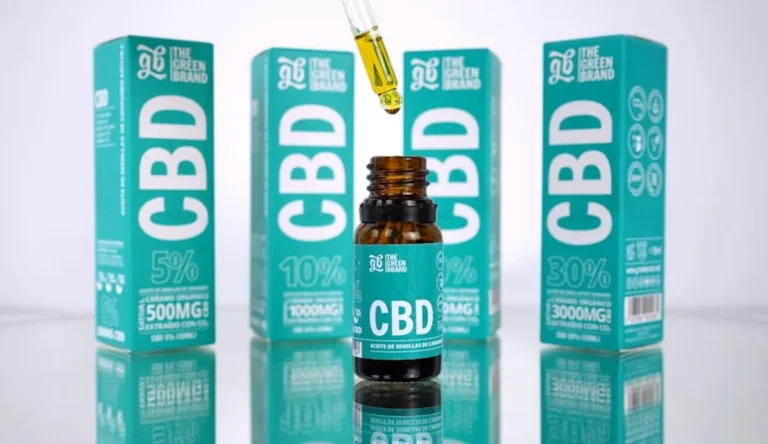
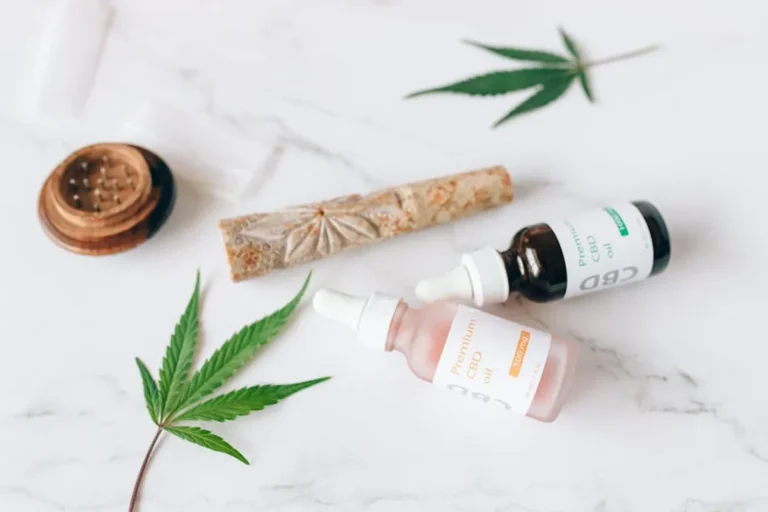
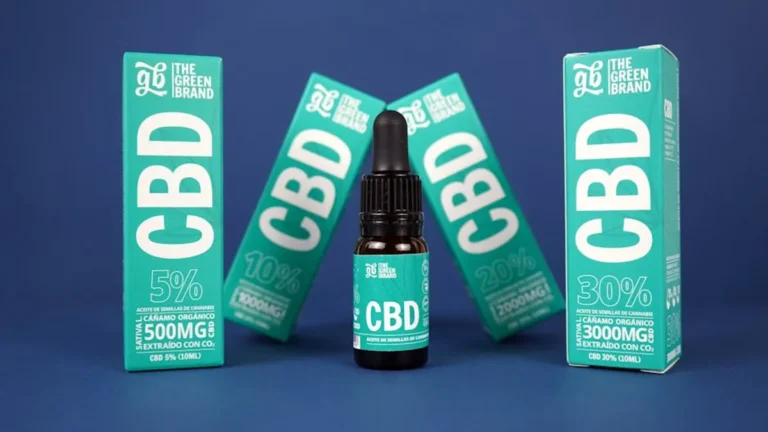
Hemp oil, in the context of therapeutic use and comparison with CBD gummies, refers to an extract from the hemp plant (Cannabis sativa L.) that contains cannabinoids, terpenes, flavonoids, and other beneficial plant compounds, typically diluted in a carrier oil like MCT oil or hemp seed oil. This is distinct from hemp seed oil, which is pressed solely from the seeds and contains negligible cannabinoids. Considering hemp oil quality standards is vital for therapeutic use.
The primary appeal of CBD-rich hemp oil lies in its directness and versatility. It often comes in full-spectrum or broad-spectrum formulations, meaning it includes a range of cannabinoids (like CBD, CBG, CBN) and terpenes that work synergistically, a phenomenon known as the "entourage effect." This comprehensive profile is believed to enhance therapeutic outcomes compared to isolated compounds.
- Extraction Methods: Typically CO2 extraction, which preserves the full cannabinoid and terpene profile without harsh solvents.
- Carrier Oils: Common choices include MCT (medium-chain triglyceride) oil for its rapid absorption, or hemp seed oil, which adds omega fatty acids.
- Potency: Measured in milligrams of CBD per bottle, with clear indications of CBD content per serving (e.g., 10mg per 1ml dropper).
Best for: Individuals seeking precise, adjustable dosing; those who prioritize a full-spectrum cannabinoid profile and potentially faster onset of effects via sublingual administration; users who don't mind the natural, earthy taste of hemp extract.
Understanding CBD Gummies
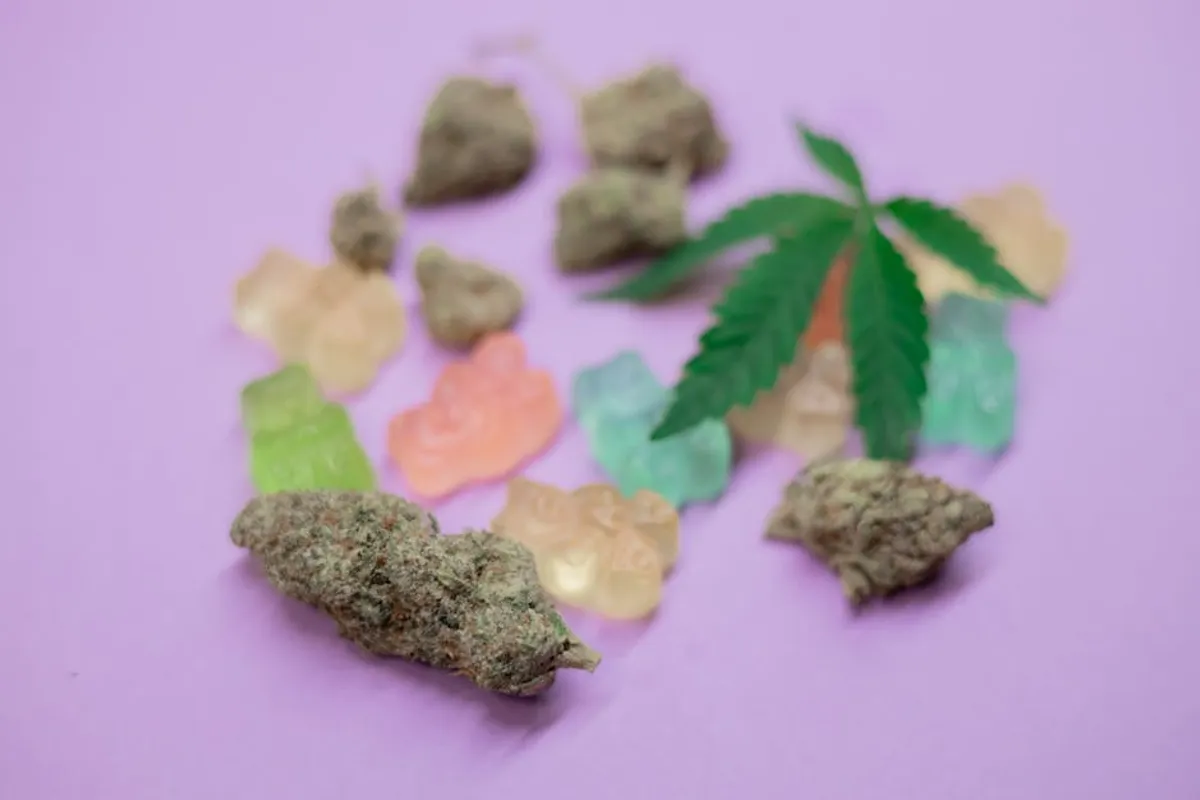
CBD gummies are edible candies infused with cannabidiol. They represent a convenient, discreet, and palatable method of consuming CBD, often masking the natural taste of hemp extract with various flavors and sweeteners. Gummies typically come in pre-measured doses, simplifying consumption for users who prefer consistency without measuring.
These edibles can contain CBD in isolate, broad-spectrum, or full-spectrum forms. Isolate gummies contain only pure CBD, broad-spectrum gummies include other cannabinoids and terpenes but no THC, and full-spectrum gummies contain the full array of hemp compounds, including trace amounts of THC (below 0.3% federally legal limit).
Best for: Users prioritizing convenience, discretion, and taste; individuals seeking a consistent, pre-measured dose; those who prefer a longer-lasting effect profile, even if onset is delayed.
Key Differentiators: A Direct Comparison
Formulation and Ingredients
Hemp oil is generally a simpler product, comprising hemp extract and a carrier oil. This minimalist approach often appeals to users who prefer fewer additives. CBD gummies, conversely, are complex formulations. Beyond the CBD extract, they include ingredients like gelatin or pectin, natural or artificial flavors, sweeteners (sugar, corn syrup, or sugar alcohols), and colorings. These additional components contribute to taste and texture but also add to the overall ingredient list, which some consumers scrutinize for dietary or allergen concerns.
Bioavailability and Onset Time
The method of consumption directly impacts how quickly CBD enters the bloodstream and how much is ultimately absorbed. Hemp oil, when taken sublingually (under the tongue), allows CBD to be absorbed directly into the capillaries in the mouth, bypassing the digestive system and liver metabolism. This results in a faster onset of effects, typically within 15-45 minutes, and higher bioavailability (a greater percentage of the CBD reaching systemic circulation).
CBD gummies, as edibles, must pass through the digestive system. Here, CBD is metabolized by the liver before entering the bloodstream. This process, known as the "first-pass effect," reduces the amount of CBD that reaches systemic circulation, leading to lower bioavailability. Onset time is also delayed, usually taking 45 minutes to 2 hours, but the effects tend to be more prolonged due to the slow release from the digestive tract.
Dosage Precision
Hemp oil offers superior dosage flexibility. Using a marked dropper, users can adjust their dose incrementally, from a few drops to a full dropper, allowing for precise titration to find the optimal effective dose. This is particularly valuable for individuals who require micro-dosing or who are sensitive to cannabinoids.
Gummies provide convenience through pre-measured doses (e.g., 10mg, 25mg per gummy). While this simplifies consistent intake, it limits flexibility. Adjusting a dose often means consuming half a gummy, which can be less precise and less convenient than adjusting drops of oil.
Taste and Convenience
The natural taste of unflavored hemp oil is often described as earthy, grassy, or nutty, which some find unpalatable. Flavored oils exist, but the texture remains distinct. The primary convenience of hemp oil lies in its quick administration.
Gummies excel in taste and discretion. Their candy-like flavors mask the hemp taste entirely, making them a popular choice for those averse to the natural flavor of hemp. They are also highly discreet, resembling ordinary candy, and require no measuring, making them ideal for on-the-go consumption.
Cost Efficiency
Comparing cost per milligram of CBD is essential. While gummies may seem more affordable upfront, the cost per milligram of CBD can often be higher due to the additional manufacturing processes and ingredients involved in their production. Hemp oils, particularly in higher concentrations, often offer a more cost-effective way to purchase CBD per milligram, especially for regular users.
Pro Tip: Always verify third-party lab reports for any CBD or hemp product. These reports confirm cannabinoid content (including THC levels), and screen for contaminants like pesticides, heavy metals, and residual solvents. Transparency in testing is a non-negotiable indicator of product quality and safety, regardless of whether you choose oil or gummies.
Making an Informed Decision
The choice between CBD gummies and hemp oil ultimately depends on individual priorities related to efficacy, experience, and lifestyle. For those requiring rapid onset of effects, precise dosage adjustments, and a preference for a direct, less-processed product, CBD-rich hemp oil is often the preferred option. Its higher bioavailability through sublingual administration means more CBD reaches the system more quickly, which can be critical for acute needs.
Conversely, if taste, discretion, and consistent, long-lasting effects are paramount, CBD gummies offer a compelling solution. They simplify daily routines, eliminate the need for measuring, and provide a palatable way to consume CBD. While their onset is slower and bioavailability lower, the sustained release can be beneficial for managing chronic conditions or maintaining general wellness throughout the day.
Consider your daily routine: Can you consistently administer oil sublingually, or do you need the grab-and-go simplicity of a gummy? Reflect on your taste preferences: Are you comfortable with natural hemp flavors, or do you require a more palatable option? Finally, evaluate your specific health goals: Is immediate relief a priority, or are sustained, background effects more important?
Frequently Asked Questions
Can I take both CBD gummies and hemp oil?
Yes, many individuals use both, often leveraging hemp oil for immediate or acute needs and gummies for sustained, baseline support throughout the day or night. It's crucial to monitor total CBD intake to avoid excessive dosing.
Do CBD gummies or hemp oil show up on a drug test?
Products containing full-spectrum hemp extract, whether oil or gummies, contain trace amounts of THC (below 0.3%). While this amount is generally insufficient to cause psychoactive effects, it *could* potentially accumulate and trigger a positive result on a sensitive drug test. If drug testing is a concern, broad-spectrum or CBD isolate products are safer choices, as they are processed to remove THC.
How should I store CBD gummies and hemp oil?
Both products should be stored in a cool, dark place away from direct sunlight and extreme temperatures. This helps preserve the integrity of the cannabinoids and other compounds, preventing degradation and maintaining potency. Always keep them out of reach of children.
What is the typical duration of effects for each?
Hemp oil, taken sublingually, typically produces effects that last 4-6 hours. CBD gummies, due to digestion and slower release, tend to have effects that last longer, often 6-8 hours or more, though the onset is delayed.