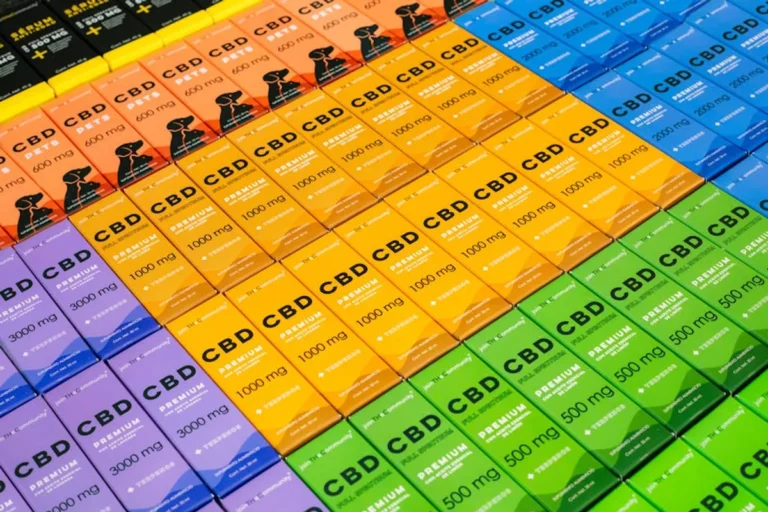
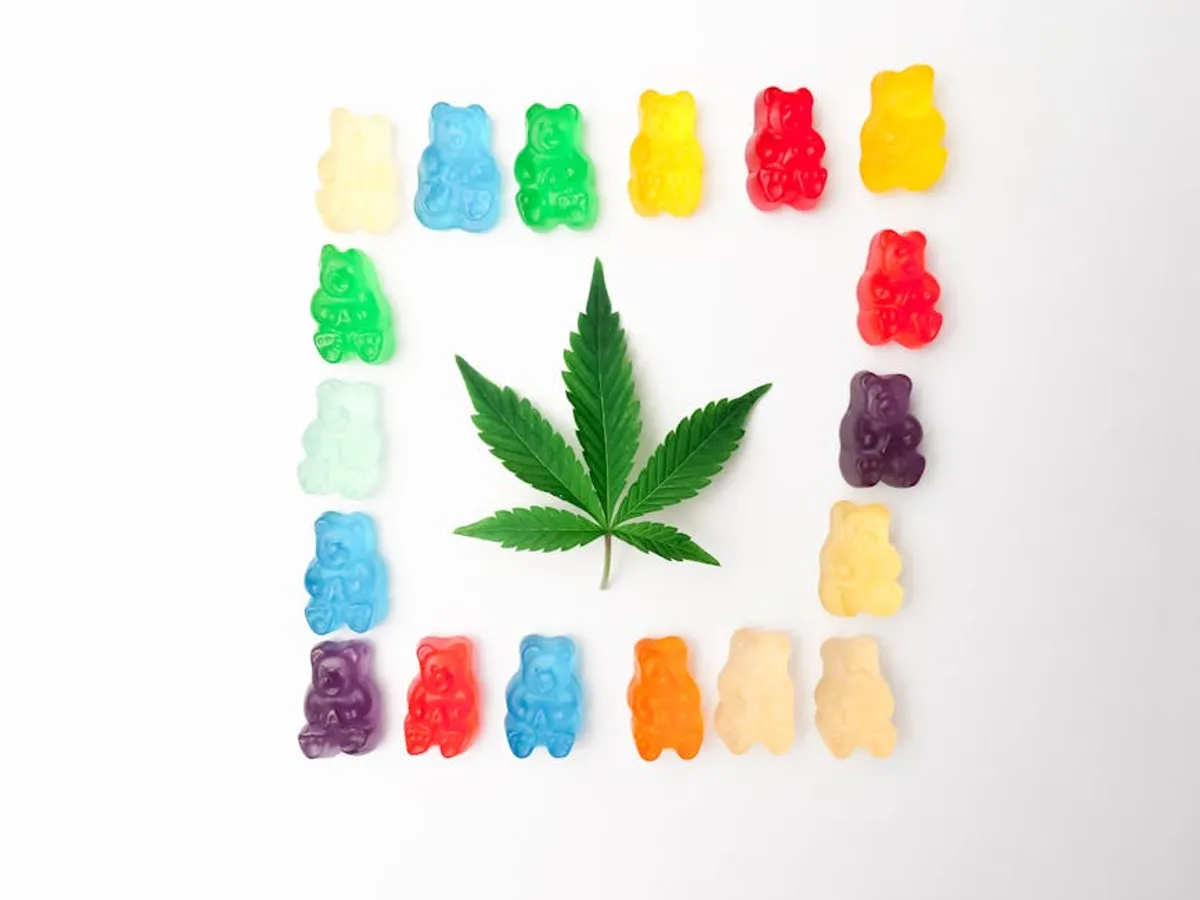
While CBD gummies offer a convenient and palatable entry point for many users, the broader market for cannabidiol products encompasses a diverse array of alternatives, each with distinct characteristics regarding absorption, onset time, duration of effects, and user experience. Understanding these differences is crucial for consumers seeking specific outcomes, whether that involves rapid relief, precise dosing, or targeted application. The choice between CBD gummies and other formats often hinges on individual priorities such as lifestyle integration, taste preference, and the desired physiological impact. This comparison aims to delineate the operational distinctions among various CBD product types, enabling a more informed selection based on practical utility rather than merely popularity.
What to Look For in an Alternative
When considering CBD alternatives, several factors dictate their suitability for different users and applications. Evaluating these aspects systematically helps align product choice with personal requirements.
Bioavailability and Absorption Rate: This refers to the proportion of CBD that enters the circulation when introduced into the body and is able to have an active effect. Products administered sublingually or inhaled typically offer higher bioavailability and faster absorption than those ingested orally, which must pass through the digestive system.
Onset and Duration of Effects: How quickly a product begins to exert its effects and how long those effects last are critical considerations. Faster onset is often associated with methods like vaping, while ingested products tend to have a slower onset but longer-lasting effects.
Dosage Precision and Control: Some product forms allow for very precise adjustments to dosage, which is beneficial for titration. Others come in pre-measured units, offering convenience but less flexibility in micro-adjustments.
Convenience and Discretion: The ease of use and ability to consume CBD discreetly in various settings can significantly influence product preference. Gummies and capsules are often favored for their discretion, while tinctures offer more flexibility in consumption method.
Flavor and Palatability: The natural taste of hemp can be off-putting to some. Alternatives range from flavorless isolates to highly palatable edibles, catering to different taste sensitivities.
Ingredient Profile: Products can contain full-spectrum (all cannabinoids, terpenes, flavonoids, including trace THC), broad-spectrum (all cannabinoids, terpenes, flavonoids, but no THC), or isolate (pure CBD only) formulations. Each offers a different potential for the "entourage effect," where compounds work synergistically.
Cost-Effectiveness: While initial pricing varies, evaluating the cost per milligram of CBD across different product types provides a more accurate measure of economic value.
1. CBD Oils/Tinctures
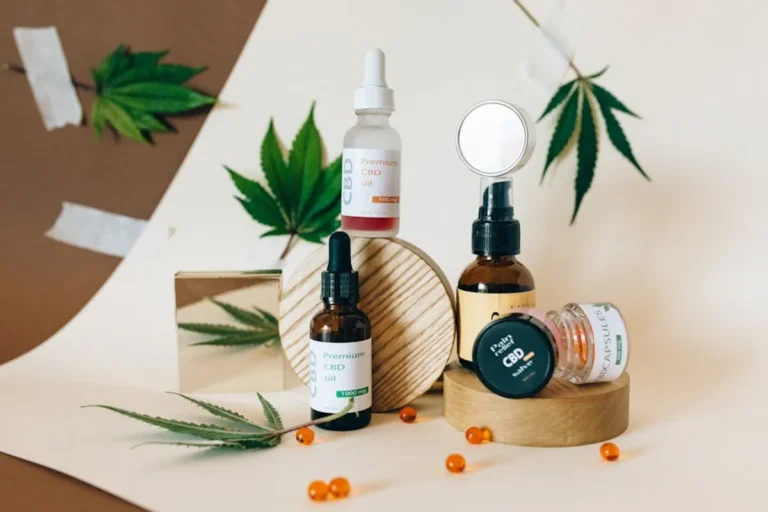
CBD oils and tinctures represent a foundational category within the CBD market, characterized by their liquid form and typically administered sublingually (under the tongue). This method bypasses the digestive system to some extent, allowing for direct absorption into the bloodstream through the mucous membranes in the mouth. Tinctures are often formulated with a carrier oil, such as MCT oil, hemp seed oil, or olive oil, which aids in CBD absorption and can influence the product's flavor profile.
Key Features: Dropper for precise, adjustable dosing; relatively fast absorption (15-45 minutes); available in a wide range of concentrations (e.g., 250mg to 5000mg+ per bottle); often full-spectrum or broad-spectrum formulations.
Pricing: Varies significantly based on CBD concentration, bottle size, and brand reputation. Generally, higher potency tinctures offer better value per milligram of CBD. Prices typically range from $0.03 to $0.15 per milligram of CBD.
Best For: Users seeking flexible and customizable dosing, faster onset of effects compared to edibles, and those who prioritize higher bioavailability. Suitable for individuals who want to fine-tune their CBD intake.
Pros: High bioavailability due to sublingual absorption; allows for precise dosage adjustments; relatively quick onset of effects; versatile, as it can also be added to food or beverages (though this reduces bioavailability).
Cons: Earthy or hempy taste can be undesirable for some users; less discreet than capsules or gummies; requires careful measurement to ensure consistent dosing.
2. CBD Capsules/Softgels
CBD capsules and softgels offer a straightforward, pre-measured dose of CBD encapsulated in a digestible form. These products are swallowed like traditional pills and undergo digestion before the CBD is absorbed into the bloodstream. This process means a slower onset of effects but often a more prolonged duration, as the CBD is released gradually. Capsules are particularly favored for their consistency and ease of integration into daily supplement routines.
Key Features: Pre-measured, consistent dosage per unit; flavorless and odorless; discreet consumption; typically available in various potencies (e.g., 10mg, 25mg, 50mg per capsule).
Pricing: Comparable to gummies per serving, with costs generally ranging from $0.05 to $0.20 per milligram of CBD, depending on potency and brand. Multi-packs often offer better value.
Best For: Individuals prioritizing precise, consistent dosing without any taste considerations; users who value discretion and convenience in their CBD regimen; suitable for those seeking longer-lasting effects.
Pros: Highly discreet and portable; no taste or odor; exact dosage with every serving eliminates guesswork; longer-lasting effects due to slower release through digestion.
Cons: Slower onset of effects (45-90 minutes) compared to tinctures or vapes; lower bioavailability due to first-pass metabolism in the liver; less flexible for dosage adjustments than tinctures.
3. CBD Topicals (Creams, Balms, Lotions)
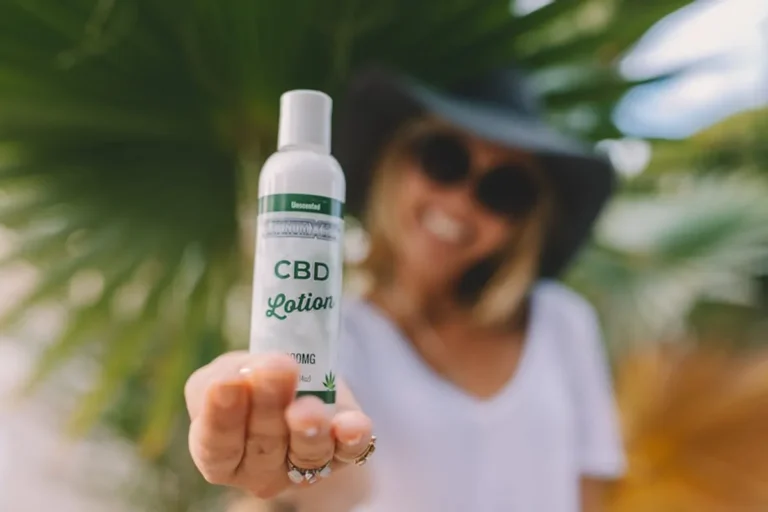
CBD topicals are products designed for external application directly to the skin. These formulations are typically infused with CBD and other beneficial ingredients like essential oils or menthol, targeting localized areas of discomfort or skin conditions. Unlike ingested CBD products, topicals do not enter the bloodstream in significant amounts, meaning their effects are primarily confined to the area of application.
Key Features: Targeted application for localized relief; does not produce systemic effects; available in various textures (creams, balms, lotions, salves); often includes complementary ingredients for enhanced effects.
Pricing: Wide range depending on CBD concentration, product volume, and additional active ingredients. Prices can vary from $20 to over $100 for higher potency or specialized formulations.
Best For: Individuals seeking localized relief for muscle soreness, joint discomfort, or skin irritations; users who prefer not to ingest CBD or are concerned about systemic effects.
Pros: Provides targeted relief directly where needed; avoids systemic interaction, making it suitable for those sensitive to oral CBD; non-intoxicating and generally well-tolerated.
Cons: Effects are localized and do not address systemic issues; absorption can vary based on skin type and product formulation; not suitable for users seeking internal wellness benefits.
4. CBD Vapes (Vape Pens, Cartridges)
CBD vape products involve inhaling vaporized CBD oil, typically through a vape pen or e-cigarette device. This method delivers CBD directly to the lungs, where it is rapidly absorbed into the bloodstream. Vaping offers the fastest onset of effects among all CBD consumption methods, making it a choice for immediate relief, though the effects tend to be shorter-lived compared to ingested forms.
Key Features: Extremely rapid onset of effects (within minutes); high bioavailability; requires specific vaping hardware; available in various flavors and CBD concentrations.
Pricing: Initial investment for a reusable vape pen or device (often $20-$60), plus ongoing costs for CBD vape cartridges or e-liquid, which typically range from $25-$70 per cartridge/bottle.
Best For: Users requiring immediate effects; individuals familiar with vaping; those seeking high bioavailability for efficient CBD delivery.
Pros: Fastest onset of effects, providing near-instantaneous relief; high bioavailability ensures more CBD reaches the bloodstream; discreet vapor production, depending on device.
Cons: Potential respiratory concerns associated with inhaling vaporized substances; effects tend to be shorter in duration; requires specific equipment and maintenance; not recommended for individuals with lung conditions.
5. CBD Edibles (Chocolates, Baked Goods, Beverages)
Beyond gummies, the category of CBD edibles encompasses a wide variety of food and drink products infused with cannabidiol, such as chocolates, cookies, brownies, and various beverages. Like gummies, these products are ingested orally, leading to a slower onset of effects as the CBD is processed through the digestive system. They offer a palatable and discreet way to consume CBD, often masking the natural hemp flavor entirely.
Key Features: Diverse range of flavors and formats; pre-dosed for convenience; discreet consumption; often designed to be an enjoyable treat or beverage.
Pricing: Varies significantly by product type, brand, and CBD content. Generally comparable to or slightly higher than gummies per milligram of CBD, ranging from $0.05 to $0.25 per milligram.
Best For: Users who prefer varied consumption methods and enjoy palatable, discreet, pre-dosed options; individuals seeking a longer-lasting effect profile similar to gummies or capsules.
Pros: Enjoyable taste masks the hemp flavor; highly discreet and convenient; offers a wide selection of product types; provides longer-lasting effects than tinctures or vapes.
Cons: Slower onset of effects due to digestion; lower bioavailability compared to sublingual or inhaled methods; dosage can be less flexible if not pre-measured into single servings.
6. CBD Isolate Powder
CBD isolate is the purest form of cannabidiol, typically appearing as a fine, white powder containing 99% or more pure CBD. During its extraction and purification process, all other plant compounds, including cannabinoids (like THC), terpenes, and flavonoids, are removed. This makes isolate a tasteless and odorless option, highly versatile for various applications.
Key Features: 99%+ pure CBD; tasteless and odorless; free of THC and other cannabinoids; versatile for mixing into foods, drinks, or carrier oils; can be dabbed or vaporized.
Pricing: Often one of the most cost-effective forms of CBD per gram, with prices typically ranging from $0.02 to $0.08 per milligram of CBD, depending on bulk purchase and purity.
Best For: Users who are sensitive to other cannabinoids or terpenes; individuals who require a THC-free product; those who want to add CBD to their own recipes or products; high-dose users seeking a cost-effective option.
Pros: Guarantees no THC, suitable for individuals with strict THC avoidance; extremely versatile for custom formulations; tasteless and odorless, easily integrated into various consumables; potentially very potent.
Cons: Lacks the "entourage effect" associated with full-spectrum products; requires accurate measurement for precise dosing; less convenient for on-the-go consumption unless pre-measured or encapsulated.
7. CBD Flower/Pre-rolls
CBD flower refers to the raw, unprocessed buds of the hemp plant, specifically cultivated to contain high levels of CBD and minimal THC (below 0.3%). These flowers can be smoked using pipes or rolling papers (pre-rolls), or vaporized with a dry herb vaporizer. This method delivers a full spectrum of cannabinoids and terpenes, providing what many users refer to as the "entourage effect," where these compounds work synergistically.
Key Features: Contains a full spectrum of naturally occurring cannabinoids and terpenes; immediate onset of effects; natural, unprocessed form of CBD; available in various strains with distinct terpene profiles.
Pricing: Varies by strain, quality, and quantity, typically ranging from $5 to $15 per gram for raw flower, or $8 to $20 for individual pre-rolls.
Best For: Experienced users seeking the full "entourage effect" and immediate onset of effects; individuals who prefer a natural, minimally processed form of CBD; users accustomed to smoking or vaporizing plant material.
Pros: Offers the full spectrum of hemp compounds for potential synergistic benefits; extremely fast onset of effects; provides a natural aroma and flavor profile unique to each strain.
Cons: Involves smoking or vaping, which may not be suitable for all users; less discreet due to aroma and visible smoke/vapor; potential for trace amounts of THC, though within legal limits; requires proper storage to maintain freshness.
How to Choose the Right Alternative
Selecting the optimal CBD product hinges on aligning its characteristics with your specific needs and preferences. Consider the desired speed and duration of effects: if immediate relief is paramount, vaping or sublingual tinctures are more suitable. For sustained effects throughout the day or night, capsules and edibles, including gummies, are often preferred. Dosage control is another critical factor; tinctures offer the most flexibility for titration, while capsules provide consistent, pre-measured doses.
Lifestyle and discretion also play a role. Capsules and gummies are highly portable and discreet for public use, whereas vaping or smoking flower may draw more attention. Taste preference is subjective; if the earthy taste of hemp is unappealing, flavorless isolates or palatable edibles are better choices. Finally, evaluate the ingredient profile—full-spectrum for the "entourage effect," broad-spectrum for THC avoidance with other cannabinoids, or isolate for pure CBD. By systematically weighing these factors, consumers can identify the CBD alternative that best integrates into their routine and meets their wellness goals.
Frequently Asked Questions
What is bioavailability in the context of CBD products?
Bioavailability refers to the percentage of an administered CBD dose that reaches the systemic circulation unchanged. Factors like the method of consumption (e.g., sublingual, oral, inhaled) and the product's formulation significantly impact bioavailability. For instance, sublingual tinctures and vapes generally have higher bioavailability than orally ingested products like gummies or capsules, because they bypass some of the digestive processes that can degrade CBD.
What is the "entourage effect" and why does it matter for CBD alternatives?
The "entourage effect" is a theory suggesting that various compounds found in the cannabis plant, including cannabinoids (like CBD and THC), terpenes, and flavonoids, work together synergistically to enhance each other's therapeutic effects. Full-spectrum CBD products, which contain all these compounds, are believed to offer a more comprehensive benefit profile than CBD isolate, which contains only pure CBD. Broad-spectrum products aim to provide a similar effect without any THC.
Are CBD alternatives legal?
The legal status of CBD products, including alternatives to gummies, is complex and varies by jurisdiction. In the United States, federally legal CBD products must be derived from hemp and contain less than 0.3% delta-9 THC. However, individual state laws can differ, with some states having stricter regulations. It is crucial to verify the specific laws in your location before purchasing or consuming any CBD product. Reputable manufacturers provide third-party lab reports confirming THC levels.
How do I determine the right dosage for CBD alternatives?
Determining the correct CBD dosage is highly individualized and depends on factors such as body weight, metabolism, the specific condition being addressed, and the product's potency. There is no universally recommended dose. It is generally advised to start with a low dose (e.g., 5-10mg) and gradually increase it over several days or weeks until the desired effects are achieved. Consulting with a healthcare professional knowledgeable about CBD is recommended, especially if you are taking other medications.