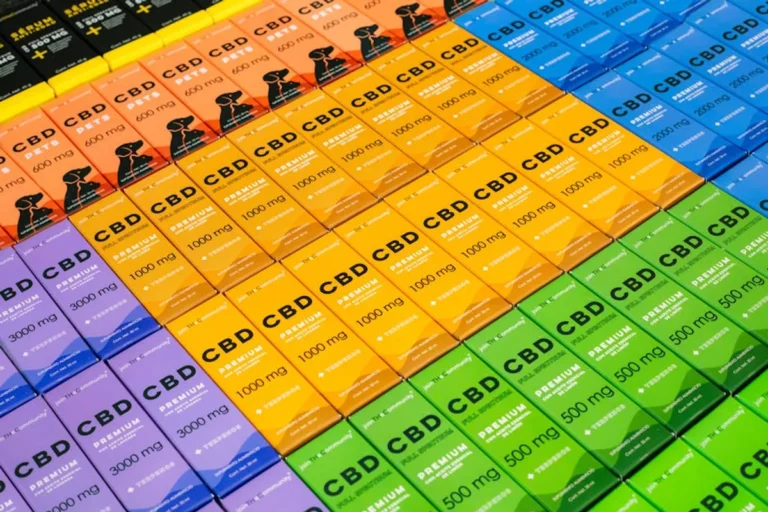

Navigating options for stress management requires understanding their fundamental mechanisms, efficacy profiles, and practical considerations. While CBD has gained significant attention for its potential anxiolytic properties, it represents just one approach within a broader spectrum of interventions. This article dissects the core differences between using CBD for stress and a range of established alternatives, from psychological therapies to pharmaceutical options and natural supplements. The goal is to provide a clear framework for evaluating these choices, highlighting their distinct applications, cost implications, and suitability for various individual needs, enabling a more informed decision-making process.
What to Look For in a Stress Management Alternative
When evaluating alternatives to CBD for stress management, consider several key factors beyond initial popularity. First, assess the underlying mechanism of action; does it target neurochemical pathways, behavioral patterns, or physiological responses? Understanding this helps predict efficacy for specific stress types. Second, examine the evidence base, prioritizing interventions with robust clinical research supporting their effectiveness. Third, consider the intervention's accessibility, including geographic availability, cost, and the time commitment required. Fourth, evaluate the potential side effects and contraindications, particularly if you have existing health conditions or are taking other medications. Finally, consider the long-term sustainability and whether the alternative promotes self-efficacy in managing stress independently.
1. Cognitive Behavioral Therapy (CBT)
Cognitive Behavioral Therapy (CBT) is a structured, evidence-based psychological intervention designed to help individuals identify and modify unhelpful thinking patterns and behaviors that contribute to stress, anxiety, and other emotional difficulties. Unlike pharmacological approaches, CBT focuses on teaching practical coping skills and problem-solving strategies, empowering individuals to manage their responses to stressors. It typically involves a limited number of sessions with a trained therapist, making it a time-bound and goal-oriented treatment.
Key Features: Structured sessions, focus on thought-behavior connection, skill-building for coping, homework assignments between sessions, therapist-guided process.
Pricing: Varies significantly by therapist qualifications, location, and insurance coverage. Individual sessions can range from $100 to $250 or more, though many insurance plans offer partial or full coverage. Online platforms may offer more affordable or subscription-based models.
Best For: Individuals experiencing chronic stress, generalized anxiety disorder, panic disorder, or stress-related symptoms stemming from identifiable thought patterns. Effective for those who prefer a non-pharmacological, skill-building approach.
Pros:
- Strong evidence base for long-term efficacy in managing various anxiety and stress disorders.
- Teaches transferable skills that can be applied to future stressors, promoting self-sufficiency.
- Addresses the root cognitive and behavioral causes of stress, not just symptoms.
- No physical side effects associated with medication.
Cons:
- Requires active participation and consistent effort from the individual.
- Can be costly without adequate insurance coverage.
- Finding a qualified and available therapist can be challenging.
- Results are not immediate and require a commitment to the process.
2. Mindfulness and Meditation Practices
Mindfulness and meditation encompass a range of mental training techniques aimed at cultivating present-moment awareness and non-judgmental observation of thoughts, feelings, and bodily sensations. These practices, often rooted in ancient traditions, have been adapted into secular programs like Mindfulness-Based Stress Reduction (MBSR). The core mechanism involves shifting attention away from ruminative thinking and future-oriented worries, thereby reducing the physiological and psychological impact of stress. Regular practice can lead to neuroplastic changes in the brain regions associated with emotional regulation.
Key Features: Focus on present moment, breath awareness, body scan meditations, guided imagery, non-judgmental observation, self-directed practice.
Pricing: Many basic resources (apps, online guides) are free or low-cost. Premium apps or in-person classes/retreats can range from $10 to $50 per month for subscriptions, or hundreds for workshops. Books and online courses vary widely.
Best For: Individuals seeking a self-directed, non-pharmacological method for stress reduction and emotional regulation. Suitable for those open to introspection and consistent daily practice.
Pros:
- Highly accessible with numerous free and low-cost resources.
- Can be practiced anywhere, anytime, requiring no special equipment.
- Promotes long-term improvements in emotional resilience and stress response.
- Generally no adverse side effects when practiced correctly.
Cons:
- Requires consistent, disciplined practice to see significant benefits.
- Can be challenging for individuals with severe anxiety or difficulty focusing.
- Initial results may be subtle and not as immediate as some other interventions.
- Some individuals may find it difficult to start or sustain without external guidance.
3. Adaptogenic Herbs
Adaptogenic herbs, such as Ashwagandha (Withania somnifera) and Rhodiola Rosea, are a category of botanicals believed to help the body adapt to stress, promoting homeostasis. Their proposed mechanism involves modulating the hypothalamic-pituitary-adrenal (HPA) axis, which plays a central role in the stress response, and influencing neurotransmitter systems. Unlike sedatives, adaptogens are not intended to exert an immediate, dramatic effect but rather to support the body's natural resilience over time, reducing the impact of chronic stress and fatigue.
Key Features: Natural botanical compounds, HPA axis modulation, non-specific stress resistance, gradual onset of effects, available in various supplement forms.
Pricing: Varies by brand, potency, and quantity. A one-month supply of a reputable Ashwagandha or Rhodiola supplement typically costs between $15 and $40. Higher quality extracts or organic options may be more expensive.
Best For: Individuals experiencing mild to moderate chronic stress, fatigue, or general feelings of overwhelm, who prefer natural remedies and are not seeking immediate relief for acute situations.
Pros:
- Natural origin, often perceived as having fewer side effects than pharmaceuticals.
- Can be easily integrated into a daily routine as a supplement.
- Supports overall well-being and energy levels in addition to stress reduction.
- Available without a prescription.
Cons:
- Efficacy can vary significantly between individuals and products.
- Scientific evidence, while growing, is not as extensive or universally conclusive as for some pharmaceutical or therapeutic interventions.
- Potential for interactions with certain medications (e.g., immunosuppressants, sedatives, thyroid hormones).
- Quality and purity of supplements can be inconsistent across brands.
4. Regular Physical Exercise
Regular physical exercise is a potent behavioral intervention for stress management, operating through multiple physiological and psychological pathways. It directly reduces stress hormones like cortisol and adrenaline while stimulating the production of endorphins, which are natural mood elevators. Beyond hormonal effects, exercise provides a constructive outlet for pent-up energy, improves sleep quality, and can serve as a form of "moving meditation," diverting attention from stressors. Consistent activity also enhances self-esteem and provides a sense of accomplishment, further bolstering mental resilience.
Key Features: Aerobic activity, strength training, flexibility exercises, varying intensity and duration, promotes cardiovascular health, improves sleep.
Pricing: Can be free (walking, running outdoors, bodyweight exercises). Gym memberships range from $10 to $100+ per month. Fitness classes (yoga, spinning) typically cost $15-$30 per session or are included in higher-tier memberships. Home equipment costs vary widely.
Best For: Nearly anyone experiencing stress, particularly those with sedentary lifestyles or who find physical activity enjoyable. Highly effective for managing anxiety, improving mood, and boosting overall health.
Pros:
- Numerous well-documented physical and mental health benefits beyond stress reduction.
- Accessible in many forms, often at no cost.
- Provides a constructive outlet for stress and nervous energy.
- Enhances sleep quality and cognitive function.
Cons:
- Requires motivation and discipline to maintain consistency.
- Risk of injury if not performed correctly or if intensity is too high.
- May not be suitable for individuals with certain physical limitations or health conditions without medical clearance.
- Time commitment can be a barrier for some individuals.
5. Prescription Anxiolytics and Antidepressants
Prescription medications, including anxiolytics (e.g., benzodiazepines) and antidepressants (e.g., SSRIs, SNRIs), are pharmaceutical interventions used to manage severe or chronic stress, anxiety disorders, and depression. Anxiolytics provide rapid, short-term relief by enhancing the effect of the neurotransmitter GABA, leading to a calming effect. Antidepressants work by modulating neurotransmitters like serotonin and norepinephrine, aiming for long-term mood stabilization and anxiety reduction. These medications are prescribed and monitored by medical professionals due to their potency and potential side effects.
Key Features: Pharmacological intervention, physician prescription and oversight, targeted neurotransmitter modulation, varying onset of effects, potential for side effects and interactions.
Pricing: Varies significantly by medication, dosage, insurance coverage, and pharmacy. Generics are typically low-cost ($5-$30 per month) with insurance, while brand-name drugs can be hundreds. Doctor visits for prescriptions also incur costs.
Best For: Individuals with clinically diagnosed anxiety disorders, severe chronic stress, or co-occurring depression where other interventions have been insufficient. Requires medical evaluation and supervision.
Pros:
- Can provide significant and often rapid relief for severe symptoms.
- Effective for managing complex anxiety disorders that may not respond to other treatments alone.
- Under medical supervision, dosages can be adjusted to optimize efficacy and minimize side effects.
Cons:
- Potential for significant side effects (e.g., drowsiness, nausea, weight changes, sexual dysfunction).
- Risk of dependence and withdrawal symptoms, particularly with benzodiazepines.
- May interact with other medications or substances.
- Requires ongoing medical monitoring and regular doctor visits.
- Antidepressants often take several weeks to become fully effective.
6. Nutritional Interventions
Nutritional interventions for stress management involve optimizing dietary intake to support brain function, neurotransmitter production, and overall physiological resilience. This includes ensuring adequate intake of essential vitamins (especially B vitamins, Vitamin D), minerals (magnesium, zinc), omega-3 fatty acids, and complex carbohydrates. A balanced diet helps stabilize blood sugar, which can impact mood and energy levels, and reduces systemic inflammation, a factor linked to stress and mood disorders. Limiting processed foods, excessive caffeine, and sugar is also a key component.
Key Features: Balanced macronutrient intake, micronutrient optimization, blood sugar regulation, anti-inflammatory diet principles, hydration, gut health focus.
Pricing: Primarily involves grocery expenses, which vary based on food choices. Supplements (multivitamins, omega-3s, magnesium) can add $10-$50+ per month. Consulting a registered dietitian or nutritionist can cost $75-$200 per session.
Best For: Individuals seeking a foundational approach to stress management, those with dietary deficiencies, or those looking to support their mental health through lifestyle changes. Complements other stress reduction strategies.
Pros:
- Supports overall physical health in addition to mental well-being.
- Generally low risk when focusing on whole, unprocessed foods.
- Can improve energy levels, sleep, and cognitive function.
- Empowers individuals to take an active role in their health.
Cons:
- Results are often gradual and may not provide immediate relief for acute stress.
- Requires consistent effort and discipline in dietary choices.
- Impact can be less pronounced for severe anxiety disorders without additional interventions.
- Information overload and conflicting dietary advice can be confusing.
7. Acupuncture and Traditional Chinese Medicine (TCM)
Acupuncture, a key component of Traditional Chinese Medicine (TCM), involves inserting thin needles into specific points on the body to stimulate energy flow (Qi) and restore balance. From a Western perspective, acupuncture is thought to stimulate the nervous system, releasing natural painkillers (endorphins) and influencing neurotransmitters and hormones involved in the stress response. TCM also incorporates herbal medicine, dietary therapy, and other practices to address the root causes of imbalance, offering a holistic approach to stress and anxiety management.
Key Features: Needle insertion at specific points, Qi regulation, holistic diagnostic approach, individualized treatment plans, often combined with herbal remedies, cupping, or moxibustion.
Pricing: Initial consultation and treatment can range from $75 to $150. Follow-up sessions typically cost $50 to $100. Herbal prescriptions are an additional cost, often $20-$50 per week. Some insurance plans may cover acupuncture.
Best For: Individuals open to alternative and complementary medicine, those seeking a holistic approach to stress, or those who have not found sufficient relief from conventional treatments. Often used for chronic stress, anxiety, and related physical symptoms like headaches or digestive issues.
Pros:
- Holistic approach addresses both symptoms and underlying imbalances.
- Generally safe with minimal side effects when performed by a licensed practitioner.
- Many individuals report deep relaxation and improved well-being during and after sessions.
- Can be effective for stress-related physical symptoms.
Cons:
- Efficacy can be subjective and vary between individuals.
- Requires multiple sessions for sustained benefits, incurring ongoing costs.
- Finding a qualified and reputable practitioner is essential.
- The mechanism of action is not fully understood by Western science, which may be a barrier for some.
How to Choose the Right Alternative
Selecting the most appropriate stress management alternative depends on individual circumstances, the severity of stress, and personal preferences. For acute, mild stress, self-directed practices like mindfulness or regular exercise can be highly effective and accessible. If stress is chronic or impacting daily functioning, exploring structured interventions like CBT or consulting a healthcare provider about adaptogenic herbs or even prescription options becomes more relevant. Consider your comfort level with different approaches—psychological, pharmacological, or natural—and assess the time and financial commitment each requires. Prioritize alternatives with a strong evidence base for your specific type of stress, and always consult with a healthcare professional before starting any new treatment, especially if you have existing health conditions or are taking other medications. A multi-modal approach, combining several complementary strategies, often yields the most robust and sustainable results.
Frequently Asked Questions
Q: Can I combine CBD with other stress management alternatives?
A: Combining CBD with other stress management techniques is possible, but it's crucial to consult with a healthcare professional first. This is particularly important when considering prescription medications or other supplements, as interactions can occur. For behavioral approaches like CBT or exercise, CBD might be used as a complementary aid, but it should not replace primary therapeutic interventions.
Q: How quickly do these alternatives typically provide stress relief?
A: The onset of relief varies significantly. Prescription anxiolytics can offer rapid relief (within hours), while antidepressants may take several weeks to show full effects. Adaptogenic herbs and nutritional changes often require consistent use over weeks or months for noticeable benefits. CBT and mindfulness practices also demand consistent effort and time to develop skills and observe sustained changes, typically over several weeks to months.
Q: Are there any alternatives that offer immediate relief for acute stress?
A: For immediate, acute stress relief, certain techniques like deep breathing exercises, short mindfulness meditations, or a brief burst of physical activity can provide rapid calming effects. Prescription anxiolytics (like benzodiazepines) are designed for rapid relief but carry risks of dependence and are typically reserved for severe, short-term situations under medical supervision.
Q: What is the long-term effectiveness of these alternatives compared to CBD?
A: Long-term effectiveness is highly dependent on the alternative and individual adherence. CBT and mindfulness practices, by teaching coping skills, often have durable effects that can improve over time with continued practice. Regular exercise and optimized nutrition provide sustained benefits as long as they are maintained. Prescription medications offer ongoing relief for chronic conditions but often require continuous use. The long-term efficacy of CBD for chronic stress is still an area of active research, with current data suggesting it can be beneficial for some, but often best used as part of a broader wellness strategy.