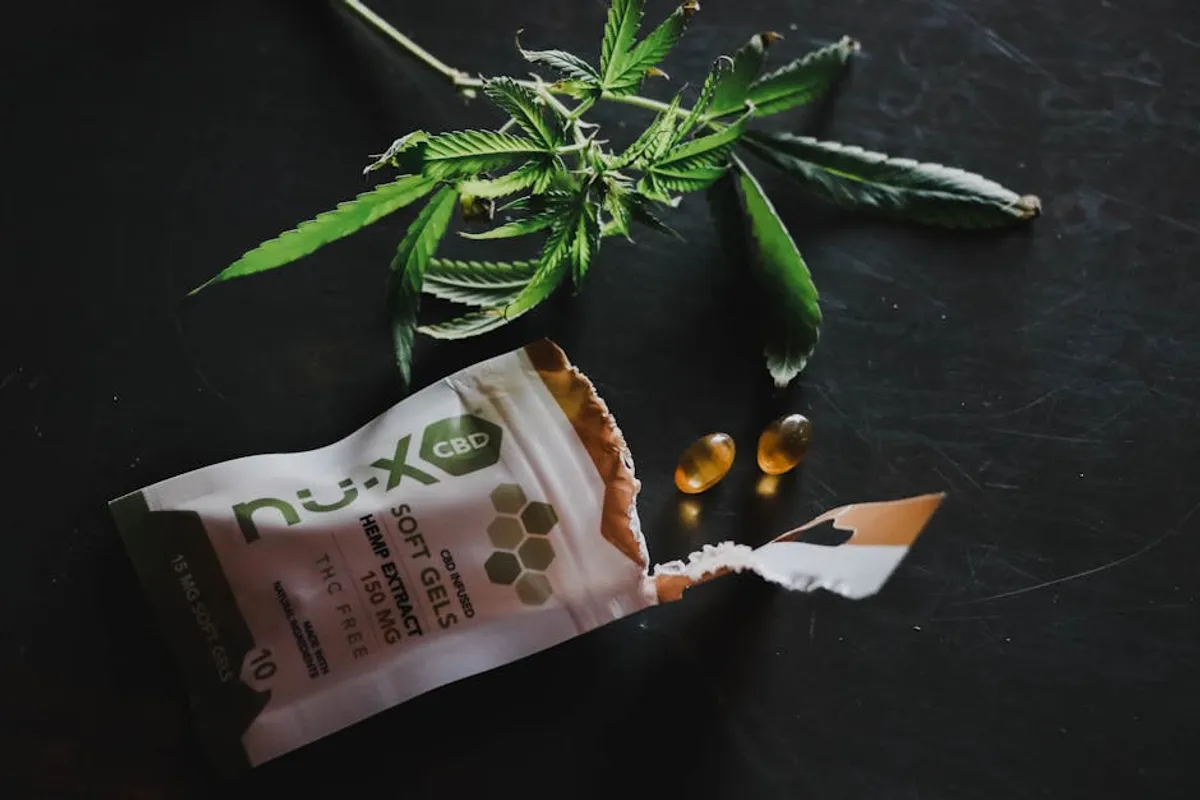
CBD capsules offer a straightforward, pre-dosed approach to cannabinoid intake, appealing to users seeking consistency and discretion without the distinct taste of hemp. However, the efficacy and user experience of CBD are heavily influenced by its delivery method. Understanding the differences between capsules and their alternatives is crucial for aligning product choice with specific needs, whether that involves faster onset, targeted relief, or a more palatable consumption experience. This distinction is not merely about preference; it impacts bioavailability, duration of effects, and overall convenience.
When evaluating CBD delivery methods beyond capsules, consider the absorption pathway and its implications for how quickly and effectively the compound enters the bloodstream or interacts with the body. Each alternative presents a unique profile regarding onset time, duration of effects, and the potential for localized versus systemic relief. The decision between a capsule and an alternative often hinges on individual physiological response, desired outcome, and lifestyle factors, making a detailed comparison essential.
What to Look For in an Alternative
Selecting an alternative to CBD capsules requires evaluating several critical factors that influence both efficacy and user experience. The primary considerations include the desired onset time, which varies significantly between ingestion, sublingual absorption, inhalation, and topical application. Bioavailability, or the proportion of CBD that enters circulation, is another key differentiator, impacting how much of the active compound your body can actually use. Consider the duration of effects; some methods offer sustained release, while others provide a shorter, more intense experience. Palatability and ease of use are practical concerns, especially for daily routines. Finally, the target area for relief—whether systemic or localized—will guide the choice between internal and external application methods. Each of these elements contributes to the overall effectiveness and suitability of a CBD alternative for individual needs.
1. CBD Oils and Tinctures
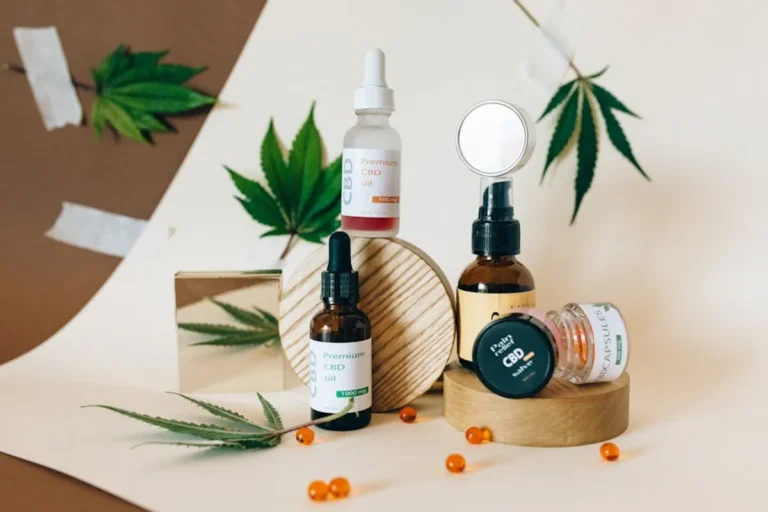
CBD oils and tinctures represent a highly versatile alternative to capsules, offering sublingual absorption directly into the bloodstream through capillaries under the tongue. This method bypasses the digestive system, leading to a faster onset of effects compared to capsules. Users can precisely control dosage drop by drop, allowing for fine-tuning based on individual response. Tinctures often come in various concentrations and flavor profiles, providing flexibility that capsules cannot match.
Key Features: Sublingual delivery, precise dosage control, faster onset than ingestibles, customizable concentrations.
Pricing: Varies significantly by concentration and bottle size, typically ranging from $0.05 to $0.15 per milligram of CBD. Higher concentrations may offer better per-milligram value.
Best For: Individuals seeking rapid onset of effects, precise dosage adjustments, and those who prefer to avoid swallowing pills or have difficulty with them.
Pros:
- Faster absorption and onset due to sublingual delivery.
- High degree of dosage flexibility, allowing micro-adjustments.
- Available in various flavors to mask hemp taste.
- Can be added to foods or beverages for alternative ingestion.
Cons:
- Taste can be an issue for some, even with flavoring.
- Requires a mirror or careful application for accurate sublingual dosing.
- Less discreet than capsules for public use.
- Potential for spillage or mess during use.
2. CBD Edibles
CBD edibles, most commonly gummies, provide a palatable and discreet way to consume CBD. Similar to capsules, they are ingested and processed through the digestive system, resulting in a delayed onset of effects. However, edibles often come in pre-measured doses, simplifying consumption and eliminating the need for measuring. Their variety in flavors and forms makes them an appealing option for those averse to the natural taste of hemp or who prefer a more enjoyable consumption experience.
Key Features: Pre-dosed, wide range of flavors and forms, discreet consumption, convenient for on-the-go.
Pricing: Generally priced higher per milligram of CBD compared to tinctures or raw isolates, often between $0.10 and $0.25 per milligram, reflecting manufacturing and flavoring costs.
Best For: Users prioritizing taste, convenience, and discretion, who do not require immediate effects and prefer a consistent, pre-measured dose.
Pros:
- Pleasant taste and texture, masking hemp flavor entirely.
- Highly discreet and easy to consume anywhere.
- Pre-dosed for consistent intake without measuring.
- Offers a familiar and enjoyable consumption experience.
Cons:
- Delayed onset of effects due to digestive processing.
- Lower bioavailability compared to sublingual or inhaled methods.
- Difficult to adjust dosage precisely without cutting or splitting.
- Risk of consuming too many due to appealing taste.
3. CBD Topicals
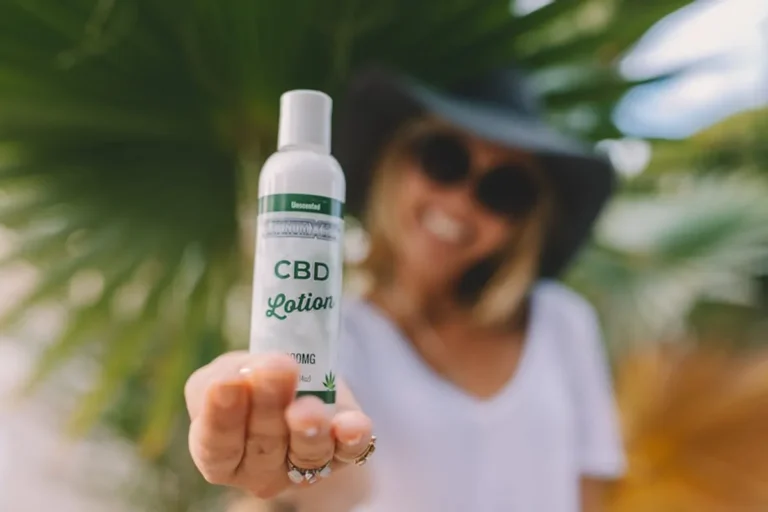
CBD topicals, including creams, balms, lotions, and salves, are designed for localized application directly to the skin. Unlike capsules or other internal methods, topicals do not enter the bloodstream in significant amounts. Instead, CBD interacts with cannabinoid receptors in the skin and underlying tissues, offering targeted relief to specific areas. This method is ideal for addressing localized discomfort or skin conditions without systemic effects, making it a distinct alternative for specific applications.
Key Features: Localized relief, non-systemic absorption, various formulations (creams, balms), often infused with other beneficial ingredients.
Pricing: Highly variable based on CBD concentration, product size, and additional ingredients. Prices can range from $20 to over $100 per container, with per-milligram costs often higher than ingestible forms due to specialized formulations.
Best For: Individuals seeking targeted relief for muscle soreness, joint discomfort, skin irritations, or localized inflammation without systemic effects.
Pros:
- Provides targeted relief directly to specific areas.
- Avoids systemic absorption, minimizing potential interactions or side effects.
- Easy to apply and incorporate into a routine.
- Often combined with other soothing ingredients like menthol or essential oils.
Cons:
- Does not provide systemic effects for overall wellness.
- Effectiveness can vary based on skin penetration and formulation.
- Can be messy or leave residue on clothing.
- Higher cost per milligram of CBD compared to some ingestible forms.
4. CBD Vapes and Inhalables
CBD vapes deliver CBD directly to the lungs, where it is rapidly absorbed into the bloodstream. This method offers the fastest onset of effects among all delivery methods, typically within minutes. The high bioavailability of inhaled CBD means a greater proportion of the compound reaches circulation. However, vaping involves inhaling vaporized substances, which may raise concerns for some users regarding respiratory health. Vapes are often used for immediate relief or when quick adjustments to effects are desired.
Key Features: Rapid onset, high bioavailability, various formulations (vape pens, cartridges), precise control over immediate effects.
Pricing: Initial investment for hardware (vape pen) can range from $20-$100, with cartridges or e-liquids costing $0.08 to $0.20 per milligram of CBD, depending on concentration and brand.
Best For: Users requiring immediate effects, such as for acute discomfort or situational needs, and those prioritizing high bioavailability.
Pros:
- Fastest onset of effects, often within minutes.
- High bioavailability ensures efficient absorption.
- Allows for immediate titration of effects based on user need.
- Discreet vapor production compared to smoking.
Cons:
- Potential concerns regarding long-term respiratory health effects.
- Requires specialized equipment (vape pen, cartridges).
- Effects may be shorter-lived compared to ingestible methods.
- Not suitable for individuals with respiratory conditions.
5. CBD Isolates and Powders
CBD isolates are pure CBD in crystalline or powder form, containing 99%+ CBD with all other plant compounds removed. Powders offer extreme versatility, allowing users to create their own custom CBD products. They can be mixed into foods, beverages, or oils, or even vaporized (with appropriate equipment). This method provides maximum control over the CBD content and allows for creative integration into daily routines, appealing to those who prefer a DIY approach or need to avoid other cannabinoids and terpenes.
Key Features: Pure CBD (99%+), flavorless, odorless, highly versatile, allows for custom formulations, zero THC.
Pricing: Generally one of the most cost-effective forms of CBD on a per-milligram basis, often ranging from $0.02 to $0.08 per milligram, especially when purchased in larger quantities.
Best For: DIY enthusiasts, users requiring precise CBD dosing for custom products, those who want to avoid any traces of THC or other cannabinoids, and budget-conscious consumers.
Pros:
- Highly versatile for custom product creation (edibles, tinctures, topicals).
- Completely flavorless and odorless, easy to integrate.
- Zero THC, suitable for those with strict THC avoidance requirements.
- Often the most cost-effective way to purchase CBD per milligram.
Cons:
- Requires user effort for formulation and dosing.
- Does not offer the entourage effect of full-spectrum products.
- Can be difficult to measure accurately without a precise scale.
- Not as convenient for immediate, on-the-go consumption.
6. CBD Transdermal Patches
CBD transdermal patches deliver CBD through the skin and into the bloodstream over an extended period. Unlike topicals, which primarily act locally, transdermal patches are designed for systemic absorption, providing a slow, continuous release of CBD. This method offers sustained effects for 12-36 hours, making it suitable for individuals seeking consistent, long-lasting relief without the need for frequent dosing. Patches are discreet, easy to apply, and bypass the digestive system, improving bioavailability compared to ingestible forms.
Key Features: Sustained release (12-36 hours), systemic absorption, discreet, bypasses digestive system, consistent dosing.
Pricing: Typically sold individually or in small packs. Prices can vary significantly, often between $5 and $15 per patch, depending on the CBD content and brand. Per-milligram cost is generally higher than bulk oils or isolates.
Best For: Users needing consistent, long-lasting systemic effects, those who prefer to avoid daily dosing, and individuals seeking high bioavailability without inhalation.
Pros:
- Provides prolonged, consistent release of CBD for sustained effects.
- Bypasses digestive system, improving bioavailability.
- Extremely discreet and convenient for all-day use.
- Simple application with pre-measured doses.
Cons:
- Slower onset of effects compared to sublingual or inhaled methods.
- Cannot be easily removed or adjusted once applied for immediate changes.
- Skin sensitivity or irritation can occur at the application site.
- Higher cost per milligram of CBD compared to some other forms.
7. CBD Suppositories
CBD suppositories are administered rectally or vaginally, allowing CBD to be absorbed through the mucous membranes directly into the bloodstream. This method offers high bioavailability, as it bypasses the liver's first-pass metabolism, which can degrade CBD when ingested orally. Suppositories provide systemic effects with a relatively quick onset and are often chosen by individuals who cannot take CBD orally due to nausea, digestive issues, or difficulty swallowing. They offer a discreet and effective alternative for specific needs.
Key Features: High bioavailability (bypasses first-pass metabolism), systemic effects, discreet administration, suitable for those unable to ingest orally.
Pricing: Generally one of the more expensive per-dose options due to specialized manufacturing. Prices typically range from $5 to $15 per suppository, depending on CBD content and pack size.
Best For: Individuals with digestive sensitivities, difficulty swallowing, or those seeking high bioavailability and systemic effects without oral consumption.
Pros:
- High bioavailability due to bypassing liver metabolism.
- Relatively quick onset of systemic effects.
- Suitable for individuals with nausea or digestive issues.
- Discreet administration for specific medical needs.
Cons:
- Less conventional and potentially uncomfortable for some users.
- Not suitable for casual or on-the-go use.
- Limited availability compared to other CBD forms.
- Higher cost per dose due to specialized product format.
How to Choose the Right Alternative
Choosing the right CBD alternative involves a deliberate assessment of your specific requirements and preferences. If rapid relief is paramount, CBD vapes or sublingual oils offer the quickest onset. For sustained, consistent effects without daily dosing, transdermal patches are a strong contender. Individuals prioritizing ease of use and taste might lean towards edibles, while those needing targeted relief for muscle or joint discomfort will find topicals most effective. Consider your lifestyle: do you need discretion, or is precise dosing more important? Factor in any dietary restrictions or sensitivities, as well as your comfort level with different administration methods. Ultimately, the "best" alternative aligns with your desired outcome, physiological response, and practical considerations for integrating CBD into your routine.
Frequently Asked Questions
What is the bioavailability difference between CBD capsules and alternatives?
CBD capsules, being ingested, have lower bioavailability due to first-pass metabolism in the liver. Alternatives like sublingual oils, vapes, and suppositories generally offer higher bioavailability by bypassing or reducing this metabolic process, meaning more CBD reaches the bloodstream.
How quickly do effects manifest with different CBD alternatives?
Vapes offer the fastest onset (minutes), followed by sublingual oils (15-30 minutes). Edibles and capsules have a delayed onset (30-90 minutes or more) due to digestion. Topicals provide localized effects without significant systemic onset, while transdermal patches offer a slow, sustained release over many hours.
Can I use multiple CBD delivery methods concurrently?
Yes, many users combine different methods to achieve desired effects. For example, using a topical for localized discomfort while also taking an edible for systemic, longer-lasting effects. It is advisable to start with lower doses and monitor your body's response when combining methods.
Are there any alternatives that completely avoid the taste of hemp?
Yes, CBD edibles (like gummies) and isolates (when mixed into other foods/drinks) are designed to be flavorless or flavored to mask the hemp taste entirely. Topicals and transdermal patches also avoid oral consumption, thus eliminating taste concerns.
Which alternative is most cost-effective?
CBD isolates and raw powders often offer the lowest cost per milligram of CBD, especially when purchased in bulk. However, they require user effort for formulation. Among finished products, high-concentration tinctures can also be very cost-effective per milligram.