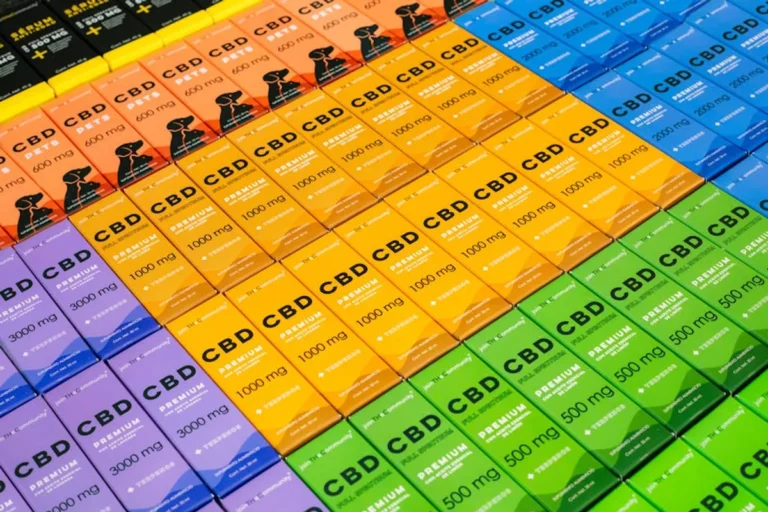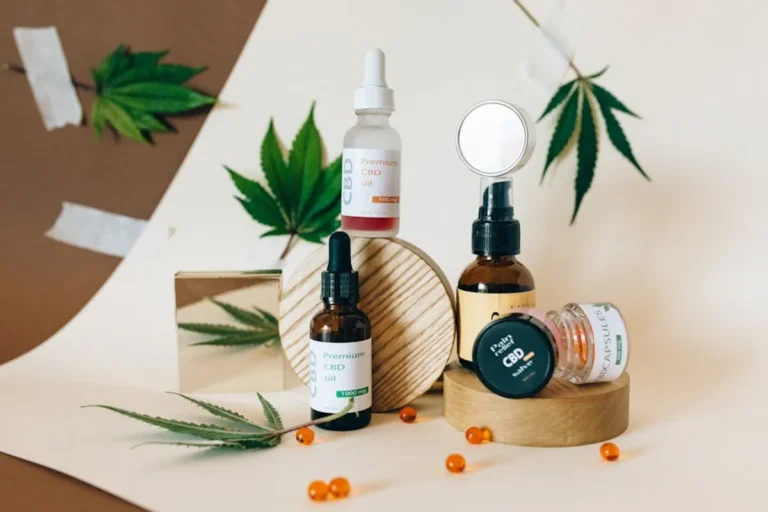
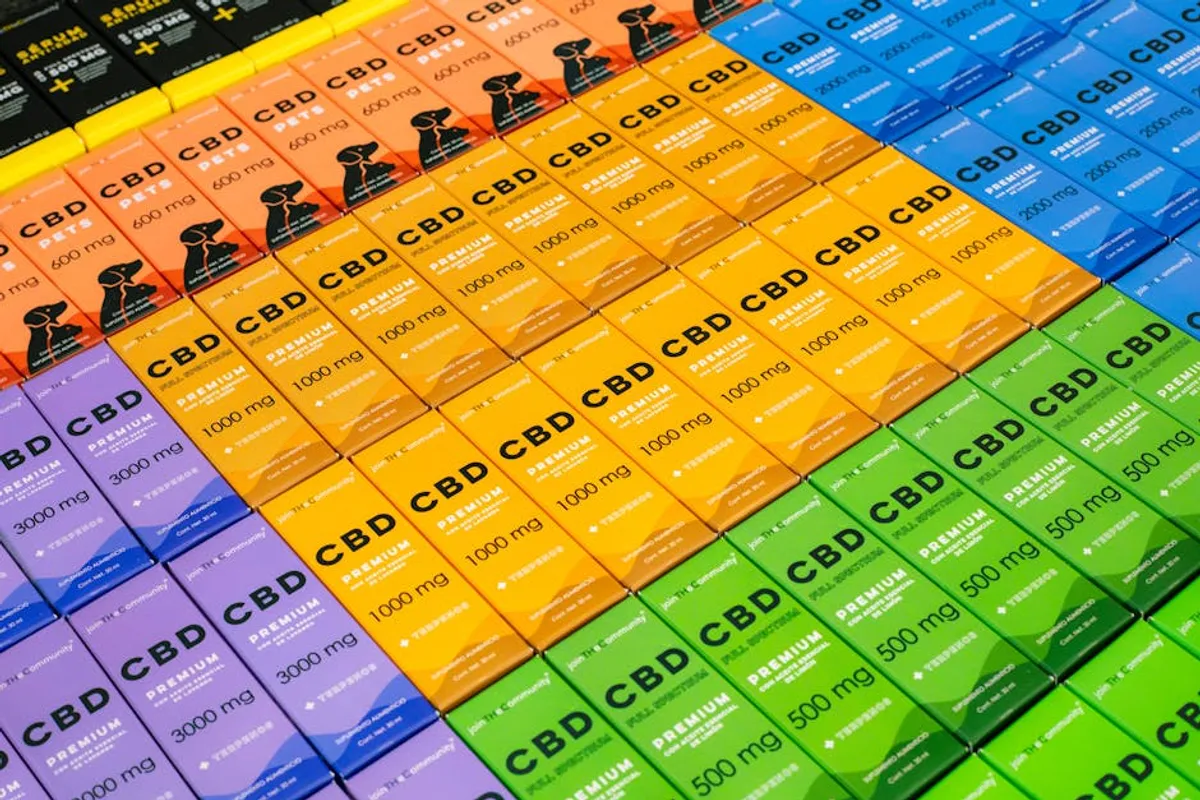
The CBD market presents a compelling, albeit complex, landscape for affiliate marketers. Its rapid expansion, driven by increasing consumer acceptance and evolving legal frameworks, has opened significant revenue channels. However, the sector is also characterized by stringent regulatory oversight, payment processing challenges, and a rapidly maturing competitive environment. For those considering entry, understanding these dynamics upfront is crucial for building a sustainable and compliant affiliate business.
Understanding the CBD Affiliate Landscape
Market Dynamics and Growth Projections
The global market for cannabidiol (CBD) products has experienced exponential growth, projected to reach substantial valuations within the next decade. This expansion is fueled by increasing consumer awareness regarding potential wellness applications, alongside broader legalization trends. For affiliates, this translates into a large and expanding audience base, with diverse product categories ranging from tinctures and edibles to topicals and pet products. The commercial opportunity stems from this broad appeal and the continuous introduction of new, specialized product formulations addressing various consumer needs. Early movers and those who establish authority in specific niches are best positioned to capture market share.
Regulatory Environment
Navigating the regulatory landscape is a primary challenge for CBD affiliates. In the United States, the Food and Drug Administration (FDA) currently prohibits the marketing of CBD as a dietary supplement or as an ingredient in food and beverages, and it maintains strict rules against making unverified health claims. State-level regulations vary widely, impacting product legality, permissible dosages, and advertising guidelines. Internationally, rules differ significantly by country, creating a fragmented environment. Affiliates must remain vigilant about these evolving legal standards, as non-compliance can lead to severe penalties, including fines, advertising bans, and reputational damage for both the affiliate and the brands they promote.
Benefits of Promoting CBD Affiliate Products
Despite the complexities, the CBD affiliate sector offers several distinct advantages for marketers:
- High Market Demand: Consumer interest in CBD products continues to rise, creating a consistent audience for educational content and product recommendations. This sustained demand reduces the effort required to generate initial interest.
- Diverse Product Range: The variety of CBD products available—including oils, capsules, edibles, topicals, and pet products—allows affiliates to target specific niches and consumer preferences, enabling tailored content strategies.
- Potentially High Commission Rates: Due to the average order value of CBD products, many affiliate programs offer competitive commission percentages, often ranging from 15% to 30% or higher, translating to significant earnings per conversion.
- Recurring Revenue Potential: Many CBD brands offer subscription services for their products. Affiliates who refer customers to these programs can earn recurring commissions, building a more stable income stream over time.
- Low Barrier to Entry: As an affiliate, there is no need to manage inventory, shipping, or customer service, reducing operational overhead and allowing focus on content creation and audience engagement.
Navigating the Risks and Challenges
The commercial viability of CBD affiliate marketing is directly tied to an affiliate's ability to mitigate inherent risks:
Regulatory Compliance and Health Claims: The most significant risk is violating advertising regulations by making unsubstantiated health claims. Affiliates must strictly adhere to FDA and FTC guidelines, avoiding any language that suggests CBD can diagnose, treat, cure, or prevent diseases. Content should focus on general wellness benefits, product features, and user experiences, always backed by disclaimers.
Payment Processor Volatility: Due to the "high-risk" classification of the cannabis industry, payment processing for CBD businesses can be unstable. Affiliate payouts may be delayed, frozen, or programs might suddenly cease operations if their payment gateways encounter issues. This necessitates partnering with established brands that demonstrate stable financial infrastructure.
Product Quality and Brand Reputation: The market includes products of varying quality. Promoting a low-quality or non-compliant product can severely damage an affiliate's credibility. Thorough due diligence, including reviewing third-party lab reports (Certificates of Analysis, or COAs) for cannabinoid content and purity, is essential before endorsing any brand.
Market Saturation and Competition: As the market matures, competition for organic search rankings and audience attention intensifies. Differentiating content through unique angles, deep expertise, or a highly targeted niche becomes critical for visibility and conversion.
Pro Tip: Prioritize regulatory compliance above all else. Regularly review FDA and FTC guidance on CBD marketing. Implement clear disclaimers on all promotional content, stating that CBD products are not intended to diagnose, treat, cure, or prevent any disease. This proactive approach protects your affiliate business and maintains consumer trust.
Key Considerations for Affiliate Success
Partner Selection Criteria
Choosing the right affiliate programs is fundamental. Evaluate potential partners based on several key factors:
- Transparency and Compliance: Look for brands that provide readily accessible, up-to-date third-party lab results (COAs) for all products. They should also demonstrate a clear understanding of and adherence to regulatory guidelines in their own marketing.
- Product Quality and Variety: Assess the quality of their product line, ingredient sourcing, and manufacturing processes. A diverse product range allows for broader audience targeting.
- Affiliate Support: Strong programs offer dedicated affiliate managers, robust reporting dashboards, timely payouts, and a library of compliant marketing assets.
- Commission Structure and Cookie Duration: Understand the commission rates, payout thresholds, and the cookie window (how long a referral is tracked). Higher rates and longer cookie durations generally offer better earning potential.
- Brand Reputation: Partner with brands that have positive customer reviews, a strong online presence, and a commitment to customer satisfaction.
Content Strategy and Compliance
Your content must be both engaging and compliant. Focus on educational content that addresses common consumer questions about CBD, its uses, and how to choose quality products. Instead of making direct health claims, frame discussions around general wellness, specific product features, and user experiences. Utilize long-tail keywords to capture highly specific search intent. Ensure all content includes prominent disclaimers regarding FDA regulations and the non-medical nature of CBD products. Building topical authority through comprehensive, well-researched articles, guides, and reviews will differentiate your efforts in a crowded market.
Building a Sustainable CBD Affiliate Business
Success in the CBD affiliate space requires a strategic, long-term approach. Focus on becoming a trusted resource for your audience by consistently providing accurate, compliant, and valuable information. Continuously monitor regulatory changes and adapt your content and promotional strategies accordingly. Diversify your partnerships to mitigate risks associated with any single program or payment processor. By prioritizing transparency, education, and ethical marketing practices, affiliates can build a resilient business that capitalizes on the market's growth while navigating its inherent complexities.
Frequently Asked Questions
Are CBD affiliate programs legal?
Yes, participating in CBD affiliate programs is generally legal, provided the products comply with federal and state laws in the target market, and all promotional content adheres to advertising regulations, particularly regarding health claims.
What commission rates can I expect from CBD affiliate programs?
Commission rates vary widely but typically range from 15% to 35% of the sale value. Factors influencing this include the product type, brand, and the affiliate's performance tier.
How do I ensure the CBD products I promote are high quality?
Always verify that brands provide current, third-party Certificates of Analysis (COAs) for all products, confirming cannabinoid content and absence of contaminants. Research brand reputation and customer reviews thoroughly.
Can I make health claims about CBD products in my affiliate content?
No. The FDA prohibits making unverified health claims about CBD products. Affiliate content must strictly avoid any language suggesting CBD can diagnose, treat, cure, or prevent diseases to remain compliant.