Joint mobility relies on the integrity of synovial fluid and the management of systemic inflammation. While many consumers turn to hemp oil as a natural alternative to pharmaceutical interventions, managing expectations requires an understanding of its lipid profile. Hemp oil, specifically derived from the seeds of the Cannabis sativa plant, functions primarily as a nutritional dense-pack of essential fatty acids (EFAs) rather than a fast-acting analgesic. For those seeking to improve range of motion or reduce morning stiffness, the efficacy of hemp oil is found in its specific 3:1 ratio of Omega-6 to Omega-3 fatty acids.
The Lipid Profile and Prostaglandin Synthesis
The primary mechanism by which hemp oil supports joint health is through the presence of Gamma-Linolenic Acid (GLA) and Stearidonic Acid (SDA). Unlike standard vegetable oils, hemp oil contains significant concentrations of GLA, an omega-6 fatty acid that the body converts into Dihomo-gamma-linolenic acid (DGLA). This conversion is critical because DGLA is a precursor to Prostaglandin E1 (PGE1), a lipid compound that actively suppresses inflammation within the joint capsule.
Best for: Individuals dealing with chronic stiffness rather than acute injury. Because it works through metabolic pathways, the benefits are cumulative rather than immediate.
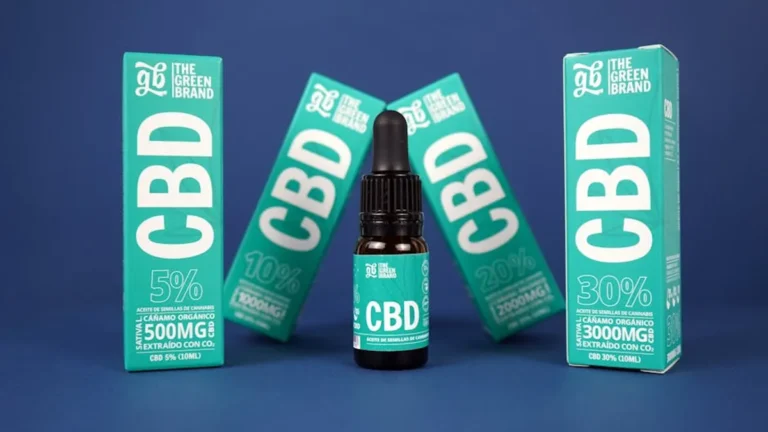
For site owners and publishers in the wellness space, it is vital to distinguish between "hemp seed oil" and "CBD oil." Hemp seed oil contains negligible amounts of cannabinoids. Its value proposition is strictly nutritional and structural. It provides the building blocks for healthy cell membranes and maintains the viscosity of the fluid that prevents bone-on-bone friction.
Timeline of Expected Results
One of the most frequent points of friction for new users is the perceived lack of immediate effect. Hemp oil is not an NSAID; it does not block COX-2 enzymes within thirty minutes. Instead, it alters the fatty acid composition of cell membranes over time. Users should expect a phased response:
- Week 1-2: Minimal noticeable change in joint pain, though some may report improved skin hydration or digestion due to the healthy fats.
- Week 3-4: A gradual reduction in "morning rust"—the stiffness felt immediately upon waking. This indicates that the GLA is beginning to influence prostaglandin production.
- Month 2 and beyond: Sustained improvement in overall joint flexibility and a decrease in the frequency of inflammatory flare-ups.
Warning: Hemp oil is highly susceptible to oxidative rancidity. Because of its high polyunsaturated fat content, exposure to light, heat, or oxygen will break down the beneficial fatty acids, rendering the oil ineffective and potentially pro-inflammatory. Always store hemp oil in a dark glass bottle in the refrigerator.
Topical vs. Oral Administration for Mobility
The method of delivery significantly impacts the outcome. Oral consumption is the most effective way to address systemic inflammation. A standard dose of one to two tablespoons daily provides the necessary EFA profile to support the entire musculoskeletal system. However, for localized joint issues—such as a specific knee or wrist—topical application can serve as a useful adjunct.
When applied topically, hemp oil acts as an occlusive emollient. While it may not penetrate deep enough to reach the cartilage directly, it can soothe the surrounding soft tissue and improve local circulation. For maximum commercial utility, look for products that combine hemp oil with carriers like emu oil or menthol, which act as penetration enhancers to drive the fatty acids deeper into the dermal layers.
Evaluating Product Quality for Joint Support
Not all hemp oils are formulated for therapeutic use. To ensure the oil is capable of supporting joint mobility, several technical specifications must be met:
Cold-Pressed Extraction
Heat is the enemy of EFA integrity. Ensure the oil is labeled as "cold-pressed" or "raw." This indicates the oil was extracted at temperatures below 120°F (49°C), preserving the delicate GLA and SDA chains. Solvent-extracted oils (using hexane) should be avoided as they may contain residual chemicals that trigger the very inflammation you are trying to resolve.
Chlorophyll Content
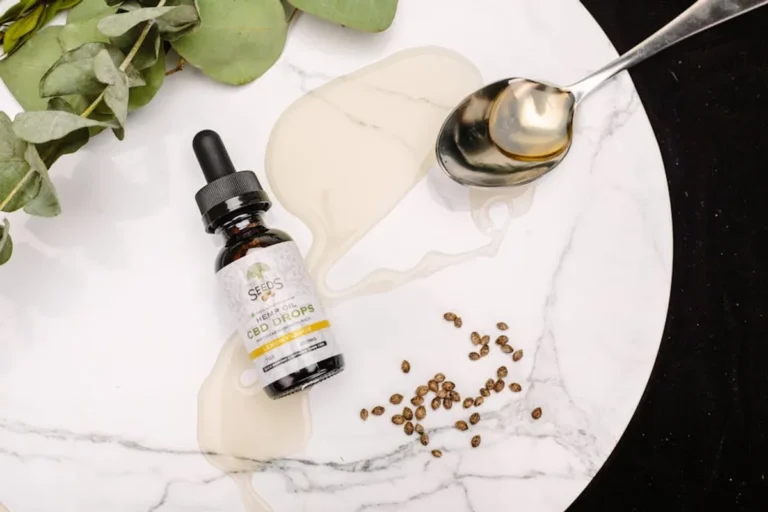
High-quality hemp oil should have a deep green hue. This color indicates the presence of chlorophyll, which has its own antioxidant properties. Clear or pale yellow hemp oil has likely been overly refined or bleached, a process that strips away the minor polar lipids and antioxidants that protect the fatty acids from breaking down in the body.
Integration into a Mobility Regimen
Hemp oil should be viewed as a foundational supplement rather than a standalone cure. To maximize its impact on joint mobility, it should be paired with low-impact movement. The movement helps circulate the synovial fluid, while the hemp oil provides the nutrients necessary to keep that fluid healthy. For marketers and publishers, positioning hemp oil as a "lubricant for the machine" is a technically accurate and commercially effective angle.
It is also worth noting that the high Omega-6 content in hemp oil, while balanced by Omega-3s, requires a diet that isn't already overloaded with processed seed oils (like soybean or corn oil). If a user's diet is heavily skewed toward pro-inflammatory fats, the benefits of hemp oil for joint mobility will be significantly diluted.
Maximizing the Efficacy of Your Hemp Oil Protocol
To get the most out of a hemp oil regimen, consistency is the primary variable. Missing doses interrupts the steady-state concentration of GLA in the tissues. Furthermore, because these are fats, they should be consumed with a meal that contains some fiber and protein to slow gastric emptying and improve absorption. If using the oil in liquid form, it can be added to smoothies or used as a salad dressing, but it should never be used for high-heat cooking.
Common Questions Regarding Hemp Oil and Joint Health
Will hemp oil show up on a drug test?
No. Hemp seed oil is derived from the seeds of the plant, which do not contain THC. Even if trace amounts were present due to contact with the plant's resin, they would be well below the detection thresholds for standard workplace drug screenings.
Is hemp oil more effective than fish oil for joints?
They offer different benefits. Fish oil is higher in EPA and DHA, which are potent anti-inflammatories. However, hemp oil provides GLA, which is not found in significant amounts in fish oil. For many, a combination of both provides a broader spectrum of fatty acid support.
Can I use hemp oil if I am on blood thinners?
High doses of Omega-3 fatty acids can have a mild blood-thinning effect. If you are taking anticoagulant medications like Warfarin or Aspirin, consult with a physician before adding large therapeutic doses of hemp oil to your daily routine.
How much hemp oil should I take for joint pain?
A standard starting point is 15ml (one tablespoon) per day. If no changes in mobility are noted after four weeks, the dose can be increased to 30ml, provided it does not cause gastrointestinal upset.