
Building a review article for CBD products demands a meticulous approach, not just for consumer trust but for regulatory compliance. The landscape for cannabidiol (CBD) content is uniquely sensitive, requiring publishers to navigate evolving legal frameworks while delivering genuinely useful, verifiable information. The objective is to create content that educates potential buyers without making unsubstantiated claims, ensuring both safety for the reader and commercial viability for the publisher. This involves a structured methodology for product vetting, content creation, and disclosure that prioritizes accuracy and transparency above all else.
Navigating the Regulatory Framework for CBD Content
The foundation of any safe CBD product review article rests on a clear understanding of the current legal and advertising guidelines. In the United States, the Food and Drug Administration (FDA) has not approved CBD as a dietary supplement and prohibits companies from making therapeutic claims about CBD products. This directly impacts how review content must be framed. Publishers must remain current on federal and state-specific regulations, as these can vary significantly and are subject to frequent change.
Key considerations include:
- FDA Stance: Avoid any language that implies CBD products can diagnose, treat, cure, or prevent any disease. This applies to both direct claims and subtle suggestions.
- Advertising Guidelines: Platforms like Google Ads and social media have strict policies regarding CBD advertising, often prohibiting it entirely or allowing it only under specific, limited circumstances. While this pertains to paid media, the sentiment against unsubstantiated claims permeates organic content moderation as well.
- State-Specific Laws: Some states have more permissive or restrictive laws regarding CBD sales and marketing. While a review article is not a sales platform, understanding these nuances can inform the context and disclaimers needed.
Failure to adhere to these guidelines risks not only legal repercussions but also significant damage to publisher credibility and search engine visibility. Search algorithms increasingly prioritize authoritative, trustworthy content, especially in YMYL (Your Money Your Life) niches like health and wellness.
Rigorous Product Vetting and Sourcing Transparency
The integrity of a CBD product review begins long before writing, with the selection and vetting of the products themselves. Publishers must establish a robust protocol for evaluating products to ensure safety and quality, which then informs the review's content.
Prioritizing Third-Party Lab Testing (COAs)
Every CBD product featured in a review must be accompanied by a Certificate of Analysis (COA) from an independent, ISO 17025-accredited third-party laboratory. This document is non-negotiable for verifying product claims. A comprehensive COA should confirm:
- Cannabinoid Profile and Potency: Verifies the CBD content matches the label and ensures THC levels are below the legal limit (0.3% for hemp-derived products in the U.S.).
- Absence of Contaminants: Tests for heavy metals (lead, mercury, arsenic), pesticides, residual solvents (from extraction processes), and microbial contaminants (mold, bacteria).
Publishers should analyze these COAs critically, linking directly to them within the review article for full transparency. Summarizing the key findings, such as "Product X contains 25mg CBD per serving and tested non-detect for pesticides," provides concrete, verifiable data for the reader. Analyzing these reports also helps identify red flags in product labeling that readers should be aware of.
Ingredient Transparency and Manufacturing Practices
Beyond cannabinoids, the entire ingredient list must be scrutinized. Reviews should highlight:
- Carrier Oils: (e.g., MCT oil, hemp seed oil) and their source.
- Additional Ingredients: (e.g., terpenes, flavorings) and whether they are natural or artificial.
- Manufacturing Certifications: Look for Good Manufacturing Practices (GMP) certification, organic certifications, or other quality assurance seals. These indicate a commitment to quality control throughout the production process.
Crafting the Review Narrative: Focus on Verifiable Attributes
When writing the review, the language must be precise, descriptive, and entirely free of medical claims or guarantees of efficacy. The focus should be on observable product attributes and the user experience, carefully framed.
Describing Product Characteristics
Instead of discussing health benefits, describe:
- Taste and Aroma: "The oil has a distinct earthy flavor with subtle citrus notes," or "The balm has a light, herbal scent."
- Texture and Consistency: "A smooth, non-greasy topical cream," or "A medium-viscosity oil that absorbs quickly."
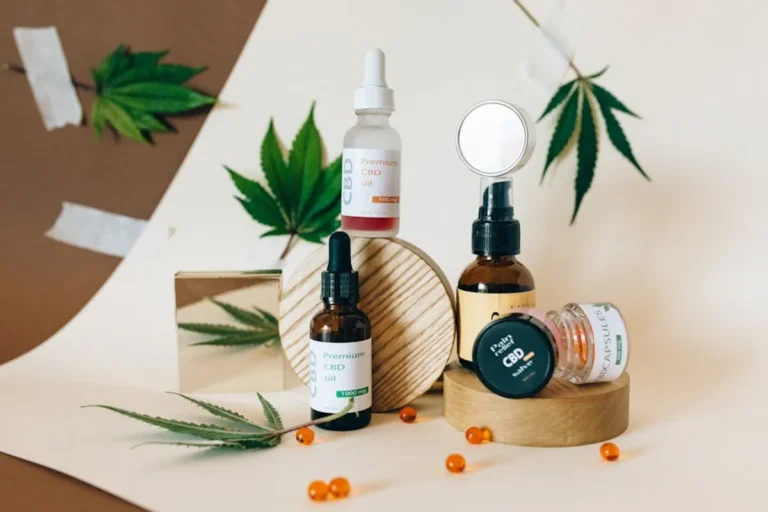
- Packaging and Dosing: "Comes in a dark glass bottle with a clear dropper marked for precise dosing," or "Gummies are individually wrapped for convenience."
Framing User Experience
When discussing effects, use cautious, subjective language and attribute experiences to individuals, rather than making universal claims. For example, instead of "This CBD oil reduces anxiety," phrase it as "Users often report feeling a sense of calm after using this product," or "Anecdotal feedback suggests it contributes to relaxation." Always emphasize that individual results vary and that CBD is not a substitute for medical advice or treatment.
Pro Tip: To maintain strict compliance and build reader trust, explicitly state in your review methodology that you do not make medical claims. Focus on presenting verifiable data from COAs and describing sensory product attributes. Any discussion of effects should be framed as subjective user experience or anecdotal evidence, never as guaranteed medical outcomes.
Structuring the Safe CBD Review Article
A well-structured review enhances readability and reinforces credibility. Key sections should include:
- Product Overview: Brand, product type, potency, price range.
- Ingredient Analysis: Detailed breakdown, emphasizing natural vs. artificial, and source.
- Third-Party Lab Results: A clear summary of COA findings, with direct links to the full reports. Highlight cannabinoid content and contaminant screening.
- User Experience (Carefully Framed): Subjective observations on taste, texture, ease of use, and general feelings reported by users, always with disclaimers.
- Pros and Cons: Based on objective criteria (e.g., "Pro: Organic ingredients," "Con: Higher price point").
- Disclaimers: Prominently displayed, covering "not medical advice," "individual results vary," and affiliate disclosures.
Integrating Disclosures and Disclaimers
Transparency is paramount. Every CBD review article must include clear, conspicuous disclosures:
- Affiliate Disclosures: If the article contains affiliate links, clearly state that the publisher may earn a commission from purchases made through those links. This builds trust by being upfront about commercial relationships.
- Medical Disclaimer: A prominent statement that the content is for informational purposes only and not intended as medical advice, diagnosis, or treatment. It should advise readers to consult with a healthcare professional before using any CBD product.
- FDA Disclaimer: A statement acknowledging that CBD products are not FDA-approved and that claims have not been evaluated by the FDA.
Sustaining Trust and Authority Through E-E-A-T
For search engines, especially in the health niche, demonstrating Experience, Expertise, Authoritativeness, and Trustworthiness (E-E-A-T) is critical. For CBD reviews, this means:
- Author Expertise: Clearly identify the author with a bio that highlights relevant qualifications (e.g., background in consumer product analysis, chemistry, or journalism focused on regulatory affairs). Generic author profiles undermine trust.
- Clear Methodology: Detail the process used for product selection, testing, and review writing. This shows rigor and objectivity.
- Citations and External Links: Link to reputable sources such as government health organizations, scientific studies, or official regulatory bodies when discussing background information or regulations.
- Regular Updates: The CBD market and its regulations evolve rapidly. Regularly review and update articles to ensure accuracy and compliance.
Building Trust, One Review at a Time
Constructing a safe CBD product review article is a multi-faceted endeavor that extends beyond simple product description. It demands a deep commitment to regulatory compliance, consumer safety, and journalistic integrity. By meticulously vetting products through third-party lab results, framing content with verifiable attributes, and providing transparent disclosures, publishers can build a reputation for trustworthiness. This approach not only protects the publisher from legal and reputational risks but also genuinely serves the audience seeking reliable information in a complex market. The long-term commercial value of CBD content is intrinsically linked to its perceived safety and accuracy.
Frequently Asked Questions
Can I make health claims about CBD in my review article?
No. The FDA prohibits companies from making therapeutic claims about CBD products. Review articles must avoid any language that suggests CBD can diagnose, treat, cure, or prevent any medical condition.
How important are third-party lab results (COAs) for a CBD review?
Third-party COAs are critically important. They provide verifiable data on cannabinoid potency and confirm the absence of harmful contaminants, forming the objective backbone of a safe and trustworthy review.
What essential disclaimers should a CBD product review include?
Every review should include a medical disclaimer (content is not medical advice), an FDA disclaimer (claims not evaluated by FDA), and an affiliate disclosure (if applicable) to maintain transparency and compliance.
How can I ensure my CBD review content ranks well in search engines?
Focus on demonstrating E-E-A-T (Experience, Expertise, Authoritativeness, Trustworthiness) by providing clear author credentials, a transparent review methodology, linking to reputable sources, and regularly updating content for accuracy and compliance.