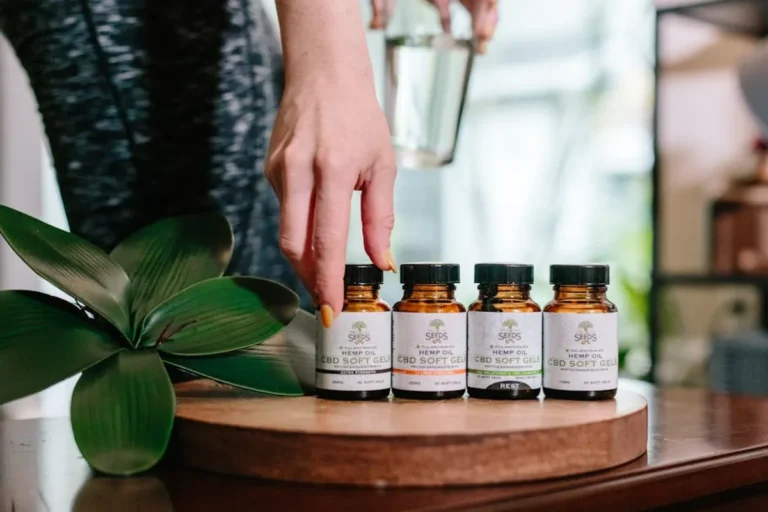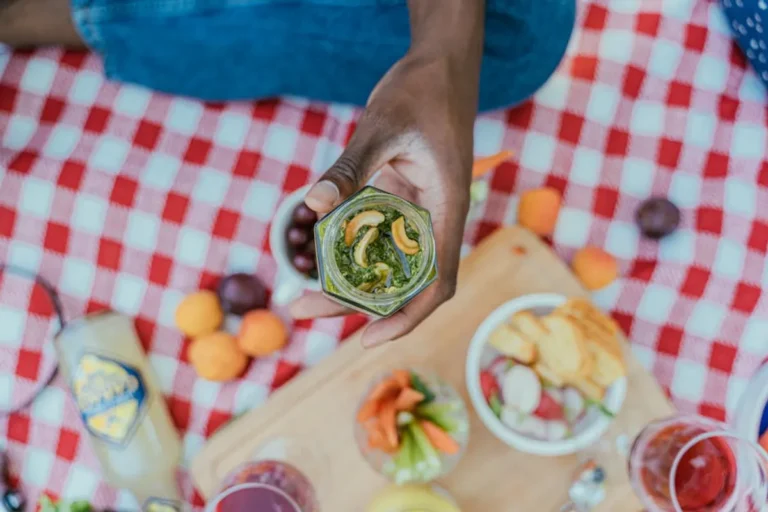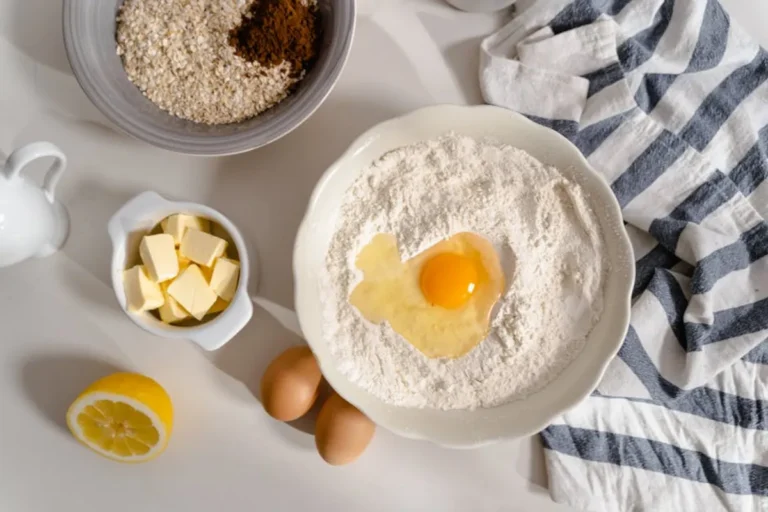
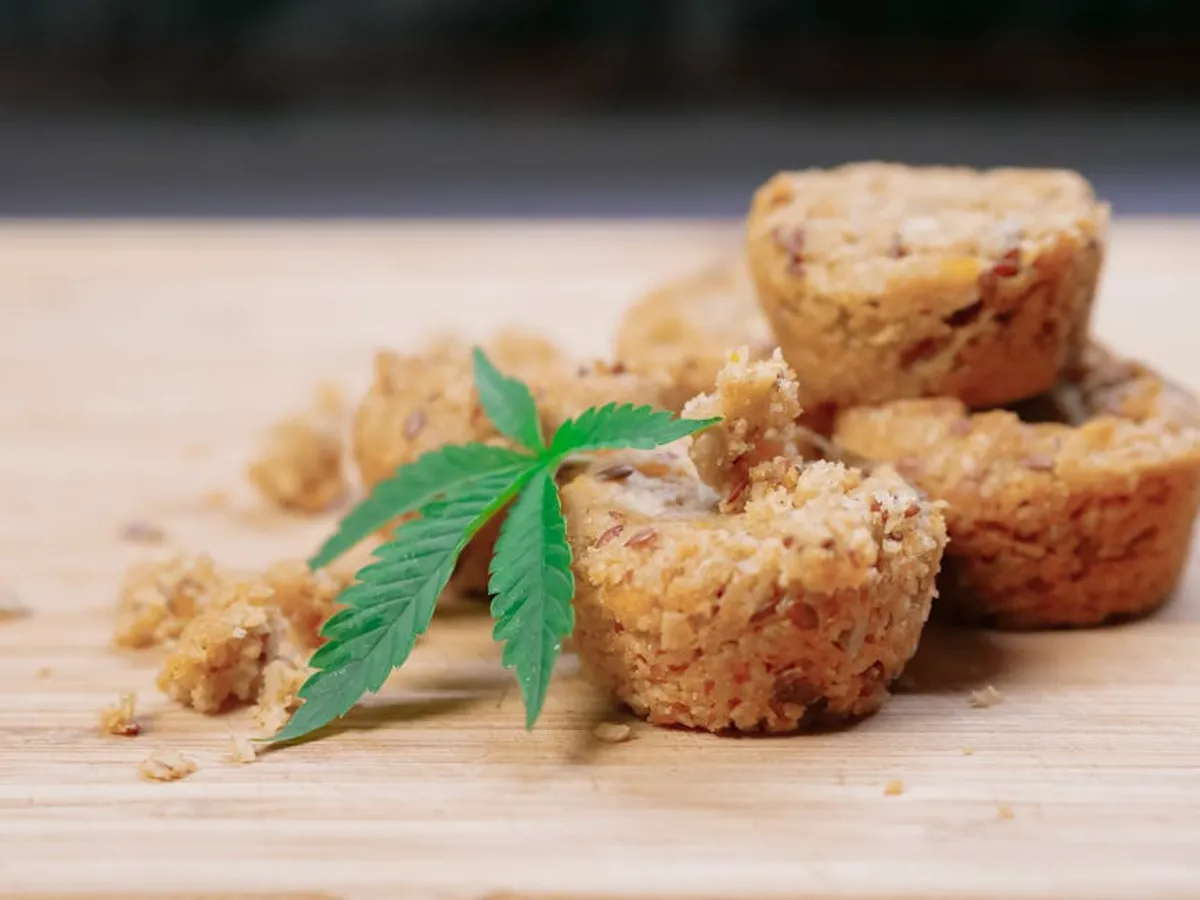
Hemp oil is often sidelined as a supplement, yet its culinary profile offers a distinct competitive advantage for those prioritizing nutrient density without sacrificing flavor. Unlike neutral oils that merely provide a fat base, unrefined hemp seed oil delivers a rich, nutty profile and a 3:1 ratio of Omega-6 to Omega-3 fatty acids. Because hemp oil has a low smoke point of approximately 330°F (165°C), it is chemically unsuitable for high-heat cooking. The most efficient way to extract its value is through cold applications, specifically raw salad dressings that preserve its delicate Gamma-Linolenic Acid (GLA) content. This profile also makes hemp oil ideal for cold pressed oil dips.
Creating a professional-grade hemp oil dressing requires an understanding of emulsification and acid balance. You are not just mixing ingredients; you are creating a stable suspension that coats greens evenly while masking the slight bitterness inherent in high-quality, cold-pressed oils. This guide outlines a high-yield base recipe and the technical variations needed to adapt it to different flavor profiles.
The Essential 5-Minute Hemp Vinaigrette
This base recipe serves as the foundation for more complex dressings. It prioritizes the earthy notes of the hemp oil while using acidity to cut through the density of the fats. For the best results, use a high-speed blender or a heavy-duty whisk to ensure the emulsion does not break within minutes of preparation.
Yield: Approximately 1 cup (8 servings)
Prep Time: 5 minutes
Best for: Microgreens, kale salads, and roasted root vegetables (added after cooling).
- 1/2 cup cold-pressed hemp seed oil
- 1/4 cup organic apple cider vinegar (with "the mother" for enzymatic benefits)
- 1 tablespoon Dijon mustard (acts as the primary emulsifier)
- 1 tablespoon raw honey or maple syrup (to balance the chlorophyll notes)
- 1 clove garlic, finely minced or pressed
- 1/2 teaspoon sea salt
- 1/4 teaspoon freshly cracked black pepper
To prepare, combine the vinegar, mustard, sweetener, and aromatics in a small bowl. Slowly stream in the hemp oil while whisking vigorously. The mustard contains mucilage that surrounds the oil droplets, preventing them from coalescing. If using a jar, shake for at least 60 seconds until the mixture reaches a uniform, creamy green consistency.
Pro Tip: Never expose hemp oil to direct sunlight or heat during the mixing process. High-quality hemp oil is photosensitive and thermolabile; exposure to light or temperatures above room level can trigger oxidation, turning the flavor profile from nutty to unpleasantly metallic.
Optimizing the Flavor Profile for Specific Greens
The "green" flavor of hemp oil is assertive. Depending on the produce you are using, you may need to adjust the acid-to-fat ratio or introduce secondary fats to soften the palate. A 2:1 oil-to-acid ratio is standard for hemp oil, whereas a 3:1 ratio is common for milder oils like extra virgin olive oil.
The Citrus Variation for Bitter Greens
When working with arugula or radicchio, the bitterness of the greens can clash with the hemp oil. Replace the apple cider vinegar with fresh lemon or lime juice. The citric acid provides a sharper "top note" that cleanses the palate. Adding a teaspoon of lemon zest introduces essential oils that bridge the gap between the earthy hemp and the sharp citrus.
The Creamy Hemp-Tahini Hybrid
For a denser dressing suitable for grain bowls or as a dip, combine 1/4 cup hemp oil with 1/4 cup hulled tahini. Tahini provides a structural creaminess and a complementary toasted flavor. Because tahini is highly absorbent, you will likely need to add 2 tablespoons of warm water to achieve a pourable viscosity. This version is particularly high in plant-based calcium and protein.
Technical Sourcing: Identifying High-Quality Hemp Oil
The success of a 5-minute dressing depends entirely on the quality of the raw material. Low-grade hemp oil often tastes "fishy" or overly grassy because it has already begun to oxidize on the shelf. When sourcing oil for culinary use, prioritize the following technical specifications:
Color: The oil should be a deep, translucent emerald green. A pale or yellow hue indicates excessive processing or stripping of the chlorophyll and antioxidants. A dark, opaque brown suggests the oil is old and likely rancid.
Packaging: Only purchase hemp oil sold in dark glass or opaque BPA-free plastic bottles. Light penetration accelerates the breakdown of polyunsaturated fats. If the oil is on a room-temperature shelf in a clear bottle, it is a poor candidate for a raw dressing.
Storage: Upon opening, hemp oil must be stored in the refrigerator. While it will not solidify like coconut oil, it will thicken slightly. For the best emulsion, let the oil sit at room temperature for 5 minutes before whisking, then return the bottle immediately to cold storage.
Advanced Emulsification Techniques
A common failure point in homemade dressings is separation. If you are preparing this dressing in bulk for the week, a simple whisking may not suffice. To create a long-term stable emulsion, use an immersion blender. The high-shear force breaks the hemp oil into much smaller droplets than a hand whisk can achieve. This increases the surface area of the oil, allowing the emulsifiers in the mustard or honey to coat the droplets more effectively, resulting in a dressing that stays unified for up to 7 days in the refrigerator.
Maximizing Nutritional Bioavailability
Using hemp oil in a salad dressing is not just a flavor choice; it is a strategic move for nutrient absorption. Many vitamins found in salad greens—specifically Vitamins A, D, E, and K—are fat-soluble. Without a high-quality lipid source, your body cannot effectively absorb these micronutrients. The specific fatty acid profile of hemp oil, including stearidonic acid (SDA), serves as a highly efficient carrier for these vitamins, ensuring that the metabolic "cost" of the meal is optimized for maximum return.
Maintaining Freshness and Potency
Because this dressing contains fresh garlic and unrefined oils, it should be treated as a perishable product. For the best flavor and nutritional potency, follow these logistics:
• Store in a glass Mason jar with a tight-sealing lid.
• Label the jar with the date of preparation.
• Consume within 5 to 7 days.
• If the dressing solidifies slightly in the fridge, do not microwave it. Simply run the jar under lukewarm water for 30 seconds and shake vigorously to restore the texture.
Frequently Asked Questions
Can I use hemp oil dressing for marinating meat?
You can use it as a cold marinade for pre-cooked proteins or as a finishing sauce. However, do not use it to marinate meat that will be placed on a high-heat grill or in a hot oven, as the hemp oil will smoke, lose its nutritional value, and develop an acrid taste.
Does hemp oil dressing contain THC or CBD?
Standard culinary hemp seed oil is pressed from the seeds of the industrial hemp plant, which contain negligible amounts of THC or CBD. These compounds are found primarily in the flowers and leaves. This dressing is non-psychoactive and safe for general consumption.
Why does my hemp oil dressing taste bitter?
A slight nuttiness with a hint of grass is normal. However, intense bitterness usually indicates rancidity or an imbalance in the recipe. Increase the amount of honey or maple syrup slightly, or add a pinch more salt to suppress the bitter receptors on your tongue.
Can I substitute hemp oil for olive oil in any recipe?
In cold applications like dressings, pestos, and dips, yes. In cooking applications involving heat, no. Hemp oil is a direct substitute for extra virgin olive oil in terms of volume, but it has a much stronger flavor profile that may require more acidity to balance.