Baking with hemp oil requires a fundamental shift in how you view culinary fats. Unlike butter or coconut oil, which are high in saturated fats and remain stable at high temperatures, hemp oil is composed primarily of polyunsaturated fatty acids (PUFAs). This chemical structure makes it highly sensitive to heat and oxygen. For commercial bakers and home enthusiasts alike, the decision to use hemp oil is often driven by its dense nutritional profile—specifically its 3:1 ratio of Omega-6 to Omega-3 fatty acids—and its distinct, earthy flavor. However, treating it like a standard neutral oil will result in a bitter, nutritionally depleted final product. Success depends on managing the smoke point, protecting the delicate terpene profile, and balancing the dominant organoleptic qualities of the oil.
The Thermal Limit: Managing the 330°F Smoke Point
The most critical technical constraint when baking with hemp oil is its low smoke point. Most unrefined, cold-pressed hemp oils begin to smoke and degrade at approximately 330°F (165°C). When an oil reaches its smoke point, the molecular structure breaks down, producing glycerol and free fatty acids, which eventually convert into acrolein—a substance that creates a harsh, acrid smell and a bitter taste.
Standard baking temperatures usually hover around 350°F to 375°F. To incorporate hemp oil without ruining the batch, you must employ one of three strategies:
- Lower Temperature Baking: Reduce your oven temperature to 300°F or 325°F and extend the baking time. This prevents the oil within the batter from reaching the threshold of degradation.
- The Hybrid Fat Method: Use hemp oil for only 25% to 50% of the total fat content, using a more stable fat like butter or avocado oil for the remainder. This maintains the structural integrity of the bake while providing the hemp oil’s flavor and nutrients.
- Post-Bake Application: Reserve the hemp oil for glazes, fillings, or drizzles that are applied after the base has cooled, bypassing the oven entirely.
Flavor Chemistry: Complementing the Nutty Profile
Hemp oil is not a neutral carrier. It possesses a robust, grassy, and distinctly nutty flavor that can easily overwhelm delicate ingredients. In professional recipe development, the goal is to treat hemp oil as a primary flavor component rather than a background fat. It pairs exceptionally well with ingredients that have enough "weight" to stand up to its earthiness.
Ideal Ingredient Pairings
Dark Chocolate and Cacao: The bitterness of high-percentage dark chocolate masks the more aggressive "green" notes of hemp oil, leaving behind a rich, nutty finish. This makes hemp oil an excellent choice for dense brownies or flourless chocolate cakes.
Strong Spices: Warm spices like ginger, nutmeg, and cloves complement the botanical nature of the oil. A spiced pumpkin bread or a ginger cake provides the perfect aromatic backdrop for hemp’s profile.
Acidic Balancers: Lemon zest or balsamic reductions can cut through the heavy mouthfeel of the oil, brightening the overall flavor of the baked good.
Pro Tip: Always taste your hemp oil before adding it to a batter. Because of its high PUFA content, hemp oil is prone to rapid oxidation. If the oil tastes like old paint or has a sharp, stinging back-note, it has gone rancid and will spoil the entire batch regardless of how much sugar or chocolate you add.
Nutrient Retention and Fatty Acid Stability
The primary commercial appeal of hemp oil is its status as a "superfood" fat. It contains Gamma-Linolenic Acid (GLA) and stearidonic acid, which are often lost during high-heat processing. When you bake with hemp oil, you are essentially balancing the desire for a specific texture with the goal of preserving these nutrients.
High temperatures cause the double bonds in polyunsaturated fats to break, leading to the formation of free radicals. If your objective is a health-focused product, keeping the internal temperature of the baked good below 300°F is essential. Since the internal temperature of a cake or muffin rarely reaches the oven's ambient temperature (usually staying around 210°F), the nutrients inside the batter are safer than those on the crust. However, the surface area exposed to direct heat will undergo the most significant chemical change.
Practical Substitution Strategies
When substituting hemp oil for other fats, you cannot always use a simple 1:1 ratio without adjusting the moisture balance. Hemp oil is 100% fat, whereas butter is approximately 80% fat and 15-20% water/milk solids. Replacing butter with hemp oil increases the total fat content and removes the water that would otherwise contribute to steam-leavening.
For Muffins and Quick Breads: You can typically replace canola or vegetable oil with hemp oil at a 1:1 ratio. Expect a denser crumb and a more moist interior.
For Cookies: Replacing butter with hemp oil will result in a cookie that spreads significantly more. To counteract this, increase the flour content slightly or chill the dough for at least four hours before baking to slow the fat’s melting rate in the oven.
Mixing and Emulsification
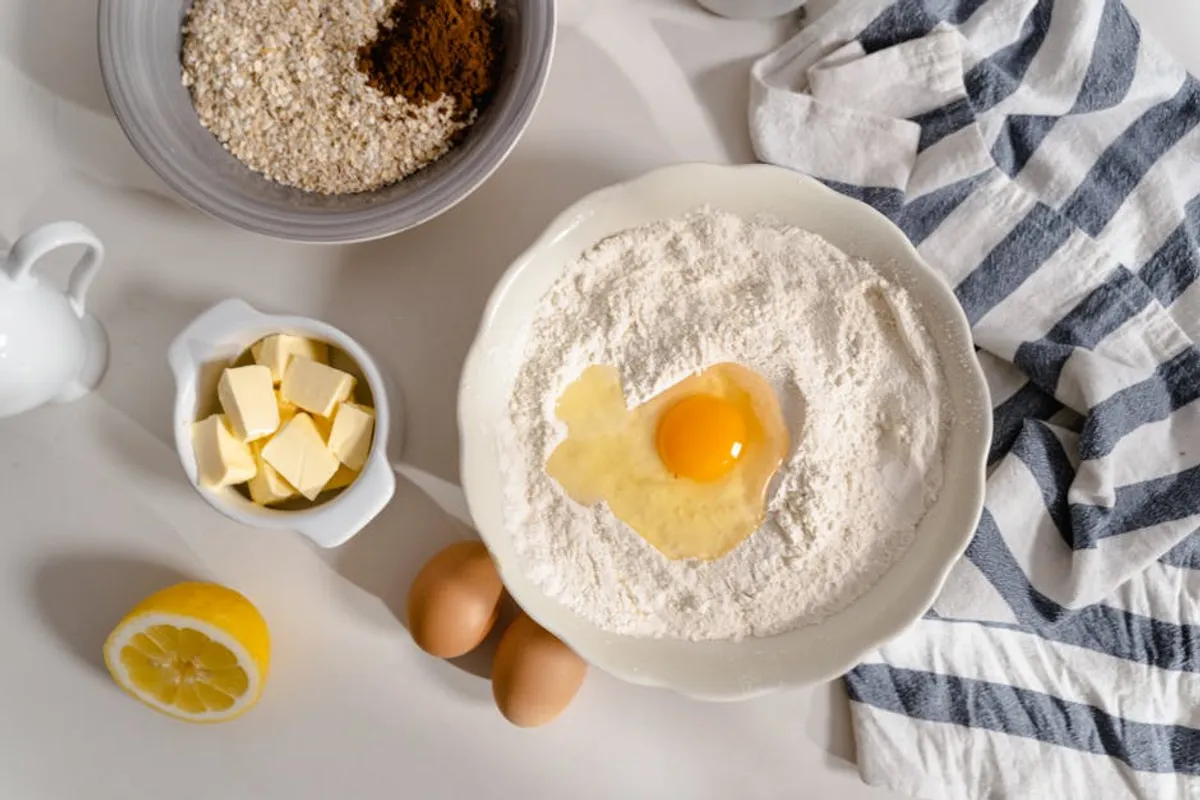
Hemp oil has a lower viscosity than many other oils. When mixing it into a batter, ensure you are using an emulsifier like eggs or lecithin to prevent the oil from seeping out of the finished product. A poorly emulsified hemp oil cake will often have an oily "bottom" and a dry top.
Storage and Shelf Life Post-Baking
The shelf life of a hemp-oil-based baked good is shorter than one made with saturated fats. Because the oil remains liquid at room temperature and is highly reactive to oxygen, the product can develop an "off" flavor within 48 hours if left on the counter. To maximize the commercial viability or home enjoyment of these goods, store them in airtight containers in the refrigerator. This slows the oxidative process and maintains the integrity of the fats. For long-term storage, hemp-based baked goods freeze exceptionally well, as the high fat content prevents the crumb from becoming overly dry during the freezing and thawing process.
Actionable Steps for Successful Hemp Baking
To achieve the best results, follow these specific operational steps before starting your recipe:
1. Check the Pressing Date: Only use oil that is within three months of its pressing date for the best flavor profile.
2. Calibrate Your Oven: Use an independent oven thermometer to ensure you aren't accidentally spiking above the 330°F threshold.
3. Sift Your Dry Ingredients: Because hemp oil provides a heavy mouthfeel, ensuring your flour and leavening agents are perfectly aerated is vital to prevent the bake from becoming leaden.
4. Use Opaque Packaging: If selling your goods, use packaging that blocks light. Photo-oxidation can degrade the hemp oil in your cookies just as easily as heat can.
Frequently Asked Questions
Can I use hemp oil for deep frying?
No. The smoke point of 330°F is far too low for deep frying, which typically requires temperatures between 350°F and 375°F. Using hemp oil for frying will result in toxic smoke and a ruined flavor.
Does hemp oil make baked goods green?
Yes, unrefined hemp oil has a deep chlorophyll content that will give light-colored batters a pale green or olive tint. This is why it is often paired with darker ingredients like chocolate or molasses where the color shift is less noticeable.
Is there a difference between hemp seed oil and CBD oil for baking?
Yes. Hemp seed oil is a culinary oil used in volume (tablespoons/cups) for fat content and flavor. CBD oil (hemp extract) is a potent supplement used in drops for its cannabinoid content. While you can bake with both, CBD oil is much more heat-sensitive and expensive, usually requiring even stricter temperature controls. Using hemp oil in recipes can add unique flavors and nutritional benefits to various dishes.
How do I stop my hemp oil cake from tasting like grass?
Balance the "green" notes by increasing the salt content slightly and using robust sweeteners like honey, maple syrup, or brown sugar, which provide a caramel-like contrast to the earthiness of the oil.