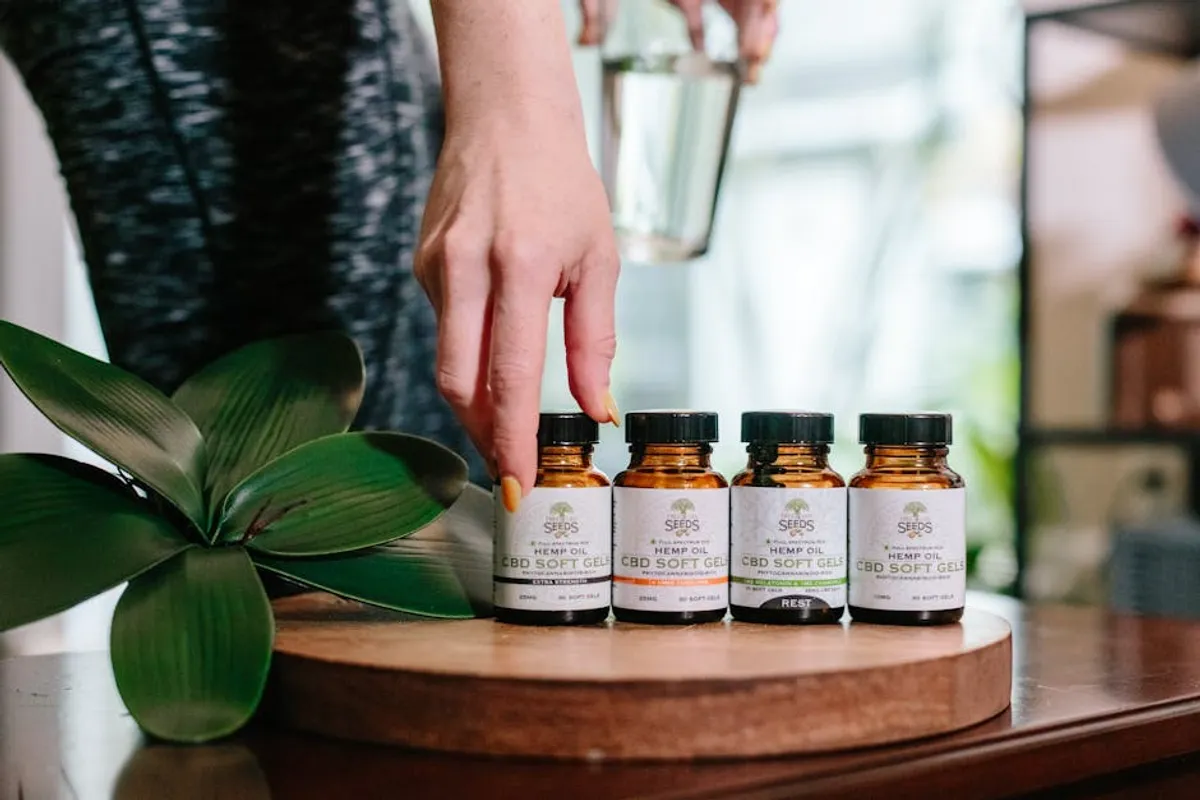
Standard hummus relies on olive oil for its creamy texture and Mediterranean profile. However, substituting or supplementing that base with high-quality hemp oil transforms the dip from a simple snack into a nutrient-dense functional food. Hemp oil provides a distinct earthy, nutty flavor that complements tahini while delivering a specific 3:1 ratio of Omega-6 to Omega-3 fatty acids, which is often missing from modern diets. This 5-minute recipe focuses on maintaining the integrity of the cold-pressed oil, ensuring the delicate polyunsaturated fats are not degraded by heat or improper processing.
The Nutritional Logic of Hemp-Infused Hummus
The primary advantage of using hemp oil over traditional vegetable oils is the presence of Gamma-Linolenic Acid (GLA) and stearidonic acid (SDA). While olive oil is prized for its monounsaturated fats, hemp oil offers a more complex lipid profile that supports skin health and inflammatory response. When paired with chickpeas—a source of complex carbohydrates and plant-based protein—the hemp oil slows the glycemic response, making the hummus a more stable energy source.
Best for: Post-workout recovery snacks, anti-inflammatory meal prep, and vegan diets requiring high-quality essential fatty acids.
Essential Ingredients for a 5-Minute Prep
Speed does not negate the need for quality. To achieve a restaurant-grade texture in five minutes, the sequence of ingredients and the state of the chickpeas are the two most critical variables.
- 1 can (15 oz) Chickpeas: For the smoothest texture, look for "no salt added" varieties and rinse them thoroughly to remove excess starch and aquafaba.
- 1/4 cup Cold-Pressed Hemp Oil: Ensure the oil is deep green, indicating minimal processing and high chlorophyll content.
- 1/3 cup Premium Tahini: Use a brand that is runny and well-stirred; thick, chalky tahini will result in a grainy hummus.
- 2 tbsp Fresh Lemon Juice: The acidity is required to cut through the heavy lipids of the hemp oil.
- 1 clove Fresh Garlic: Microplaned or finely minced to avoid raw chunks.
- 1/2 tsp Ground Cumin: This provides an aromatic bridge between the nuttiness of the hemp and the earthiness of the chickpeas.
- Ice Water: The secret to achieving the "fluffy" Mediterranean texture without adding excess fat.
The Technical Process: Emulsification and Aeration
Most home cooks make the mistake of dumping all ingredients into a processor at once. This results in a heavy, dense paste. To get a light, whipped consistency, you must emulsify the fats first.
Step 1: The Tahini-Lemon Base
Combine the tahini and lemon juice in the food processor first. Process for 30 to 60 seconds. This step aerates the tahini, turning it into a pale, thick cream. It creates a stable structure that will later hold the hemp oil in suspension.
Step 2: Incorporating Aromatics
Add the garlic, cumin, and sea salt. Pulse until fully integrated. By adding the garlic to the acidic lemon juice early, you "mellow" the harsh bite of the raw allicin, leading to a more sophisticated flavor profile that doesn't overpower the hemp oil's natural grassiness.
Step 3: The Chickpea Integration
Add half of the chickpeas and process for one minute. Scrape down the sides, add the remaining chickpeas, and process for another two minutes. The friction of the blades will slightly warm the mixture, which is why the next step involves temperature control.
Pro Tip: Never heat hemp oil before adding it to your hummus. Hemp oil has a low smoke point (approximately 330°F) and contains delicate fats that oxidize quickly. Always add it at the very end of the blending process or as a finishing drizzle to preserve its nutritional integrity and prevent a bitter aftertaste. Be mindful of hemp oil cooking temperature limits when preparing other dishes.
Step 4: The Hemp Oil and Ice Water Finish
While the processor is running, slowly stream in the cold-pressed hemp oil. Once incorporated, add 1 to 2 tablespoons of ice water. The cold water reacts with the fats to create a bright, white, and incredibly smooth emulsion. Stop processing as soon as the desired consistency is reached to avoid over-shearing the proteins in the chickpeas.
Flavor Profiles and Culinary Pairings
Hemp oil has a flavor profile often described as a mix of walnut and sunflower seeds with a finish of fresh-cut grass. This makes it more assertive than olive oil. To balance this, consider the following technical pairings:
Acidity Balance: If the hemp oil tastes too "green," increase the lemon juice or add a teaspoon of apple cider vinegar. The acid neutralizes the chlorophyll heavy-notes.
Spice Interaction: Smoked paprika or Aleppo pepper provides a capsaicin heat that works well with the cooling nature of hemp oil. Avoid using heavy dried herbs like oregano, which can compete with the oil's natural aromatics.
Storage and Oxidation Management
Because hemp oil is highly polyunsaturated, it is prone to oxidation when exposed to light, heat, and oxygen. Hemp oil hummus should be stored in an airtight glass container. Plastic containers are slightly permeable to oxygen, which can lead to the oil going rancid within 48 hours. When stored correctly in the coldest part of the refrigerator, the hummus will maintain its flavor and nutritional profile for up to four days.
For commercial or bulk preparation, adding a thin layer of hemp oil on top of the hummus before sealing the container creates a natural oxygen barrier, preserving the vibrant color of the dip underneath.
Maximizing the Bioavailability of Hemp Nutrients
The absorption of the fat-soluble vitamins found in hemp oil (specifically Vitamin E) is enhanced by the presence of the minerals in chickpeas and tahini. Zinc and magnesium, found in high concentrations in sesame seeds, act as co-factors for the enzymes that convert the ALA in hemp oil into longer-chain fatty acids like EPA. By consuming these ingredients together in a hummus format, you are optimizing the metabolic pathway for these essential nutrients.
Actionable Serving Suggestions
To maintain the "5-minute" promise while elevating the presentation, focus on textures that contrast the smoothness of the hemp-infused base.
- Top with Hemp Hearts: Adding raw hemp seeds provides a crunch that reinforces the flavor of the oil.
- Radish and Cucumber: Use high-water-content vegetables for dipping to balance the density of the tahini and hemp fats.
- Sumac Dusting: The tart, berry-like flavor of sumac provides a visual contrast to the green-tinted hummus and a sharp flavor peak.
Frequently Asked Questions
Can I use hemp seed oil for frying the garlic first?
No. Hemp oil should not be used for sautéing or frying. Its low smoke point means it will break down into polar compounds and lose its nutritional value. Always use it raw in the blending stage or as a garnish.
Why is my hemp oil hummus slightly green?
High-quality, cold-pressed hemp oil contains significant amounts of chlorophyll. This is a sign of a less-refined, nutrient-dense product. If you prefer a whiter hummus, reduce the hemp oil to 1 tablespoon and supplement the rest with a neutral oil, though you will lose the associated health benefits.
Does hemp oil hummus contain THC or CBD?
Culinary hemp seed oil is pressed from the seeds of the industrial hemp plant, which do not contain significant levels of THC or CBD. This recipe is strictly for nutritional and culinary purposes and will not produce any psychoactive effects.
How can I tell if my hemp oil has gone bad?
Fresh hemp oil should smell nutty and pleasant. If it smells like oil paint, fish, or has a harsh bitter sting at the back of the throat, it has oxidized. Always store your hemp oil in the refrigerator to extend its shelf life.