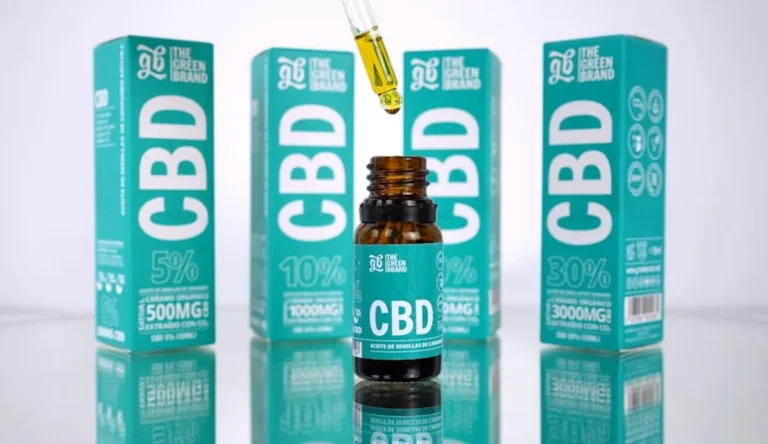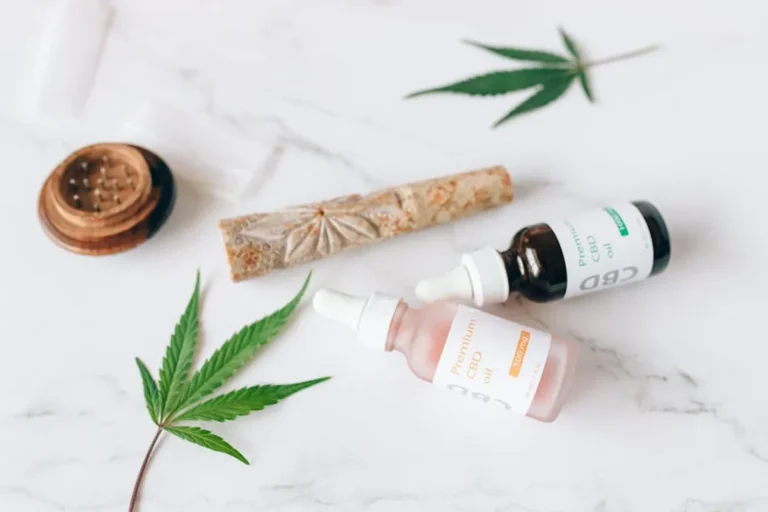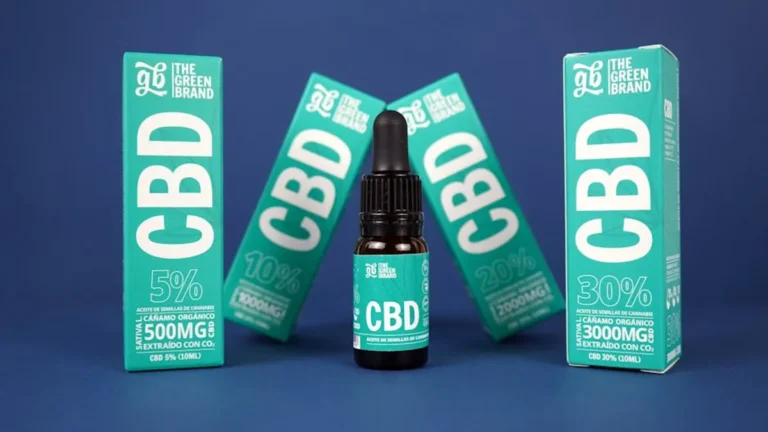
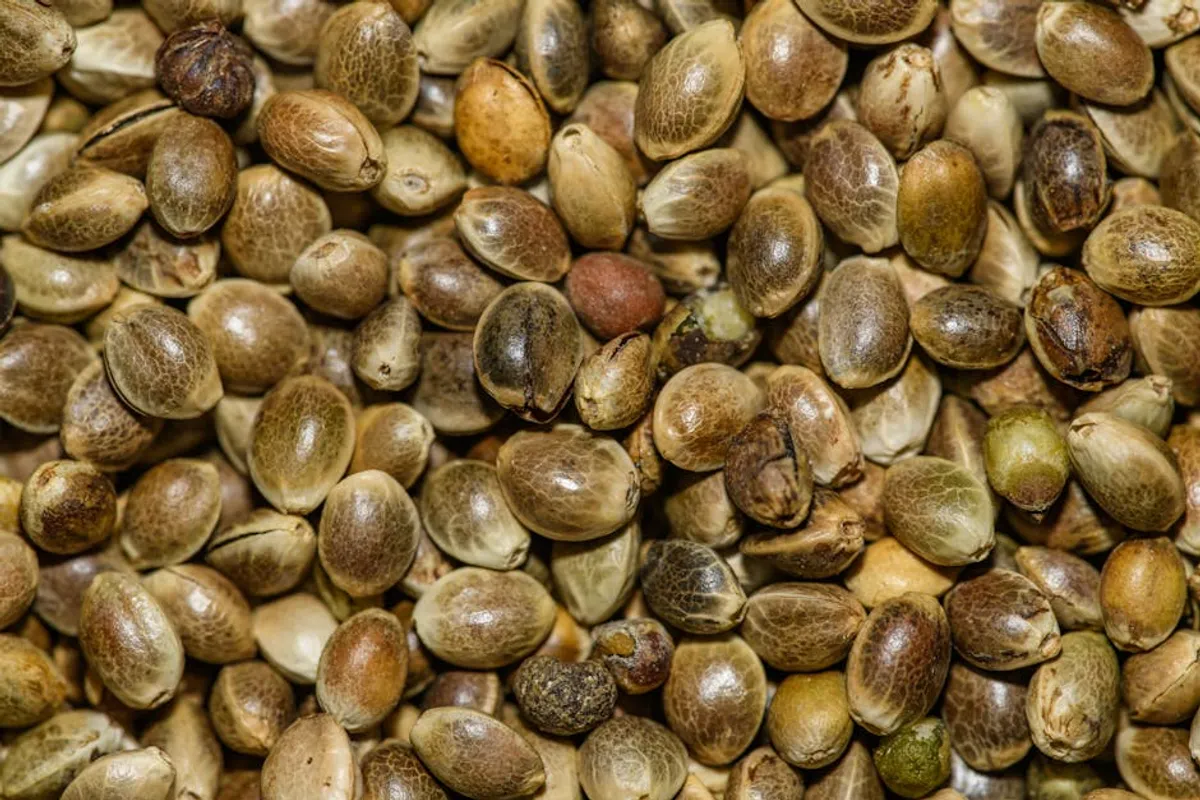
Hemp seed oil offers a distinct profile of benefits across skin, hair, and nutritional applications, primarily due to its unique fatty acid composition and robust micronutrient content. Understanding these specific attributes is crucial for evaluating its utility in personal care formulations, dietary supplements, and culinary uses. This oil, extracted from the seeds of the Cannabis sativa plant, contains negligible levels of cannabinoids like THC or CBD, distinguishing its application from other cannabis derivatives. Its value lies in its balanced essential fatty acid ratio and complementary vitamins and minerals, which collectively support various physiological functions.
Understanding Hemp Seed Oil's Core Composition
The primary differentiating factor for hemp seed oil is its optimal ratio of omega-6 (linoleic acid, LA) to omega-3 (alpha-linolenic acid, ALA) essential fatty acids, typically around 3:1. This ratio is considered ideal for human health, as it aligns with the body's requirements for anti-inflammatory processes and cellular function. Beyond these polyunsaturated fats, hemp seed oil also contains monounsaturated fatty acids like oleic acid and saturated fats, contributing to its stability and emollient properties.
In addition to its fatty acid profile, cold-pressed, unrefined hemp seed oil retains a spectrum of beneficial compounds:
- Vitamin E: A potent antioxidant that protects cells from oxidative damage.
- B Vitamins: Including B1, B2, B3, B6, and folic acid, essential for metabolic processes.
- Minerals: Such as phosphorus, potassium, sodium, magnesium, calcium, iron, and zinc, vital for bone health, nerve function, and immune response.
- Phytosterols: Plant compounds known for their potential cholesterol-lowering effects.
- Carotenoids: Precursors to Vitamin A, offering additional antioxidant protection.
This comprehensive nutrient density underpins its diverse applications, moving beyond a simple emollient to a multifunctional ingredient.
Targeted Benefits for Skin Health
Hemp seed oil's efficacy in skincare stems from its ability to support the skin's natural barrier and manage inflammatory responses. Its non-comedogenic rating (typically 0-1 on a scale of 0-5) means it is unlikely to clog pores, making it suitable for a wide range of skin types, including acne-prone or sensitive skin. Its non-comedogenic properties highlight the hemp oil skin benefits that make it ideal for daily use.
Barrier Function and Hydration
The high concentration of linoleic acid (LA) and alpha-linolenic acid (ALA) in hemp seed oil is critical for maintaining the integrity of the skin's lipid barrier. These essential fatty acids are precursors to ceramides, which are vital components of the stratum corneum. A robust lipid barrier prevents transepidermal water loss (TEWL), thereby enhancing skin hydration and elasticity. Regular application can lead to a noticeable reduction in dry, flaky skin and improved overall skin texture. The presence of quality hemp oil ingredients like linoleic acid is vital for maintaining skin health.
Anti-inflammatory and Soothing Properties
Gamma-linolenic acid (GLA), a less common omega-6 fatty acid present in hemp seed oil, is particularly noted for its anti-inflammatory effects. GLA is metabolized into prostaglandins, which regulate inflammation. This makes hemp seed oil a valuable agent for calming irritated skin conditions such as eczema, psoriasis, and dermatitis, by reducing redness and itching. Its soothing action also extends to mitigating the inflammatory component of acne without exacerbating breakouts.
Enhancing Hair Strength and Scalp Vitality
For hair care, hemp seed oil works by nourishing the scalp and strengthening hair strands from root to tip. Its lipid profile allows it to penetrate the hair shaft, providing internal conditioning.
Scalp Nourishment and Follicle Support
A healthy scalp is foundational for healthy hair growth. The essential fatty acids and vitamins in hemp seed oil provide direct nourishment to hair follicles, promoting a balanced scalp environment. It can help alleviate dry, itchy scalp conditions by restoring moisture and reducing inflammation, which in turn can mitigate issues like dandruff or flakiness. The presence of Vitamin E further supports scalp circulation, which is beneficial for nutrient delivery to the follicles.
Hair Resilience and Luster
When applied to hair, the oil's fatty acids coat the strands, improving elasticity and reducing breakage. This external layer also smooths the hair cuticle, resulting in enhanced shine and a softer texture. Regular use can protect hair from environmental stressors and heat damage, contributing to overall hair strength and reduced split ends.
Nutritional Advantages Through Ingestion
Consuming hemp seed oil provides systemic benefits, leveraging its essential fatty acid profile and micronutrient content to support internal health.
Cardiovascular and Metabolic Support
The balanced omega-3 to omega-6 ratio is instrumental in supporting cardiovascular health. ALA, an omega-3 fatty acid, is a precursor to EPA and DHA, which are known to reduce inflammation, lower triglyceride levels, and support healthy blood pressure. The phytosterols present in the oil can also contribute to reducing LDL cholesterol absorption, further benefiting heart health. Furthermore, the oil's nutrient density provides a source of healthy fats that can support satiety and stable energy levels.
Cognitive Function and Immune Modulation
Omega-3 fatty acids are critical for brain health and cognitive function, playing a role in cell membrane fluidity and neurotransmitter activity. Regular intake can support memory, focus, and overall neurological well-being. The array of vitamins and minerals, particularly zinc and magnesium, also contributes to a robust immune system. Zinc is vital for immune cell development and function, while magnesium plays a role in over 300 enzymatic reactions, many of which are immune-related.
Pro Tip: To maximize the benefits of hemp seed oil, always opt for cold-pressed, unrefined varieties. Heat and chemical processing can degrade essential fatty acids and reduce the bioavailability of vitamins and antioxidants. Store the oil in a cool, dark place, preferably refrigerated, and in an opaque bottle to prevent oxidation and maintain its nutritional integrity.
Integrating Hemp Seed Oil for Optimal Wellness
Incorporating hemp seed oil into daily routines can be straightforward, whether for topical application or dietary supplementation. For skin and hair, it can be used directly as a moisturizer, serum, or added to existing products. For nutritional intake, it serves as a versatile culinary oil, best used unheated in dressings, smoothies, or as a finishing oil to preserve its delicate fatty acid structure. Its mild, nutty flavor complements a variety of dishes without overpowering them. Consistency in application and consumption is key to observing its full spectrum of benefits.
Frequently Asked Questions
Is hemp seed oil the same as CBD oil?
No, hemp seed oil is extracted from the seeds of the cannabis plant and contains negligible amounts of cannabinoids like CBD or THC. CBD oil is extracted from the flowers, leaves, and stalks of the plant and is specifically processed to contain higher concentrations of CBD.
Can hemp seed oil be used by all skin types?
Yes, its non-comedogenic nature and balanced fatty acid profile make it suitable for most skin types, including oily, acne-prone, dry, and sensitive skin. Its anti-inflammatory properties can be particularly beneficial for irritated skin conditions.
How should hemp seed oil be stored?
Hemp seed oil is susceptible to oxidation. It should be stored in a cool, dark place, ideally refrigerated, and in an airtight, opaque container to protect it from light and heat, which can degrade its beneficial compounds.
What is the recommended daily intake for nutritional benefits?
While there's no official recommended daily allowance, a common suggestion for adults is 1-2 tablespoons per day for general nutritional support. It can be consumed directly or incorporated into meals as a dressing or supplement.