The growing interest in natural alternatives for managing daily stress and anxiety has brought hemp oil into sharper focus for many consumers. As individuals navigate a landscape of wellness options, understanding the specific applications, inherent limitations, and critical safety considerations of hemp oil is essential for making informed decisions. This guide aims to provide a clear perspective on what hemp oil offers in the context of anxiety, distinguishing between general perceptions and current knowledge.
Understanding Hemp Oil Varieties for Anxiety Support
The term "hemp oil" can be broad, often leading to confusion regarding its potential effects on anxiety. It is crucial to differentiate between two primary types:
- Hemp Seed Oil: This oil is extracted from the seeds of the hemp plant. It is rich in omega fatty acids, vitamins, and minerals, making it a nutritional supplement. However, hemp seed oil contains negligible, if any, cannabinoids like CBD (cannabidiol) or THC (tetrahydrocannabinol). Its role in anxiety management is primarily through general nutritional support, not direct interaction with the body's endocannabinoid system.
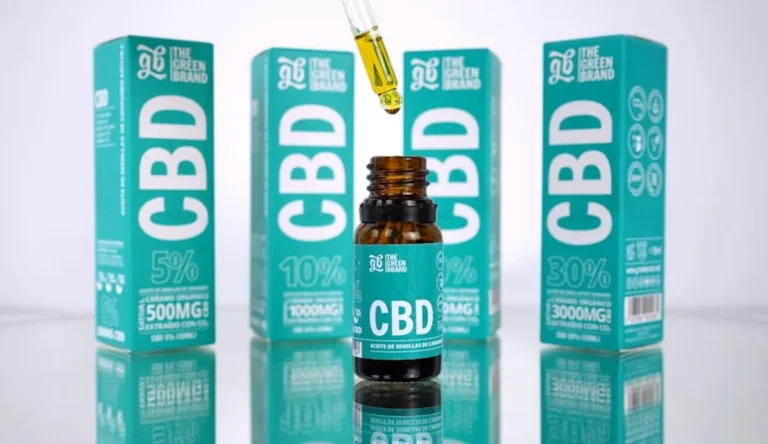
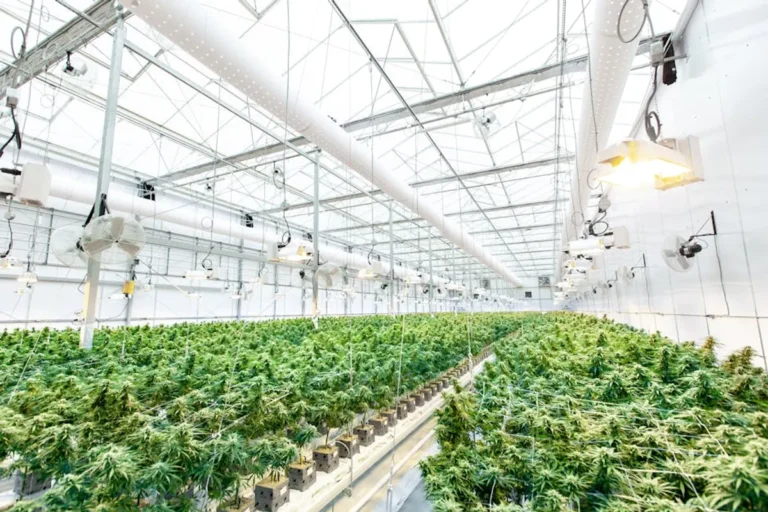
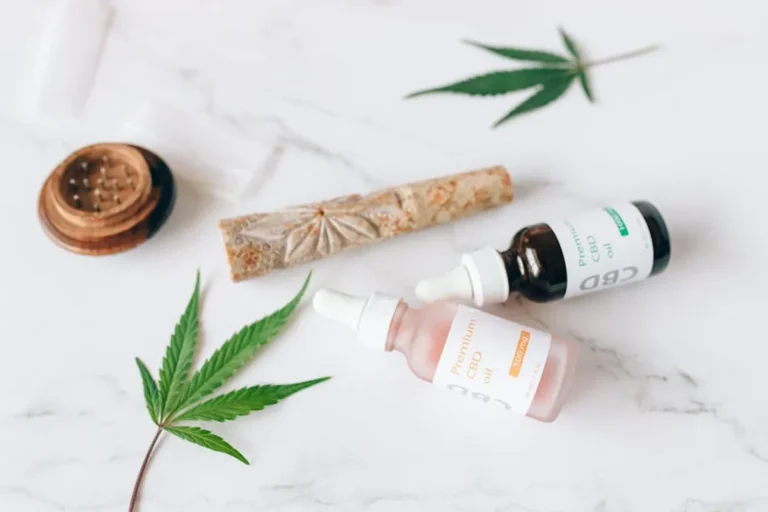
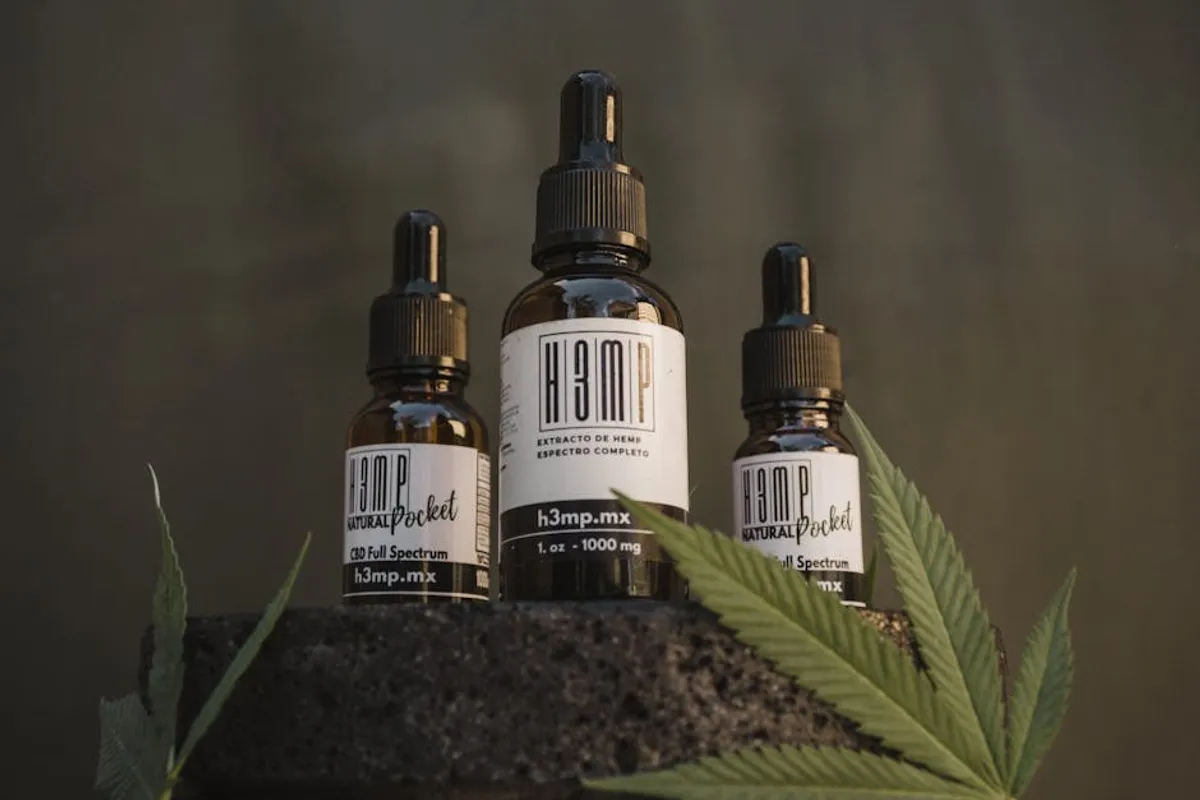
- Full-Spectrum, Broad-Spectrum, or CBD Isolate Hemp Extract: These products are derived from the flowers, leaves, and stalks of the hemp plant, where cannabinoids are concentrated. They are often what people refer to when discussing hemp oil for anxiety.
When considering hemp oil for anxiety, the focus is almost exclusively on products containing cannabinoids, particularly CBD. These extracts are believed to interact with the body’s endocannabinoid system, which plays a role in regulating mood, stress response, and sleep patterns. Proponents suggest that this interaction may help modulate serotonin receptors, reduce physiological markers of stress, and promote a sense of calm.
Common Uses and Perceived Benefits
Individuals exploring hemp oil for anxiety typically incorporate it into their daily routines through various methods, each with different absorption rates and onset times:
- Sublingual Tinctures: Drops placed under the tongue allow for direct absorption into the bloodstream via capillaries, offering a relatively quick onset, often within 15-30 minutes. This method allows for precise dosage adjustments.
- Capsules and Softgels: These provide a pre-measured dose, simplifying administration. Absorption occurs after digestion, leading to a delayed onset (30-90 minutes) but potentially longer-lasting effects.
- Edibles: Gummies or other infused foods also undergo digestion, similar to capsules, with a delayed onset.
- Vaping: Inhaling vaporized hemp extract offers the fastest onset of effects, often within minutes, as cannabinoids enter the bloodstream directly through the lungs. However, the long-term health implications of vaping are still under investigation.
The perceived benefits often cited include a reduction in subjective feelings of anxiety, improved sleep quality, and a general calming effect without significant psychoactive intoxication. Some users report it helps manage situational anxiety, such as public speaking or travel, while others integrate it for more generalized daily stress.
Current Limits and Research Gaps
Despite anecdotal reports and growing interest, the scientific understanding of hemp oil for anxiety is still developing. Key limitations include:
- Limited Clinical Evidence: While preliminary studies and animal research show promise, large-scale, placebo-controlled human trials specifically on hemp oil for various anxiety disorders are still relatively scarce. Most existing research focuses on pharmaceutical-grade CBD rather than commercially available hemp oil products.
- Lack of FDA Approval: No hemp-derived product (other than one specific prescription CBD drug for seizure disorders) is approved by the U.S. Food and Drug Administration (FDA) for treating anxiety. This means products are not evaluated for safety, effectiveness, or quality before marketing.
- Dosage Variability: There is no universally established or recommended dosage for hemp oil in managing anxiety. Effective doses can vary significantly based on individual physiology, the severity of anxiety, product potency, and the presence of other cannabinoids and terpenes (the "entourage effect"). Finding an optimal dose often involves trial and error.
- Not a Cure: Hemp oil is not a cure for anxiety disorders. It is generally considered a complementary approach, not a replacement for professional medical diagnosis or treatment plans, which may include therapy or prescription medication.
Essential Safety Notes and Considerations
Before incorporating hemp oil into a wellness regimen, understanding potential safety concerns and precautions is vital:
Potential Side Effects: While generally well-tolerated, some individuals may experience side effects, including:
- Drowsiness or sedation
- Dry mouth
- Diarrhea or changes in appetite
- Lightheadedness
These effects are often dose-dependent and may lessen with continued use or dose adjustment.
Drug Interactions: Hemp oil, particularly products containing CBD, can interact with certain medications. CBD is metabolized by cytochrome P450 enzymes in the liver, which are also responsible for metabolizing many prescription drugs. This interaction can either increase or decrease the concentration of other medications in the bloodstream, potentially leading to adverse effects or reduced efficacy. Medications commonly affected include:
- Blood thinners (e.g., warfarin)
- Antidepressants and anti-anxiety medications
- Seizure medications
- Immunosuppressants
Quality and Purity Concerns: The unregulated nature of the hemp market means product quality can vary dramatically. Some products may contain less CBD than advertised, significant levels of THC (leading to unexpected psychoactive effects), or harmful contaminants such as pesticides, heavy metals, and residual solvents. Always prioritize products that provide:
- Third-Party Lab Reports (Certificates of Analysis - COA): These reports should confirm cannabinoid potency (CBD, THC levels), and test for contaminants.
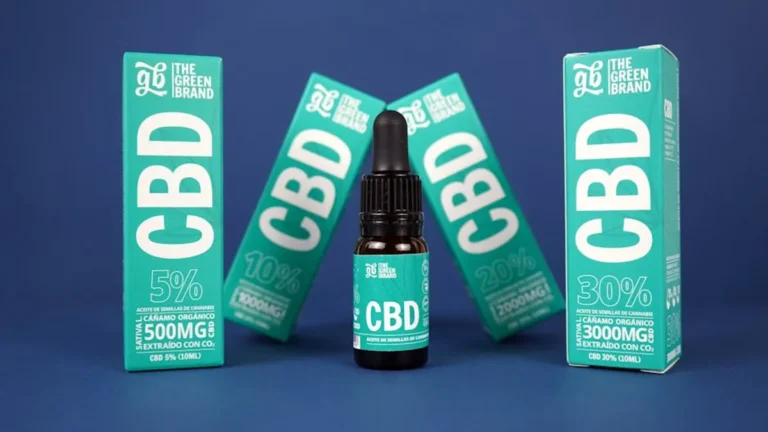
- Clear Labeling: Products should clearly state the amount of CBD per serving and the total CBD content.
- Source Transparency: Reputable brands often disclose where their hemp is grown and their extraction methods.
Pro Tip: Always consult with a healthcare professional before starting any new supplement, especially if you are pregnant, breastfeeding, have underlying health conditions, or are taking other medications. They can provide personalized advice on potential interactions and suitability.
Making an Informed Choice
Navigating the options for hemp oil in relation to anxiety requires a discerning approach. While the perceived benefits of hemp oil, particularly those rich in cannabinoids, offer a compelling prospect for some seeking relief from anxiety, it is critical to balance this interest with a clear understanding of current scientific limitations and essential safety protocols. Prioritize products with transparent third-party testing, begin with low doses, and closely monitor your body's response. Remember that hemp oil should be viewed as a potential complementary tool within a broader wellness strategy, not a standalone solution for complex anxiety conditions. Professional medical guidance remains paramount for diagnosis and comprehensive treatment planning.
Frequently Asked Questions About Hemp Oil for Anxiety
Q: Is hemp oil legal?
A: In the United States, hemp-derived products containing less than 0.3% THC are federally legal under the 2018 Farm Bill, but state laws vary. Always check local regulations.
Q: How long does it take for hemp oil to work for anxiety?
A: Onset times vary by administration method. Sublingual tinctures can take 15-30 minutes, while edibles or capsules may take 30-90 minutes. Effects can be highly individual.
Q: Can hemp oil get you high?
A: Hemp seed oil contains no psychoactive compounds. Hemp extracts designed for anxiety typically contain less than 0.3% THC, which is generally not enough to produce intoxicating effects for most users. However, sensitive individuals or high doses could experience mild effects.
Q: What’s the difference between hemp oil and CBD oil?
A: "Hemp oil" can refer to hemp seed oil (nutritional, no CBD) or hemp extract (contains CBD). "CBD oil" specifically refers to an extract from the hemp plant that contains cannabidiol (CBD) as its primary active compound, often mixed with a carrier oil.