Cardiovascular disease remains the leading cause of mortality globally, driving a continuous search for dietary interventions that can mitigate risk factors like hypertension and dyslipidemia. Hemp oil, specifically cold-pressed hemp seed oil, has emerged as a significant focal point for clinical research due to its unique lipid profile. Unlike many botanical oils that are dominated by a single fat type, hemp oil contains a precise 3:1 ratio of omega-6 to omega-3 fatty acids. This specific balance is considered optimal for human health, particularly in managing the systemic inflammation that precedes heart disease.
The 3:1 Omega Ratio and Lipid Homeostasis
The primary cardiovascular benefit of hemp oil stems from its high concentration of polyunsaturated fatty acids (PUFAs). Most Western diets are heavily skewed toward omega-6 fatty acids, often reaching ratios of 15:1 or 20:1, which can promote a pro-inflammatory state. Hemp oil provides a significant source of alpha-linolenic acid (ALA), an essential omega-3, alongside linoleic acid (LA), an omega-6.
Research suggests that maintaining the 3:1 ratio helps regulate cholesterol levels by lowering low-density lipoprotein (LDL) and increasing high-density lipoprotein (HDL). This lipid modulation is critical for preventing the buildup of arterial plaque. When LDL cholesterol oxidizes, it contributes to atherosclerosis; the tocopherols (Vitamin E) naturally present in high-quality hemp oil act as antioxidants, preventing this oxidation process from taking hold.
Best for: Individuals looking to balance their essential fatty acid intake without relying solely on marine-based sources like fish oil.
Arginine and Vascular Function
Beyond its fatty acid content, hemp oil contains notable amounts of the amino acid arginine. Arginine is a direct precursor to nitric oxide (NO), a gas molecule that plays a vital role in vasodilation. Nitric oxide signals the smooth muscles in the blood vessels to relax, which reduces peripheral resistance and lowers blood pressure.
Chronic hypertension is a primary driver of heart failure and stroke. By supporting the body’s natural production of nitric oxide, hemp oil helps maintain the elasticity of the vascular walls. Clinical observations have shown that diets rich in arginine are associated with a reduced risk of hypertension-related complications. This makes hemp oil a functional food choice for those managing borderline high blood pressure through dietary modifications.
Warning: While hemp oil supports vascular health, it should not be used as a replacement for prescribed blood pressure medication. Always consult with a cardiologist before adding high concentrations of hemp oil to a regimen if you are currently taking anticoagulants or antihypertensives, as the oil can have a mild blood-thinning effect.
Gamma-Linolenic Acid (GLA) and Systemic Inflammation
One of the rarest components found in hemp oil is gamma-linolenic acid (GLA). While GLA is an omega-6 fatty acid, it behaves differently than the linoleic acid found in corn or soy oils. GLA is converted in the body into dihomo-gamma-linolenic acid (DGLA), which inhibits the production of pro-inflammatory prostaglandins.
Systemic inflammation is a silent driver of coronary artery disease. By reducing the inflammatory markers in the bloodstream, GLA helps protect the endothelium—the thin membrane lining the heart and blood vessels. Healthy endothelial function is the "gatekeeper" of heart health, ensuring that blood flows smoothly and that clotting mechanisms only activate when necessary.
- CRP Reduction: Regular consumption of GLA-rich oils has been linked to lower levels of C-reactive protein, a key marker of heart-related inflammation.
- Platelet Aggregation: Hemp oil may help reduce the "stickiness" of blood, lowering the risk of spontaneous clot formation.
- Metabolic Support: GLA plays a role in glucose metabolism, which indirectly protects the heart by reducing the risk of type 2 diabetes—a major comorbidity for heart disease.
Phytosterols and Cholesterol Absorption
Hemp oil contains plant sterols, or phytosterols, which are structurally similar to cholesterol. When consumed, these phytosterols compete with cholesterol for absorption in the digestive tract. This competition results in lower amounts of dietary cholesterol entering the bloodstream.
The presence of sitosterol in hemp oil is particularly relevant for heart health. Studies indicate that a daily intake of plant sterols can significantly reduce LDL cholesterol levels. Unlike synthetic statins, which inhibit the liver's production of cholesterol, the phytosterols in hemp oil work mechanically within the gut to limit the uptake of exogenous fats. This benefit also raises questions about safety during pregnancy when considering hemp oil.
Practical Implementation and Stability
To derive the heart-health benefits of hemp oil, the quality of the product and its handling are paramount. The high PUFA content that makes the oil beneficial also makes it highly susceptible to oxidation. When hemp oil is exposed to heat, light, or air, the fatty acids can turn rancid, creating free radicals that cause the very inflammation the oil is intended to prevent.
Storage and Usage Standards:
- Cold-Pressed Only: Ensure the oil is extracted via cold-pressing to preserve the delicate bonds of the omega-3 and omega-6 chains.
- No High-Heat Cooking: Hemp oil has a low smoke point (approximately 330°F). It should never be used for frying or sautéing. Instead, use it as a finishing oil for salads, smoothies, or grain bowls.
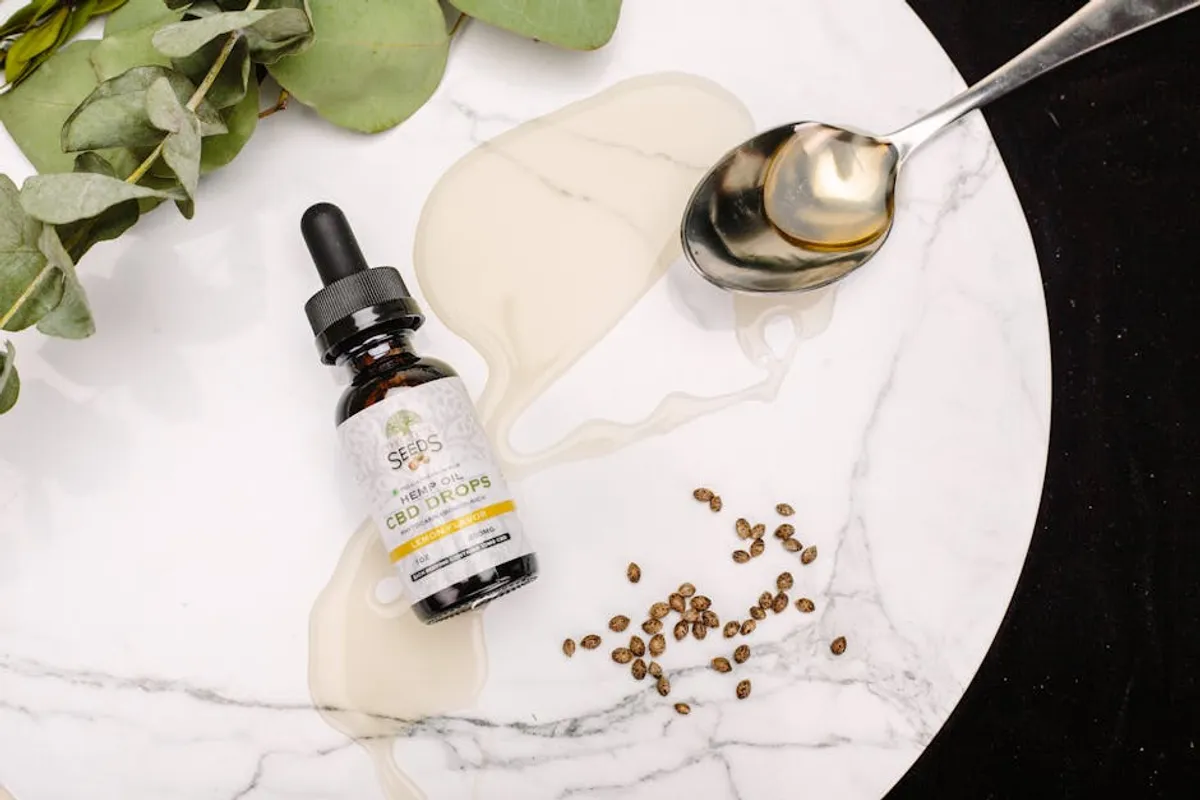
- Opaque Packaging: Only purchase hemp oil sold in dark glass or UV-protected bottles to prevent light-induced degradation.
- Refrigeration: Once opened, hemp oil must be stored in the refrigerator and consumed within 3 to 6 months to ensure maximum potency.
Establishing a Heart-Healthy Routine
Integrating hemp oil into a daily routine is most effective when it replaces less healthy fats, such as refined vegetable oils or trans fats. A standard dosage of one to two tablespoons per day provides the necessary ALA and GLA to support cardiovascular function. Because heart health is a long-term endeavor, the benefits of hemp oil are cumulative; consistency in intake is more important than the quantity consumed in a single serving. Consistency is particularly key for hemp oil for women looking to support long-term heart health.
When selecting a product, prioritize organic certifications to ensure the hemp was not grown in soil contaminated with heavy metals, as the hemp plant is a bioaccumulator. Clean, high-purity hemp oil serves as a dense, bioavailable source of the nutrients required to maintain a resilient cardiovascular system.
Frequently Asked Questions
Does hemp oil contain CBD or THC that could affect my heart rate?
Standard hemp seed oil is derived from the seeds of the plant and contains virtually no CBD or THC. It does not have psychoactive effects and will not cause the heart palpitations or tachycardia sometimes associated with high-THC cannabis products.
How much hemp oil should I take daily for heart benefits?
Most clinical studies and nutritional guidelines suggest 1 to 2 tablespoons (15-30ml) per day. This provides a sufficient dose of essential fatty acids and arginine without excessive caloric intake.
Can I use hemp oil if I am on blood thinners?
Hemp oil has mild anti-platelet properties. If you are taking medications like Warfarin or Aspirin, you should consult your doctor before regular use, as it may slightly increase the time it takes for your blood to clot.
Is hemp oil better than fish oil for heart health?
Hemp oil provides ALA (a short-chain omega-3), while fish oil provides EPA and DHA (long-chain omega-3s). While the body can convert ALA to EPA and DHA, the conversion rate is low. However, hemp oil offers the 3:1 ratio and GLA, which fish oil lacks, making it a complementary or alternative option for those on plant-based diets.