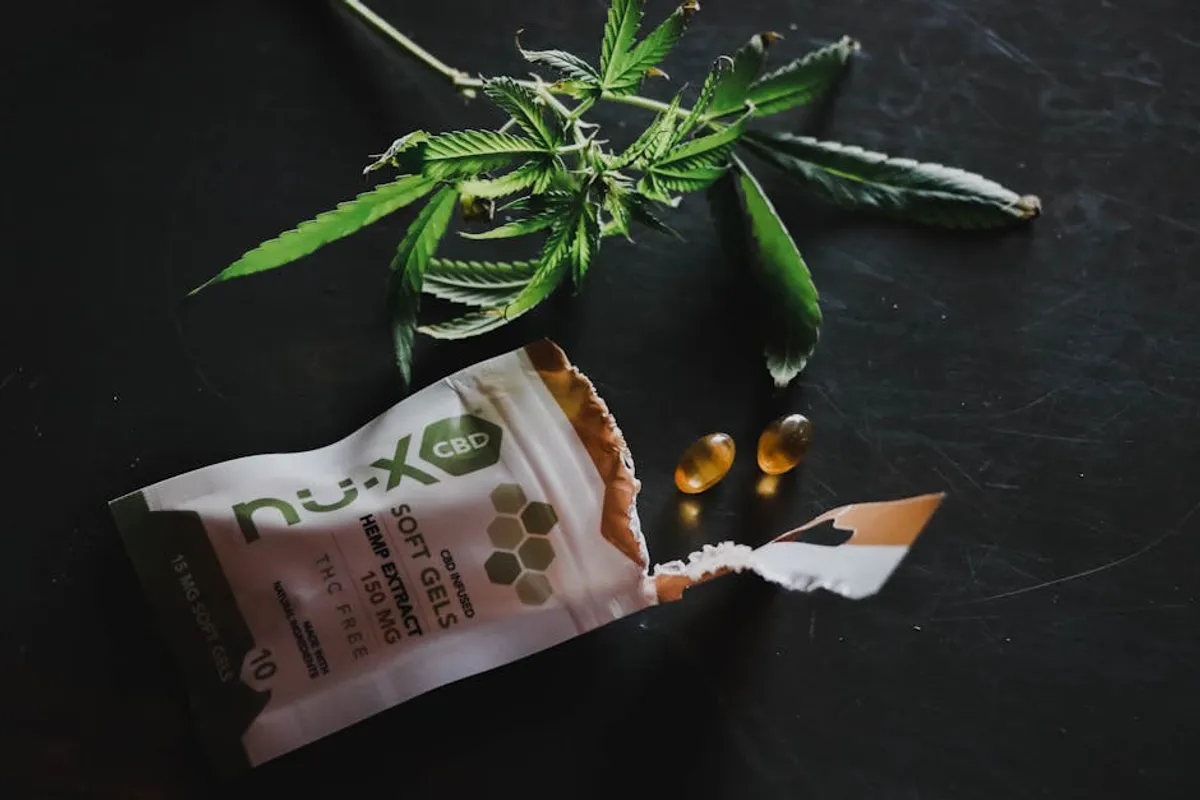
Fitness users consistently seek effective strategies to optimize recovery, aiming to reduce downtime, alleviate discomfort, and enhance performance. CBD, or cannabidiol, has emerged as a topic of significant interest within this community. Its potential to interact with the body's systems, particularly those involved in pain and inflammation, suggests a role in post-exercise recovery. For those considering CBD as an adjunct to their regimen, understanding its mechanisms, specific applications, and practical implications is crucial for making informed decisions.
Understanding CBD and its Role in Recovery
CBD is one of over a hundred cannabinoids found in the cannabis plant. Unlike tetrahydrocannabinol (THC), CBD is non-intoxicating, meaning it does not produce the "high" associated with cannabis. Its interaction with the human body is primarily mediated through the endocannabinoid system (ECS), a complex network of receptors, endocannabinoids, and enzymes that helps regulate various physiological processes, including pain, inflammation, mood, and sleep.
How CBD Interacts with the Body
The ECS plays a central role in maintaining homeostasis. When the body experiences stress, such as intense physical exertion, the ECS activates to restore balance. CBD is believed to influence the ECS indirectly, primarily by affecting the breakdown of endocannabinoids and interacting with other receptor systems. This interaction can modulate pain perception and inflammatory responses, two key areas for post-workout recovery.
Specifically, research suggests CBD may influence vanilloid receptors (TRPV1), which are involved in pain transmission and inflammation, and adenosine receptors, which regulate blood flow and inflammation. By potentially reducing pro-inflammatory cytokine production and modulating pain signals, CBD offers a non-opioid pathway for managing exercise-induced discomfort.
Distinguishing CBD from THC
For fitness users, particularly those subject to drug testing, understanding the distinction between CBD and THC is paramount. Full-spectrum CBD products contain all cannabinoids naturally found in the cannabis plant, including trace amounts of THC (up to 0.3% by dry weight in federally legal products). Broad-spectrum CBD products contain a range of cannabinoids, terpenes, and flavonoids but have the THC removed. CBD isolate is pure CBD, with all other plant compounds removed.
While trace amounts of THC in full-spectrum products are generally insufficient to cause intoxication, consistent use could theoretically lead to a positive drug test for THC, depending on the test's sensitivity and individual metabolism. Broad-spectrum and isolate products are often preferred by athletes seeking to avoid THC entirely.
Specific Recovery Benefits for Athletes
Optimizing recovery involves addressing muscle damage, inflammation, and sleep disturbances that follow strenuous activity. CBD's potential influence on these areas makes it a subject of interest for many in the fitness community.
Managing Post-Workout Muscle Soreness
Delayed Onset Muscle Soreness (DOMS) is a common experience after unaccustomed or intense exercise, characterized by muscle tenderness, stiffness, and reduced range of motion. While DOMS is a natural part of the adaptation process, its severity can impede subsequent training sessions. CBD's potential anti-inflammatory and analgesic properties may contribute to reducing the perception of muscle soreness, allowing for a more comfortable recovery period. By influencing pain pathways, CBD could help manage the discomfort associated with micro-tears in muscle fibers, without directly repairing the damage itself.
Addressing Exercise-Induced Inflammation
Acute inflammation is a natural and necessary response to exercise, initiating repair processes. However, excessive or prolonged inflammation can hinder recovery and potentially contribute to overtraining. CBD has demonstrated immunomodulatory effects, suggesting it may help regulate inflammatory responses without completely suppressing the body's natural healing mechanisms. This could translate to a more balanced inflammatory state post-exercise, supporting efficient tissue repair.
Improving Sleep Quality for Optimal Repair
Sleep is a critical component of athletic recovery, facilitating muscle repair, hormone regulation, and cognitive restoration. Disruptions to sleep, often caused by post-exercise discomfort or anxiety, can significantly impair recovery. While not a sedative, CBD may promote better sleep indirectly by addressing underlying issues that interfere with restful sleep, such as pain or anxiety. By potentially reducing these disturbances, CBD could help fitness users achieve deeper, more restorative sleep cycles, which are essential for physical and mental regeneration. Additionally, understanding how hemp oil affects sleep quality can further enhance recovery strategies.
Practical Considerations for Fitness Users
Integrating CBD into a recovery protocol requires careful consideration of product types, dosing, and regulatory landscape.
Types of CBD Products and Their Application
CBD is available in various forms, each offering different absorption rates and convenience:
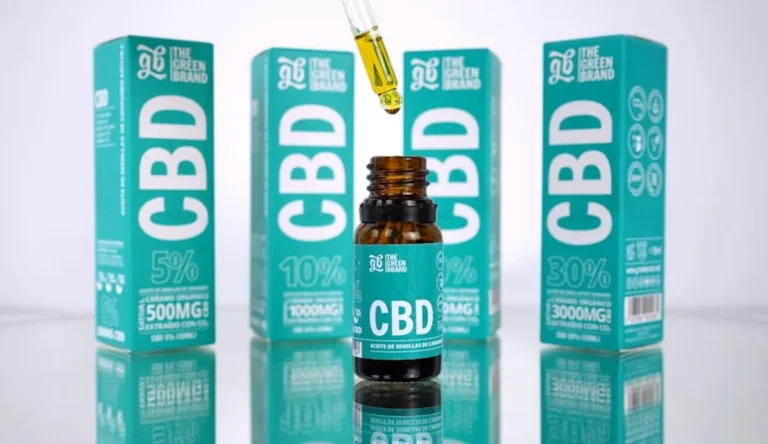
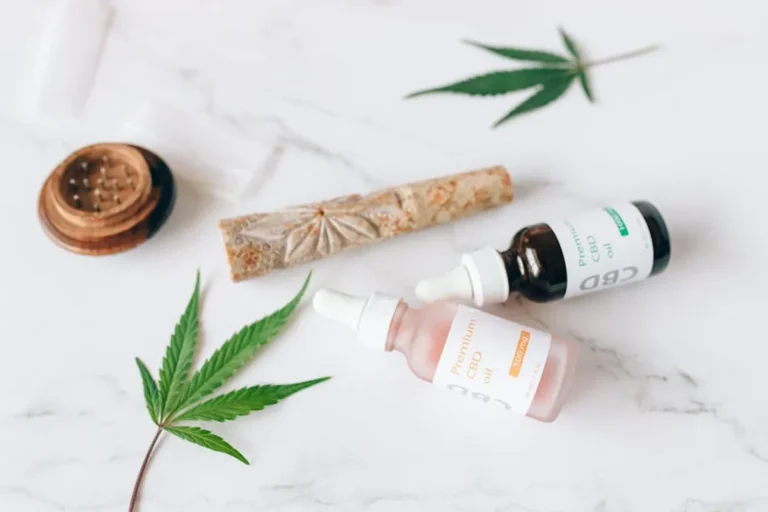
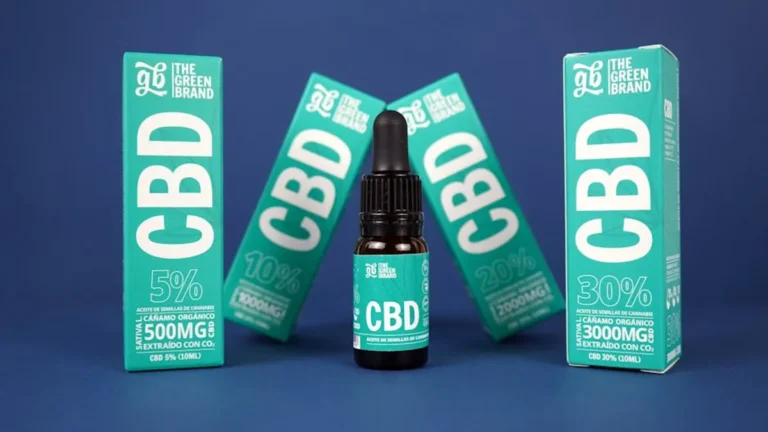
- Tinctures/Oils: Administered sublingually (under the tongue), these allow for relatively fast absorption into the bloodstream. They offer precise dosing control and are versatile.
- Topicals (Creams, Balms, Lotions): Applied directly to the skin over sore muscles or joints. These target localized discomfort and are absorbed through the skin, typically not entering the bloodstream in significant amounts.
- Capsules/Edibles: Ingested orally, these offer a convenient and discreet way to consume CBD. Absorption is slower as CBD must pass through the digestive system, leading to a delayed but often longer-lasting effect.
- Vapes: Inhaled for the fastest onset of effects, as CBD enters the bloodstream directly through the lungs. However, the long-term health implications of vaping are still under investigation.
Dosing and Timing
There is no universally recommended CBD dosage for recovery, as individual responses vary based on body weight, metabolism, product potency, and the specific condition being addressed. A common recommendation is to "start low and go slow," beginning with a small dose (e.g., 5-10 mg) and gradually increasing it until the desired effects are achieved. Consistency is often key, as some benefits may become more apparent with regular use over time. Timing can also be adjusted; some users prefer CBD post-workout to address immediate soreness, while others take it before bed to support sleep.
Navigating Drug Testing and Regulations
For competitive athletes, the World Anti-Doping Agency (WADA) removed CBD from its list of prohibited substances in 2018. However, all other cannabinoids, including THC, remain prohibited. This distinction is critical. Athletes must exercise extreme caution when choosing CBD products, opting for those that are third-party tested and explicitly labeled as THC-free (broad-spectrum or isolate) to minimize the risk of a positive drug test for THC.
Pro Tip: Always prioritize third-party lab reports for any CBD product. These Certificates of Analysis (CoAs) verify cannabinoid content and confirm the absence of contaminants like heavy metals, pesticides, and microbial impurities, directly impacting product safety and efficacy. Without a CoA, product claims are unsubstantiated.
Making an Informed Choice for Your Recovery Regimen
The integration of CBD into a fitness recovery strategy should be approached with a clear understanding of its potential benefits and limitations. While anecdotal evidence and preliminary research suggest CBD can be a valuable tool for managing post-exercise discomfort, inflammation, and sleep disturbances, it is not a substitute for fundamental recovery practices such as proper nutrition, hydration, and adequate rest. Fitness users should carefully evaluate product labels, prioritize transparency from manufacturers, and consider individual physiological responses. Consulting with a healthcare professional or a sports medicine expert before incorporating CBD, especially if on other medications or dealing with pre-existing conditions, provides an additional layer of safety and guidance.
Frequently Asked Questions
Is CBD legal for athletes?
Yes, the World Anti-Doping Agency (WADA) removed CBD from its list of prohibited substances in 2018. However, all other cannabinoids, including THC, remain prohibited. Athletes must ensure their CBD products are THC-free to avoid positive drug tests.
How long does it take for CBD to work for recovery?
The onset of effects varies significantly depending on the product type and individual metabolism. Sublingual tinctures may take 15-45 minutes, edibles 1-2 hours, and topicals can act locally within minutes. Consistent use may also be necessary to observe full benefits.
Can CBD make me fail a drug test?
While pure CBD (isolate) should not cause a positive drug test for THC, full-spectrum CBD products contain trace amounts of THC (up to 0.3%). Consistent use of full-spectrum products, or mislabeled broad-spectrum products, carries a risk of THC accumulation that could trigger a positive result. Opt for products with verifiable third-party lab reports confirming zero THC content.
What's the difference between full-spectrum, broad-spectrum, and isolate CBD?
Full-spectrum CBD contains all cannabinoids, terpenes, and flavonoids from the hemp plant, including up to 0.3% THC. Broad-spectrum CBD contains multiple cannabinoids and plant compounds but has the THC removed. CBD isolate is pure CBD, with all other plant compounds extracted.