Chronic inflammation is the underlying driver of numerous conditions, from rheumatoid arthritis to skin disorders and delayed onset muscle soreness. For consumers and health-conscious buyers, hemp oil has emerged as a primary plant-based alternative to non-steroidal anti-inflammatory drugs (NSAIDs). However, the efficacy of hemp oil depends entirely on whether you are using hemp seed oil or full-spectrum hemp extract containing cannabinoids like CBD. Understanding the biochemical pathways through which these compounds interact with the human body is essential for determining if a product will actually deliver systemic relief or merely provide basic nutritional support.
Biochemical Mechanisms of Hemp Seed Oil
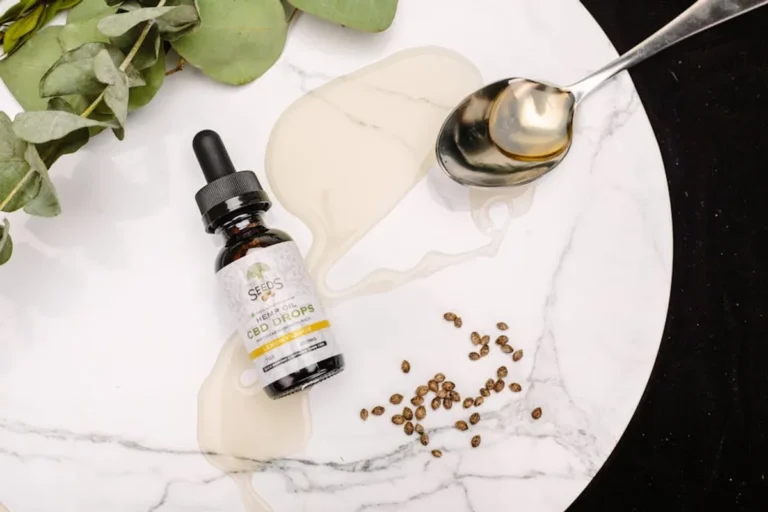
Hemp seed oil, derived from the cold-pressed seeds of the Cannabis sativa plant, contains no significant levels of cannabinoids but is rich in polyunsaturated fatty acids (PUFAs). The anti-inflammatory potential of hemp seed oil is rooted in its precise 3:1 ratio of Omega-6 (linoleic acid) to Omega-3 (alpha-linolenic acid). This specific ratio is considered optimal for human health, as an overabundance of Omega-6—common in modern diets—often promotes pro-inflammatory cytokine production.
Key Fatty Acid Components:
- Gamma-Linolenic Acid (GLA): An Omega-6 derivative that, unlike its counterparts, acts as a potent anti-inflammatory by converting into dihomo-gamma-linolenic acid (DGLA).
- Stearidonic Acid (SDA): A rare Omega-3 that converts more efficiently to EPA in the liver than standard alpha-linolenic acid found in flaxseed.
- Tocopherols: Natural Vitamin E compounds that mitigate oxidative stress, a primary precursor to tissue inflammation.
The presence of GLA is particularly significant. Research indicates that GLA helps regulate the production of prostaglandins, lipid compounds that signal the inflammatory response. By increasing DGLA levels, hemp seed oil can inhibit the biosynthesis of pro-inflammatory leukotrienes, making it a viable dietary supplement for managing low-grade systemic inflammation.
Full-Spectrum Hemp Extract and the Endocannabinoid System
When the term "hemp oil" refers to extracts from the stalks, leaves, and flowers, the mechanism of action shifts from fatty acid metabolism to the Endocannabinoid System (ECS). This complex cell-signaling system regulates immune response, pain perception, and inflammatory markers throughout the body. Full-spectrum hemp oil contains CBD (cannabidiol), CBG (cannabigerol), and trace amounts of THC, which work synergistically through the "entourage effect."
CBD interacts indirectly with CB1 and CB2 receptors. While CB1 receptors are primarily located in the central nervous system, CB2 receptors are densely populated in the immune system. By modulating these receptors, hemp extract can suppress the production of chemokines and cytokines, the signaling proteins that trigger inflammatory cascades. This makes full-spectrum extracts significantly more effective for localized inflammatory pain, such as joint swelling or nerve-related inflammation, compared to seed-based oils.
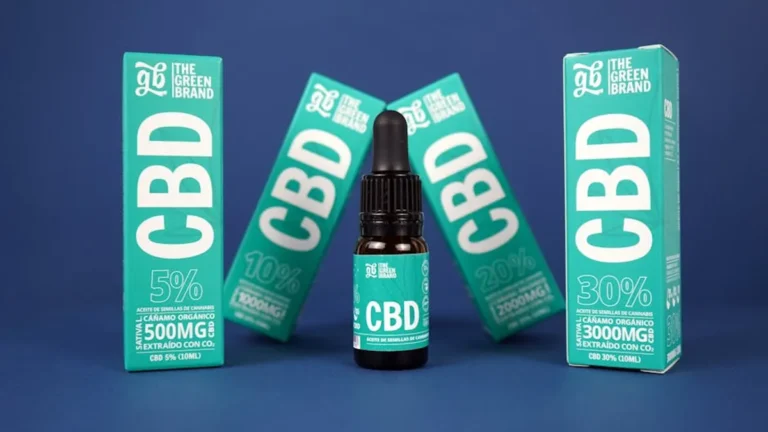
Pro Tip: Always verify the "Source of Oil" on the product label. If the ingredient list only mentions "Hemp Seed Oil," the product will lack CBD and other cannabinoids. For inflammatory conditions requiring ECS modulation, look for "Full-Spectrum Hemp Extract" or "Hemp Flower Oil" with a verified milligram count of CBD.
Clinical Evidence and Research Findings
The evidence for hemp oil’s impact on inflammation is supported by both dermatological and musculoskeletal research. A study published in the Journal of Dermatological Treatment found that the dietary consumption of hemp seed oil significantly improved symptoms of atopic dermatitis, likely due to the influx of PUFAs strengthening the skin's lipid barrier and reducing localized inflammatory responses.
In terms of joint health, animal models and preliminary human trials suggest that CBD-rich hemp oil can reduce the infiltration of inflammatory cells into joint tissue. By inhibiting the enzyme COX-2 (cyclooxygenase-2)—the same target as many prescription anti-inflammatories—hemp cannabinoids can reduce prostaglandin production without the gastrointestinal side effects often associated with long-term NSAID use.
Bioavailability and Delivery Methods
The effectiveness of hemp oil for inflammation is heavily dictated by its delivery method. The route of administration determines how much of the active compound reaches the target site and how quickly it is metabolized.
Topical Application: Best for localized issues like arthritis in the hands or knees. Transdermal absorption allows cannabinoids and fatty acids to bypass the digestive system and interact directly with localized CB2 receptors and skin tissues. This method is highly effective for reducing surface-level swelling and redness.
Sublingual Administration: Holding full-spectrum hemp oil under the tongue for 60-90 seconds allows the active compounds to enter the bloodstream via the sublingual capillaries. This provides faster systemic relief for generalized inflammation compared to capsules or edibles, which must undergo first-pass metabolism in the liver, significantly reducing the concentration of active molecules.
Dietary Integration: Adding hemp seed oil to foods is an effective way to maintain long-term fatty acid balance. However, hemp seed oil has a low smoke point; heating it above 300°F (150°C) denatures the fragile Omega fatty acids and can produce pro-inflammatory peroxides, negating the oil's health benefits.
Criteria for Selecting High-Efficacy Hemp Products
To ensure a hemp oil product is capable of addressing inflammation, buyers must look past marketing claims and analyze the technical specifications of the product. The hemp industry remains largely self-regulated, making third-party verification the only reliable metric of quality.
Essential Selection Factors:
- Certificate of Analysis (COA): A batch-specific lab report confirming the cannabinoid profile and the absence of heavy metals, pesticides, and residual solvents.
- Extraction Method: CO2 extraction is the industry gold standard, as it preserves the heat-sensitive terpene profile (like Beta-caryophyllene, which itself has anti-inflammatory properties) without introducing chemical impurities.
- Carrier Oil: For full-spectrum extracts, the carrier oil (often MCT oil or hemp seed oil) affects absorption. MCT oil is preferred for sublingual products due to its rapid metabolic conversion.
Strategic Implementation for Inflammation Management
To maximize the anti-inflammatory benefits of hemp oil, users should adopt a tiered approach. For immediate, localized flares, a high-potency topical cream containing at least 10mg of CBD per gram of product is recommended. For long-term systemic management, a daily sublingual dose of full-spectrum hemp oil—starting at 20-30mg and titrating upward—provides the necessary ECS support to keep cytokine levels in check.
Consistency is more important than high occasional doses. Cannabinoids are fat-soluble and can build up in the body's adipose tissue over time, leading to more stable regulation of the inflammatory response. When combined with the dietary intake of hemp seed oil to balance the Omega-6 to Omega-3 ratio, this dual-pronged approach addresses inflammation from both a nutritional and a neurological perspective.
Frequently Asked Questions
How long does it take for hemp oil to work on inflammation?
Topical applications typically provide localized relief within 15 to 45 minutes. Sublingual full-spectrum oils may take 30 minutes to an hour for systemic effects. For nutritional benefits from hemp seed oil, consistent daily use for 2 to 4 weeks is usually required to notice changes in skin health or systemic inflammation.
Does hemp oil interact with other anti-inflammatory medications?
Hemp oil, particularly CBD-rich extracts, can inhibit the cytochrome P450 enzyme system in the liver. This system is responsible for metabolizing many medications, including certain blood thinners and NSAIDs. If you are on prescription medication, consult a healthcare provider to ensure hemp oil won't alter the drug's concentration in your bloodstream.
Is there a difference between hemp oil and CBD oil for joint pain?
Yes. "Hemp oil" is a broad term that often refers to hemp seed oil, which lacks cannabinoids and is best for general nutrition. "CBD oil" or "Full-Spectrum Hemp Extract" contains the cannabinoids necessary to interact with the endocannabinoid system to specifically target the pain and swelling associated with joint inflammation.