The hemp oil market operates in a regulatory gray area where terminology is frequently weaponized to confuse consumers. A product labeled "Hemp Oil" on a major marketplace might be a nutrient-dense culinary fat, or it might be a potent botanical extract containing cannabinoids. Without the ability to decode the fine print, you risk overpaying for salad dressing or unknowingly consuming trace amounts of THC. Professional-grade label reading requires looking past the branding and focusing on three specific data points: the source of the oil, the concentration of active compounds, and the verification of third-party laboratory results.
Distinguishing Hemp Seed Oil from CBD Hemp Oil
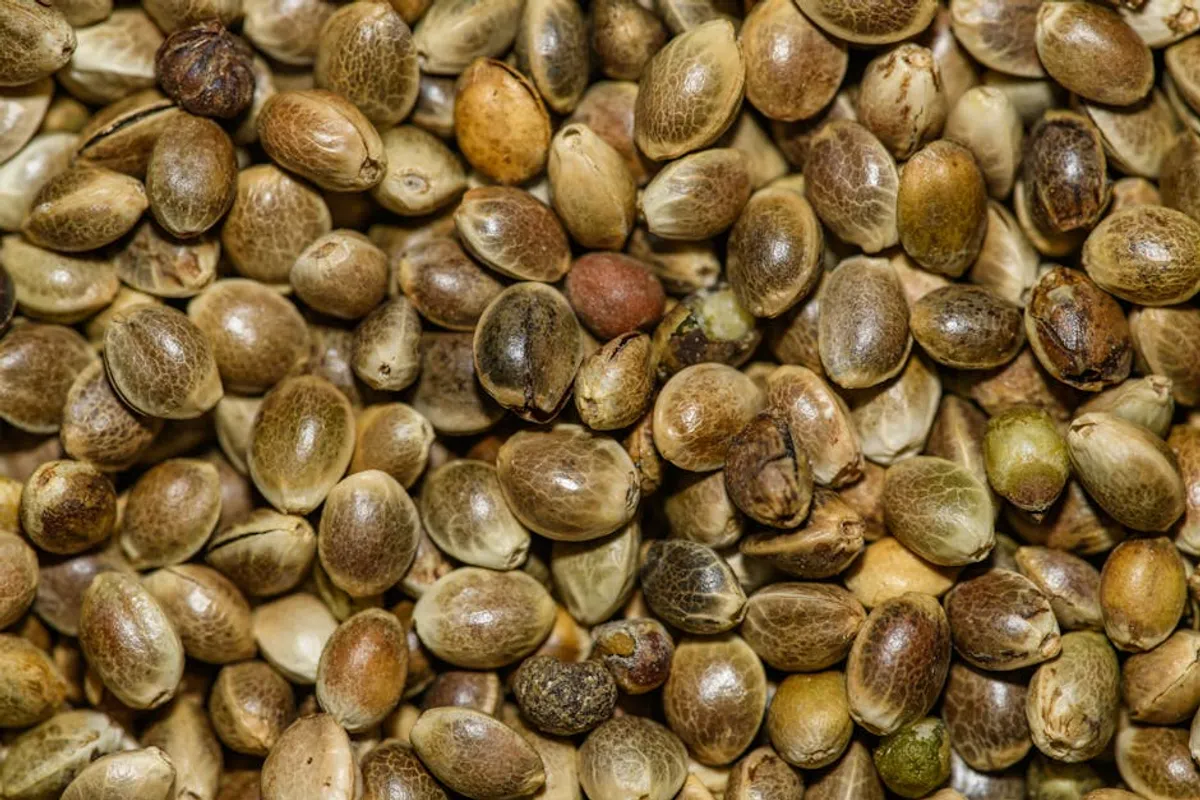
The most common source of consumer confusion is the conflation of hemp seed oil and hemp extract (CBD oil). While both derive from the Cannabis sativa plant, their chemical profiles and price points are vastly different. Hemp seed oil is cold-pressed from the seeds, which contain no cannabinoids. It is rich in Omega-3 and Omega-6 fatty acids but offers none of the therapeutic effects associated with CBD.
Look for: "Hemp Extract," "Cannabis Sativa Extract," or "Phytocannabinoid-rich (PCR) Hemp Oil" in the ingredient list. If the label only lists "Hemp Seed Oil" or "Cannabis Sativa Seed Oil," the product does not contain CBD. Manufacturers often use "Hemp Oil" as a catch-all term to bypass the advertising restrictions of major social media and e-commerce platforms, making the ingredient list your only reliable source of truth. Always verify these claims by checking for quality signs to look for in a reputable brand.
Calculating Potency and Serving Size
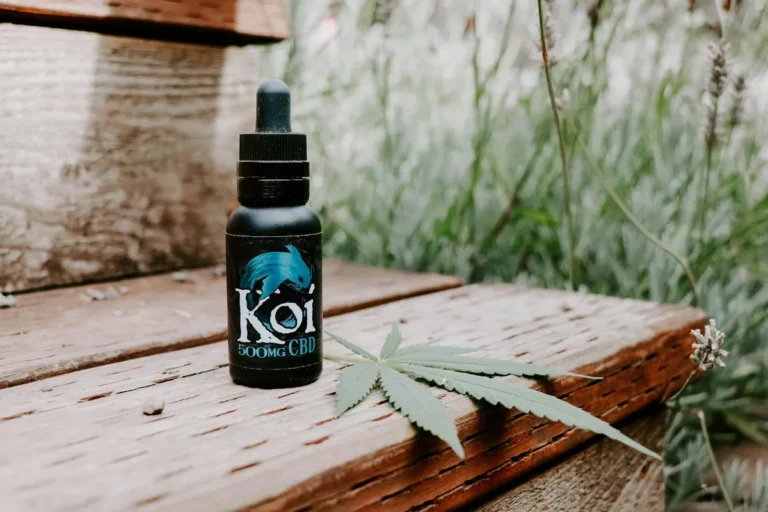
Marketing teams often highlight the total milligram (mg) count on the front of the bottle to make the product seem more powerful. However, a 1,000mg bottle can be less potent than a 500mg bottle depending on the total volume of the liquid. To determine the actual value, you must calculate the concentration per milliliter (ml).
- Check the bottle size: Most standard tinctures are 30ml (1 oz).
- Perform the math: Divide the total mg by the total ml. For example, 1,500mg in a 30ml bottle equals 50mg per ml.
- Verify the dropper: A standard dropper holds 1ml. If the serving size is "half a dropper," you are receiving 25mg of extract in the above example.
Best for: Users tracking specific dosages for chronic conditions. Always prioritize products that clearly state the mg of CBD per serving rather than just "Total Hemp Extract," which may include waxes, chlorophyll, and other non-active plant matter.
Navigating Spectrum Types: Full, Broad, and Isolate
The "spectrum" refers to the range of compounds extracted from the hemp plant. This classification dictates the "entourage effect"—the theory that cannabinoids and terpenes work more effectively when consumed together.
Full Spectrum: This contains the entire profile of the hemp plant, including CBD, minor cannabinoids (CBG, CBN, CBC), flavonoids, and terpenes. Crucially, it includes up to 0.3% THC by dry weight. This is the legal limit in the United States and is generally not enough to cause psychoactive effects, but it can lead to a failed drug test.
Broad Spectrum: This undergoes an additional refinement process to remove the THC while preserving other cannabinoids and terpenes. It is the preferred choice for professionals or athletes who want the entourage effect without any detectable THC.
Isolate: This is 99% pure CBD. All other plant compounds are removed. It is odorless and tasteless, making it ideal for cooking or for those with sensitivities to specific terpenes. However, it lacks the synergistic benefits of the whole plant.
Warning: Be skeptical of products labeled "Pure Hemp Oil" that do not specify the spectrum. "Pure" is a marketing term, not a technical one. If the label doesn't explicitly state "Full Spectrum," "Broad Spectrum," or "Isolate," the manufacturer may be hiding a low-quality extraction process or a lack of cannabinoid diversity. Understanding what full spectrum means can help you make a more informed purchase decision.
Extraction Methods and Carrier Oils
The method used to pull the oil from the plant material determines the purity and safety of the final product. Substandard extraction can leave behind toxic residues. High-end manufacturers typically use CO2 extraction, which uses pressurized carbon dioxide to pull the oils from the plant. It is a "clean" method because it leaves no chemical solvent behind. Ethanol extraction is also common and effective, provided the manufacturer uses pharmaceutical-grade grain alcohol and performs proper purging.
The carrier oil is equally important for bioavailability. CBD is fat-soluble, meaning it needs to be dissolved in a fat to be absorbed by the body. MCT Oil (Medium-Chain Triglycerides), usually derived from coconut, is the industry standard because it has a small molecular structure that the body can process quickly. Other options include hemp seed oil (for a "whole plant" approach) or extra virgin olive oil, though these may have a shorter shelf life and a stronger grassy taste.
The Non-Negotiable: Third-Party Lab Testing
Because the FDA does not strictly regulate hemp oil labels, the only way to verify a label's claims is through a Certificate of Analysis (COA). A reputable brand will provide a COA for every batch they produce. This document is generated by an independent third-party laboratory and should be accessible via a QR code on the physical label.
A professional COA must include a Cannabinoid Profile, which confirms the mg of CBD matches the label and that THC levels are below 0.3%. It must also include a Contaminant Report, screening for heavy metals (lead, arsenic), pesticides, mold, and residual solvents. If a company cannot provide a batch-specific COA, do not purchase the product; there is no way to guarantee its safety or potency.
Execution Checklist for Buying Hemp Oil
To ensure you are getting a high-quality product that meets your specific needs, use the following verification steps before finalizing a purchase. This process moves from the outer packaging to the internal chemical data.
First, ignore the front-of-label marketing claims like "natural" or "organic-style." Flip the bottle to the supplement facts panel. Confirm that the primary ingredient is hemp extract or CBD, not just hemp seed oil. Check the total milligram count and divide it by the bottle volume to find the concentration per milliliter. Ensure the label specifies the spectrum type (Full, Broad, or Isolate) so you know exactly what you are putting into your system regarding THC content.
Next, scan for a batch number or a QR code. Use your smartphone to pull up the lab results. Compare the "Result" column for CBD on the COA to the "Serving Size" on the label. A variance of 10% is acceptable in the industry, but anything higher suggests poor quality control. Finally, check the "Pass" status for heavy metals and pesticides. If these sections are missing from the COA, the test was incomplete.
Frequently Asked Questions
Does hemp oil show up on a drug test?
If you are using Full Spectrum hemp oil, there is a risk. While the 0.3% THC limit is low, consistent use can lead to the accumulation of THC metabolites in your system. For those subject to drug testing, Broad Spectrum or Isolate products are the safer alternatives.
What is the difference between "Hemp Oil" and "CBD Oil"?
"Hemp Oil" is a generic term that can refer to hemp seed oil (no CBD) or hemp extract (contains CBD). "CBD Oil" specifically refers to products containing cannabidiol. Always check the ingredients for "Cannabis Sativa Extract" to ensure you are getting cannabinoids.
How should I store hemp oil to keep it fresh?
Hemp oil is sensitive to light, heat, and oxygen. Store your bottle in a cool, dark place like a pantry or a medicine cabinet. Most high-quality oils come in amber or cobalt blue glass bottles to filter out UV rays, which can degrade the cannabinoids over time.
Why is some hemp oil clear and others dark green?
The color is determined by the extraction method and the level of filtration. Dark green oil usually indicates a Full Spectrum product that has retained chlorophyll and plant waxes. Clear or lightly golden oil suggests more intensive filtration or a CBD Isolate dissolved in a clear carrier oil like MCT.