
The hemp oil market is currently a regulatory gray zone. While the 2018 Farm Bill legalized hemp-derived products at the federal level, the lack of strict FDA oversight on production standards means the burden of quality control falls entirely on the consumer. Navigating this landscape requires more than just reading marketing copy; it requires a technical understanding of extraction science, agricultural standards, and laboratory verification. For a first-time buyer, the goal is to filter out "white-label" products that prioritize high margins over chemical purity.
1. Access to a Batch-Specific Certificate of Analysis (COA)
A Certificate of Analysis is the only objective proof of a product’s contents. It is a document issued by an accredited third-party laboratory that confirms the cannabinoid profile and the absence of contaminants. You should never purchase hemp oil from a brand that does not provide a COA for the specific batch number printed on your bottle.
What to look for: Ensure the laboratory is ISO/IEC 17025 accredited. Check the "Limit of Detection" (LOD) for heavy metals like lead, arsenic, and cadmium. If the report shows "ND" (Non-Detected) across the board for pesticides, molds, and residual solvents, the product meets a baseline safety standard. A high-quality COA will also include a terpene profile, which indicates the aromatic compounds that contribute to the oil's efficacy.
2. Supercritical CO2 Extraction Methods
The method used to pull cannabinoids from the hemp plant determines the purity and safety of the final oil. While cheaper methods involve hydrocarbons like butane, propane, or hexane, these carry the risk of leaving toxic residues in the oil. Ethanol extraction is a common mid-tier alternative, but it can sometimes pull chlorophyll and other bitter compounds into the extract, requiring further processing.
Supercritical CO2 extraction is the industry gold standard. This process uses pressurized carbon dioxide to act as a solvent at specific temperatures. Because CO2 is a naturally occurring gas, it evaporates completely once the pressure is released, leaving behind a clean, potent extract without chemical leftovers. It is more expensive to execute, which is why its presence is a reliable indicator of a brand's commitment to quality.
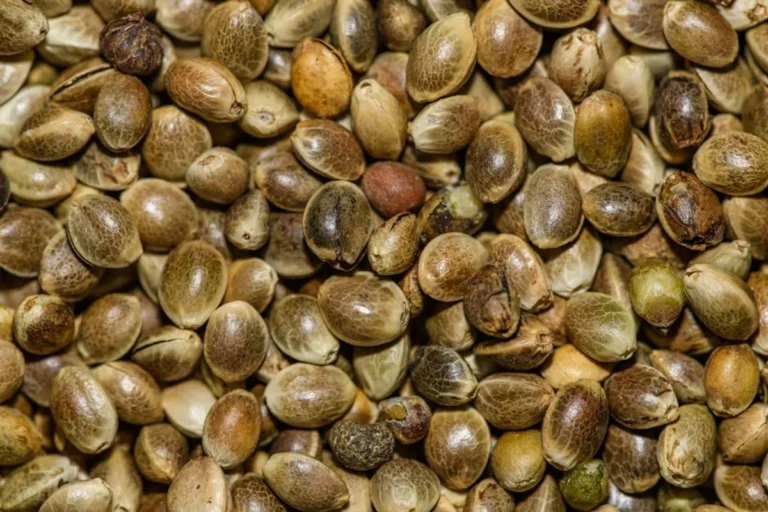
Warning: Be wary of products labeled simply as "Hemp Oil" on platforms like Amazon. These are often hemp seed oils, which contain nutritional fats but zero CBD or functional cannabinoids. True hemp extract will clearly state the milligram content of CBD or other cannabinoids on the front of the label.
3. Domestic Hemp Sourcing and Phytoremediation Awareness
Hemp is a bioaccumulator, meaning it is exceptionally efficient at "phytoremediation"—the process of cleaning the soil by absorbing everything in it, including toxins. If hemp is grown in soil contaminated with heavy metals or industrial runoff, those toxins will end up concentrated in the oil. This makes the source of the hemp a critical safety factor.
Prioritize brands that source hemp grown in the United States, specifically in states with robust agricultural programs like Colorado, Oregon, or Kentucky. These states have strict testing requirements for soil quality and pesticide use. Avoid "imported hemp" labels that do not specify the country of origin, as international standards vary wildly and often allow for higher levels of environmental contaminants.
4. Cannabinoid Spectrum Transparency
A quality hemp oil will clearly define its "spectrum." This refers to which compounds from the plant are included in the final product. Understanding these terms prevents you from buying a product that doesn't align with your needs. Understanding what full spectrum really means helps you choose the right product for your needs.
- Full Spectrum: Contains all cannabinoids, terpenes, and flavonoids found in the plant, including up to 0.3% THC. This is preferred for the "entourage effect," where compounds work synergistically.
- Broad Spectrum: Contains a wide range of cannabinoids and terpenes but has undergone additional processing to remove all detectable THC. Best for those who want the entourage effect without THC exposure.
- Isolate: 99% pure CBD. It contains no other cannabinoids or terpenes. It is predictable but lacks the synergistic benefits of whole-plant extracts.
5. High-Bioavailability Carrier Oils
Cannabinoids are fat-soluble, meaning the body struggles to absorb them without a fat source. The carrier oil used in the tincture is not just a filler; it is a delivery vehicle that dictates how much of the product actually reaches your bloodstream. The most effective carrier is MCT (medium-chain triglyceride) oil, usually derived from coconut. MCT oil is processed by the liver more quickly than other fats, allowing for faster and more efficient cannabinoid absorption. If a brand uses cheap vegetable oils or high-fructose corn syrup (in the case of gummies), it is a sign of a low-tier product.
6. Quantitative and Specific Labeling
Professional-grade hemp oil labels avoid vague terminology. If a bottle says "Extra Strength" or "High Potency" without providing a specific milligram count, it is likely a marketing gimmick. A transparent label should provide three specific data points:
- Total milligrams of cannabinoids in the entire bottle (e.g., 1500mg).
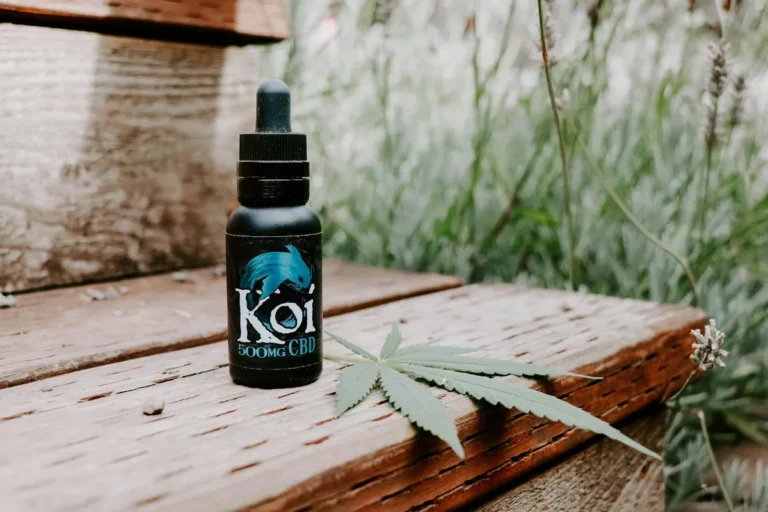
- Milligrams of cannabinoids per serving (e.g., 50mg per 1ml dropper).
- The exact serving size (e.g., 1 full dropper).
Compare the price per milligram across different brands to find the actual value. A $100 bottle with 3000mg is significantly cheaper per dose than a $50 bottle with only 500mg.
7. Visual and Sensory Consistency
While you cannot determine chemical purity by sight alone, the physical characteristics of the oil provide clues about the filtration process. Full-spectrum oils are typically darker—ranging from amber to deep gold—and have a distinct, "earthy" or "grassy" scent due to the presence of terpenes and chlorophyll. If a "Full Spectrum" oil is completely clear and odorless, it has likely been over-processed or is actually an isolate-based product. Conversely, the oil should be free of visible sediment or "floaties," which indicate poor filtration or a lack of stability in the carrier oil.
Verifying Your Selection Before Checkout
Before finalizing a purchase, perform a final audit of the brand’s digital presence. Check if they have a physical address and a customer service line, rather than just an anonymous contact form. Read the most recent third-party lab results—not the ones from two years ago—to ensure they are keeping up with current batches. If a company makes bold medical claims (e.g., "cures cancer" or "eliminates anxiety"), they are in direct violation of FDA regulations, which is a major red flag regarding their overall compliance and ethics. Stick to brands that focus on technical transparency and manufacturing excellence.
Frequently Asked Questions
How do I read a COA for the first time?
Focus on the "Summary" or "Result" column. Look for the "Pass" status on heavy metals and pesticides. Then, verify that the CBD content listed in the "Cannabinoid Profile" matches what is advertised on the bottle's label within a 10% margin of error. Knowing how to decode the label ensures you get a high-quality hemp oil that meets your expectations.
Is organic hemp oil always better?
While "USDA Organic" certification is a strong indicator of quality, many high-quality boutique farms follow organic practices but haven't paid for the formal certification. In these cases, the COA’s pesticide report is more important than the organic seal itself.
What is the difference between hemp oil and CBD oil?
In common usage, they are often the same, but technically "hemp oil" can refer to hemp seed oil (no cannabinoids). Always check the ingredients for "hemp extract" or "cannabidiol" to ensure you are getting a product with active compounds.