
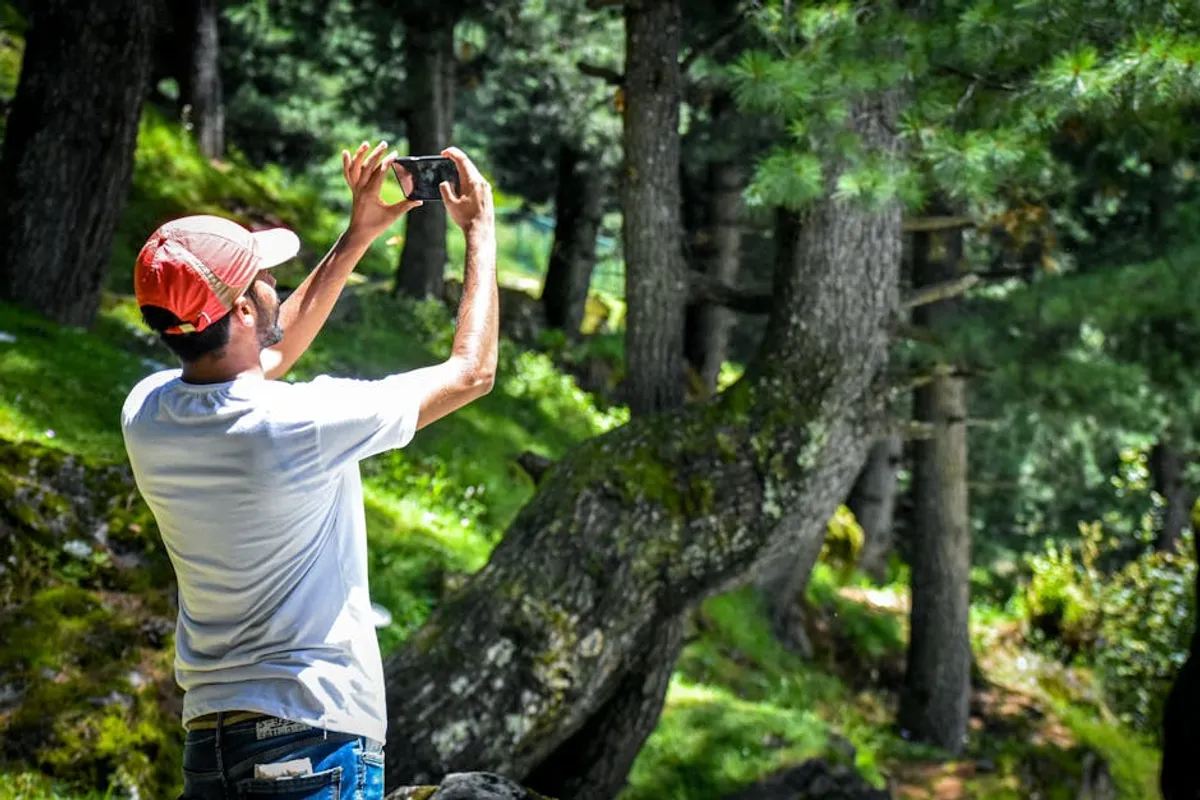
Jibhi, nestled in the Tirthan Valley of Himachal Pradesh, presents a distinct travel proposition for those seeking a quieter alternative to more frequented hill stations. Before committing to a trip, understanding the practicalities of this destination – from its accessibility and accommodation options to potential costs and available activities – is crucial for setting appropriate expectations and ensuring a fulfilling experience. This guide provides a detailed overview, designed to inform your planning and decision-making process for a visit to Jibhi.
What is Jibhi?
Location and Appeal
Jibhi is a small, picturesque village situated in the Banjar Valley, adjacent to the Tirthan Valley, in the Kullu district of Himachal Pradesh, India. It's positioned at an altitude of approximately 5,250 feet (1,600 meters) above sea level. The village is characterized by traditional Himachali architecture, dense pine and deodar forests, and the meandering Jibhi stream. Its primary appeal lies in its tranquil atmosphere, offering a respite from urban environments and focusing on nature-centric experiences rather than commercialized tourism infrastructure.
Planning Your Trip: When to Go and How to Get There
Best Time to Visit
The optimal time to visit Jibhi depends on desired activities and weather tolerance.
Spring (March to May): Offers pleasant weather with temperatures ranging from 10°C to 25°C. This period is ideal for trekking, outdoor activities, and enjoying the blooming flora. It's generally less crowded than peak summer.
Summer (June to August): Temperatures are mild, between 15°C and 30°C, making it a popular escape from the plains' heat. Monsoon rains can occur from July to September, potentially impacting road conditions and outdoor plans. Always check local weather forecasts.
Autumn (September to November): Post-monsoon, the landscape is lush, and the weather is crisp and clear, with temperatures from 5°C to 20°C. This is considered an excellent time for photography and clear views of the surrounding mountains.
Winter (December to February): Jibhi experiences cold temperatures, often dropping below 0°C, with significant snowfall, especially in January and February. While picturesque for those seeking snow, road access can be challenging, and many activities are limited.
Reaching Jibhi
Jibhi is accessible primarily by road. The nearest major town is Aut, located on the Mandi-Manali National Highway (NH3).
- By Air: The closest airport is Kullu-Manali Airport (Bhuntar Airport, KUU), approximately 60 km from Jibhi. From Bhuntar, taxis or local buses are available to Aut and then to Jibhi.
- By Train: The nearest major railway station is Ambala Cantt (UMB) or Chandigarh (CDG). From these stations, travelers typically take an overnight bus to Aut.
- By Road:
From Delhi: Overnight volvo buses run regularly to Manali. Disembark at Aut Tunnel exit. From Aut, Jibhi is about 30 km. Local buses or shared taxis are available from Aut to Banjar, and then further to Jibhi. A direct taxi from Aut to Jibhi costs approximately INR 1000-1500, depending on negotiation and vehicle type.
From Shimla: Jibhi is approximately 150 km from Shimla via the Jalori Pass. However, Jalori Pass is often closed during winter due to heavy snowfall, necessitating a longer route via Mandi.
Accommodation in Jibhi: Options and Pricing
Jibhi's accommodation landscape emphasizes guesthouses and homestays over large hotels, aligning with its tranquil, local experience. Booking in advance, especially during peak seasons (May-June, October-November), is advisable.
Types of Stays
Homestays: These offer an immersive local experience, often including home-cooked meals. They vary from basic rooms to well-appointed cottages. Prices typically range from INR 1,500 to INR 3,500 per night for a double room, often including breakfast.
Guesthouses and Boutique Stays: Several guesthouses provide comfortable amenities, sometimes with river views or garden access. These can range from INR 2,000 to INR 5,000 per night for a double room, depending on the level of comfort and services offered.
Campsites: For a more adventurous stay, some operators offer tented accommodation, particularly during warmer months. Prices for camping can start from INR 800-1,500 per person per night, often inclusive of dinner and breakfast.
Budgeting for Accommodation
Expect to allocate 30-50% of your daily budget to accommodation. Prices are generally higher on weekends and during major Indian holidays. Always confirm what is included in the stated price (e.g., meals, heating, specific amenities) before booking.
Experiences in Jibhi: Activities and Exploration
Jibhi's activities are primarily centered around nature, trekking, and experiencing local culture.
Nature and Treks
Jibhi Waterfall: A short, accessible walk from the main village leads to a picturesque waterfall, ideal for a relaxed afternoon.
Serolsar Lake: A moderate trek (approximately 5-6 hours round trip) from Jalori Pass, this pristine lake is surrounded by dense forests and has a small temple dedicated to Budhi Nagini Devi. The trek offers panoramic views of the Himalayas.
Jalori Pass: Located at an altitude of 10,800 feet (3,300 meters), it's a gateway to various treks. The drive up to the pass itself offers stunning vistas.
Raghupur Fort: A relatively easy trek (around 3 km from Jalori Pass) leads to the ruins of an ancient fort, offering 360-degree views of the surrounding valleys.
Tirthan Valley Exploration: Jibhi serves as a convenient base to explore nearby Tirthan Valley, known for its National Park and trout fishing opportunities.
Cultural Immersion and Local Life
Village Walks: Explore the traditional Himachali villages, observe local life, and interact with residents. The architecture, including the unique tower-like structures, is distinctive.
Local Cuisine: Sample Himachali dishes like Siddu, Red Rice, and various local curries at homestays or small eateries.
Trout Fishing: The Tirthan River, a short distance from Jibhi, is renowned for trout fishing. Permits are required and can often be arranged through local guides or homestay owners.
Pro Tip: When planning treks from Jalori Pass, verify road conditions and weather forecasts, especially during shoulder seasons (early spring, late autumn) when unpredictable snow or rain can affect accessibility. Carry sufficient water and snacks, as facilities are minimal on most trails.
Understanding Jibhi Travel Costs
A realistic budget for Jibhi depends on your travel style. Here's an estimated breakdown for a mid-range traveler per person per day, excluding major transport to and from Jibhi:
- Accommodation: INR 1,500 - 3,000 (for a double room, splitting cost)
- Food: INR 700 - 1,200 (mix of local eateries and homestay meals)
- Local Transport: INR 300 - 800 (shared taxis, local buses for day trips)
- Activities/Permits: INR 200 - 500 (entry fees, fishing permits, guide charges if applicable)
- Miscellaneous: INR 200 - 500 (snacks, souvenirs, unforeseen expenses)
This suggests a daily expenditure of approximately INR 2,900 - 6,000 per person for a comfortable, but not luxurious, experience in Jibhi. Budget travelers can reduce costs by opting for more basic homestays and relying heavily on local buses.
Essential Travel Tips for Jibhi
Connectivity and Essentials
Mobile Network: Connectivity can be sporadic. Jio and BSNL tend to have better coverage in some areas, but expect limited or no service in remote spots. Inform loved ones in advance.
Internet: While some guesthouses offer Wi-Fi, it may be slow or unreliable. Do not rely on strong internet for work or critical communications.
ATMs: The nearest ATMs are in Banjar, about 8 km from Jibhi. It's advisable to carry sufficient cash, as many local establishments do not accept digital payments.
Packing: Layers are essential due to fluctuating mountain weather. Include warm clothing even in summer, rain gear (especially for monsoon), comfortable walking shoes for treks, a first-aid kit, and basic toiletries.
Responsible Tourism
Waste Management: Jibhi is a pristine area. Carry back all non-biodegradable waste, avoid littering, and use designated bins where available. Support local initiatives for waste reduction.
Respect Local Culture: Dress modestly, especially when visiting temples or local homes. Be mindful of local customs and traditions.
Support Local Economy: Prioritize local homestays, eateries, and guides to ensure your visit benefits the community directly.
Making the Most of Your Jibhi Visit
A successful trip to Jibhi hinges on embracing its laid-back pace and natural environment. Focus on experiences that connect you with the local landscape and culture, rather than seeking extensive commercial amenities. Engage with your hosts, explore the trails, and allow for flexibility in your itinerary to accommodate local insights or unexpected weather changes. Prioritize preparation regarding cash, connectivity, and appropriate attire to minimize logistical disruptions and fully immerse yourself in the tranquility Jibhi offers.
Frequently Asked Questions
Is Jibhi suitable for families with children?
Yes, Jibhi can be suitable for families, especially those who enjoy nature and outdoor activities. Many homestays are family-friendly, and simpler walks like the Jibhi waterfall are accessible. However, longer treks may not be suitable for very young children.
Are there medical facilities in Jibhi?
Basic medical aid is available in Banjar, the nearest town. For serious emergencies, one would need to travel to larger hospitals in Kullu or Mandi. It is recommended to carry a personal first-aid kit for minor ailments.
Can I find vegetarian food options easily?
Yes, vegetarian food is widely available. Most homestays offer home-cooked vegetarian meals, and local eateries primarily serve vegetarian Himachali and Indian dishes. Vegan options might require specific requests.
Is it safe to travel solo to Jibhi?
Jibhi is generally considered safe for solo travelers, including women. The local community is welcoming. However, standard travel precautions should always be observed, especially when trekking alone or venturing out after dark.