
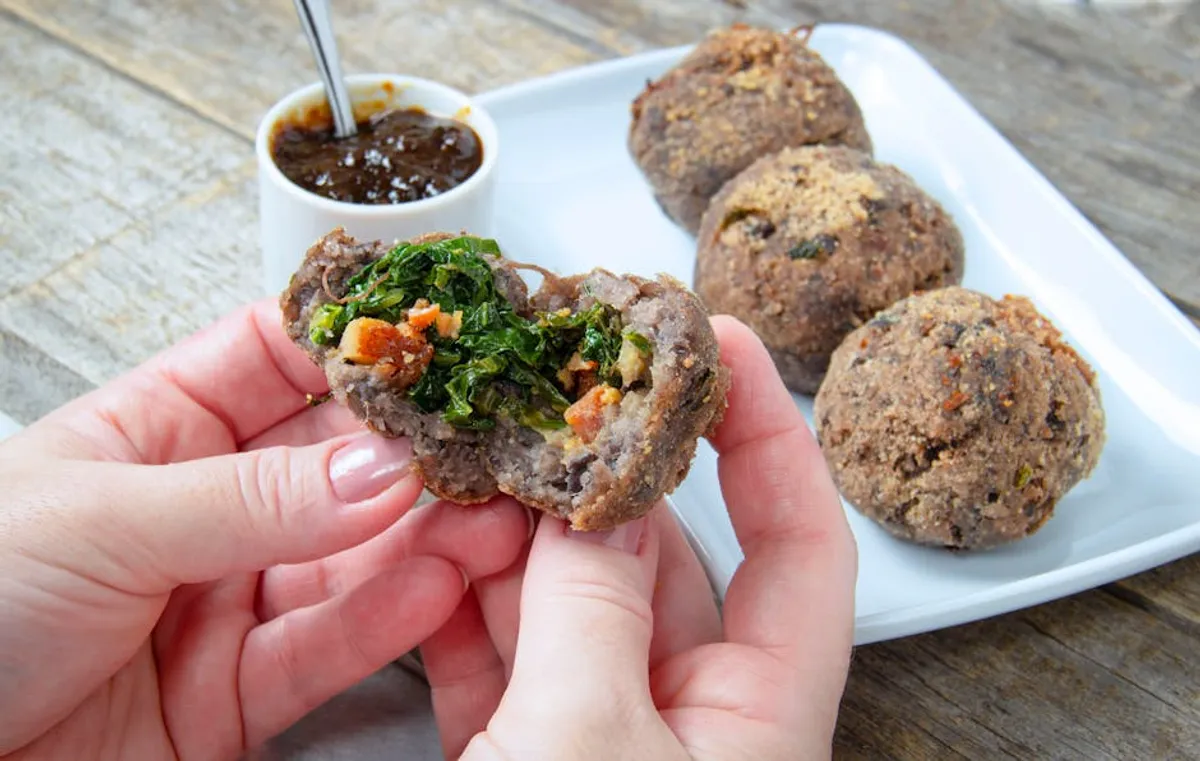
Brazilian food presents a vibrant, complex culinary landscape, shaped by indigenous, African, and European influences across its vast geography. For anyone looking to understand, experience, or even market this cuisine, a structured approach is essential. This guide breaks down the core components of Brazilian gastronomy, offering insights into its regional diversity, iconic dishes, typical pricing structures, and practical considerations for a truly informed exploration.
The Regional Tapestry of Brazilian Cuisine
Brazil’s culinary identity is not monolithic; it’s a mosaic of distinct regional traditions. Understanding these variations is crucial for appreciating the breadth of its food culture.
Northern Brazil: Amazonian Flavors
The Amazon region, encompassing states like Amazonas and Pará, features a cuisine deeply rooted in its rainforest environment. Dishes here utilize freshwater fish such as pirarucu and tambaqui, exotic fruits like cupuaçu and açaí (often consumed savory with fish), and root vegetables like manioc (cassava). Tucupi, a yellow sauce extracted from wild manioc, is a staple, often used in tacacá, a warming soup. The flavors are typically earthy, sometimes tart, and distinct from other regions.
Northeast Brazil: African and Indigenous Influences
The Northeast, particularly Bahia, showcases the strongest African culinary heritage, blended with indigenous traditions. Palm oil (dendê) is a defining ingredient, imparting a rich, reddish hue and unique flavor to many dishes. Seafood is prevalent, often prepared with coconut milk. Signature dishes include moqueca (a fish or seafood stew), acarajé (deep-fried black-eyed pea fritters), and vatapá (a creamy shrimp and bread purée). The cuisine is known for its robust flavors and often includes a noticeable spice level.
Southeast Brazil: Urban and Traditional Blends
The Southeast, home to São Paulo, Rio de Janeiro, and Minas Gerais, combines urban sophistication with traditional rural fare. Minas Gerais is famed for its comfort food, dairy products, and pão de queijo (cheese bread). São Paulo offers an internationalized palate alongside traditional Brazilian options. Rio de Janeiro is where feijoada, the national dish, finds its most iconic expression. This region also features a strong influence from European immigrants, evident in bakeries and pasta dishes.
Southern Brazil: European and Gaúcho Traditions
The South, including states like Rio Grande do Sul, is characterized by its European (German, Italian) immigrant heritage and the gaúcho (cowboy) culture. Churrasco, the traditional Brazilian barbecue, originated here, featuring various cuts of meat grilled over open flames. Mate (chimarrão) is a popular beverage, and dishes often include polenta, pasta, and strong cheeses. The cuisine tends to be heartier and meat-focused.
Essential Dishes and Culinary Staples
While regional diversity is key, certain dishes have achieved national recognition and are fundamental to the Brazilian culinary experience.
Feijoada: The National Dish
This hearty stew of black beans with various cuts of pork and beef is typically served with rice, collard greens, farofa (toasted cassava flour), and orange slices. It's traditionally a Saturday lunch, offering a rich, complex flavor profile.
Moqueca: Coastal Delights
A fragrant seafood stew, moqueca varies between Bahia (Moqueca Baiana, with palm oil and coconut milk) and Espírito Santo (Moqueca Capixaba, lighter, without palm oil). Both versions feature fish or shrimp simmered with tomatoes, onions, and peppers, offering a delicate yet flavorful experience.
Pão de Queijo: Everyday Indulgence
These small, gluten-free cheese breads made from tapioca flour are a ubiquitous snack. Crispy on the outside and chewy on the inside, they are a staple at breakfast, coffee breaks, and as an accompaniment to meals.
Churrasco: The Southern Grilling Tradition
More than just barbecue, churrasco is a social event. Skewered meats, often picanha (top sirloin cap), are slow-roasted and carved tableside. The emphasis is on the quality of the meat and simple seasoning, typically coarse salt.
Acarajé: Street Food Icon
Acarajé consists of deep-fried patties of mashed black-eyed peas, split and filled with vatapá, caruru (okra stew), and shrimp. It's a flavorful, often spicy, street food originating from Bahia, reflecting strong West African culinary roots.
Navigating Pricing and Value
The cost of Brazilian food varies significantly based on the dining experience, location, and type of establishment. Understanding these tiers helps manage expectations and budgets.
Restaurant Tiers and Costs
- Lanchonetes/Padarias: These bakeries and snack bars offer budget-friendly options like pão de queijo, pastries, and sandwiches. A quick meal or snack typically costs under R$20-30.
- Restaurantes por Quilo (Weight-based restaurants): Common for lunch, these buffets charge by the weight of the food on your plate. They offer a wide variety of dishes and are an excellent value, usually R$30-60 per person.
- Mid-Range Restaurants: A sit-down meal with table service can range from R$60-120 per person, depending on the city and cuisine.
- Fine Dining: High-end restaurants in major cities can easily exceed R$150-300+ per person, comparable to international fine dining establishments.
Street Food and Markets: Budget-Friendly Options
Street vendors and local markets are excellent places for affordable, authentic food. Acarajé, pastel (fried pastry with various fillings), and coxinha (shredded chicken croquettes) are typically inexpensive, ranging from R$5-20 per item.
Ingredient Costs for Home Cooking
Basic ingredients like rice, beans, manioc flour, and common vegetables are generally affordable. Exotic fruits and certain cuts of meat can be more expensive, but overall, home cooking in Brazil is cost-effective.
Practical Tips for Experiencing Brazilian Food
To fully appreciate Brazilian cuisine, a few practical considerations enhance the experience.
Ordering and Etiquette
Portions in Brazil, especially for main dishes, are often generous and intended for sharing. It's common to order a single main course and share it between two people, supplemented by sides. Tipping is customary, usually 10%, often added automatically to the bill.
Pro Tip: When trying new street foods or regional specialties, start with smaller portions. Many dishes, particularly in the Northeast, use palm oil (dendê) which can be rich and heavy for those unaccustomed to it. Hydrate well, especially in warmer climates, and observe local hygiene practices for street vendors.
Must-Try Beverages and Desserts
Beyond the main dishes, explore the vibrant array of Brazilian drinks and sweets. Fresh fruit juices (suco de fruta) from mango, passion fruit, cashew fruit (caju), and acerola are ubiquitous. The caipirinha, made with cachaça (sugarcane spirit), lime, and sugar, is the national cocktail. For desserts, brigadeiro (chocolate fudge ball), quindim (coconut and egg yolk custard), and various fruit mousses are popular choices.
Dietary Considerations
Vegetarian and vegan options are becoming more common, especially in larger cities, but can be challenging in traditional establishments or smaller towns. Rice, beans, and salads are often available. Gluten-free options are naturally present due to the use of manioc and tapioca flour in many dishes (e.g., pão de queijo), but cross-contamination is always a possibility in shared kitchens. For allergies, clearly communicating in Portuguese or using translation apps is advisable.
Key Takeaways for Culinary Exploration
Engaging with Brazilian food means embracing its diversity and understanding the cultural narratives woven into each dish. From the Amazon's unique ingredients to the Southern churrasco, each region offers a distinct culinary journey. Approach it with an open palate, an awareness of local customs, and a readiness to explore the full spectrum of flavors and textures. This comprehensive understanding enhances not just the dining experience but also provides a deeper appreciation for Brazil's rich cultural heritage.
Frequently Asked Questions about Brazilian Cuisine
What is the most famous Brazilian dish?
Feijoada, a hearty black bean stew with various meats, is widely considered Brazil's national dish and is its most famous culinary offering.
Is Brazilian food spicy?
Generally, Brazilian food is not inherently spicy compared to cuisines like Mexican or Thai. However, some regional dishes, particularly from the Northeast (e.g., acarajé), can include chili peppers or hot sauces, often served on the side.
What are common ingredients in Brazilian cooking?
Staple ingredients include rice, black beans, cassava (manioc), various cuts of beef and pork, chicken, fresh fruits, vegetables like collard greens and okra, and coconut milk, especially in coastal regions.
How much should I expect to pay for a typical meal in Brazil?
A budget-friendly meal at a *lanchonete* or *restaurante por quilo* can cost R$20-60. A mid-range restaurant meal might be R$60-120 per person, while fine dining can be significantly higher.