If you have arrived here without a glossary, this page is for you. Most articles in this category will assume you have read it. By the end of five minutes, you will know enough to read everything else without getting lost.
Hemp and cannabis are the same plant
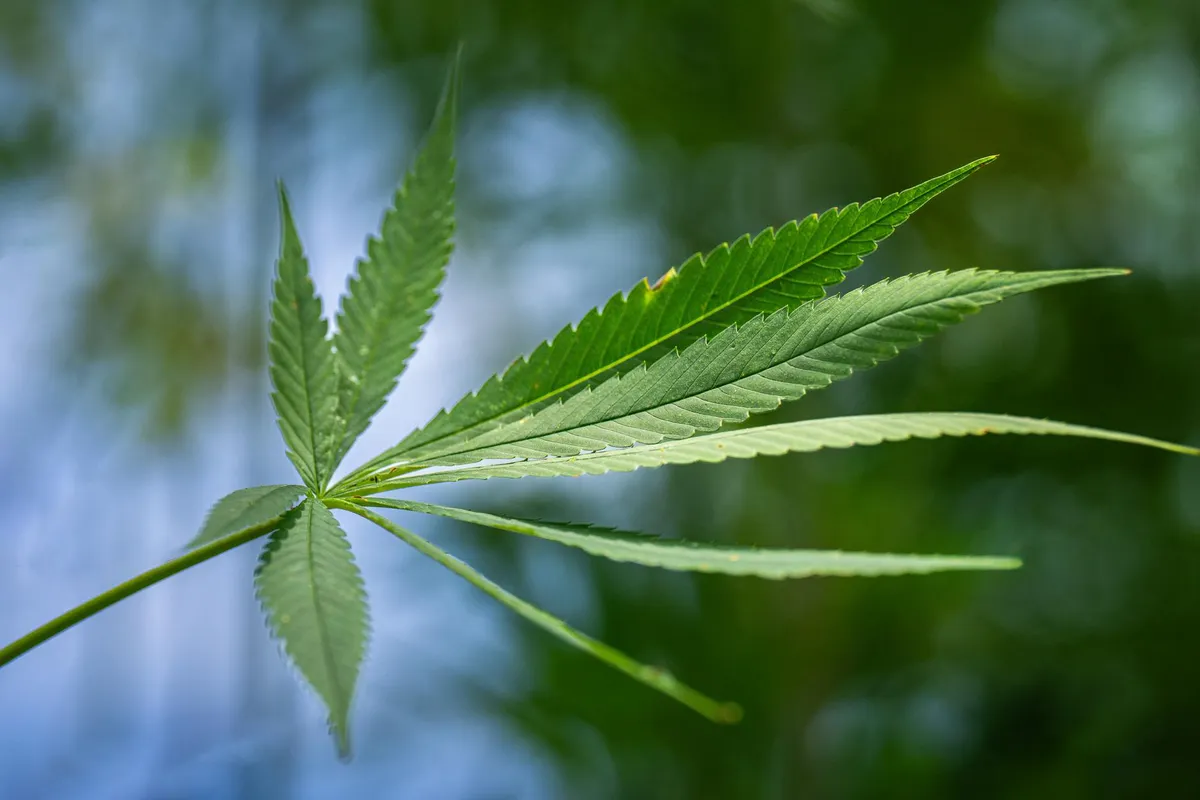
Botanically speaking, hemp and cannabis are the same species — Cannabis sativa. The legal distinction in most countries is the level of one specific compound, THC, in the dried plant. Below 0.3% THC, it is "hemp" and is legal in most places. Above that threshold, it is "cannabis" and is regulated as a drug.
Both plants make hundreds of compounds. The two most-talked-about are CBD (cannabidiol) and THC (tetrahydrocannabinol). Hemp oil sold for wellness purposes contains CBD and other minor cannabinoids; it does not contain enough THC to be psychoactive.
CBD is not a vitamin and is not a drug
CBD is a compound the plant makes. It is not a nutrient — your body does not need it the way it needs vitamin C. It is also not, in most jurisdictions, a regulated drug, with one important exception: a CBD-based prescription medication for severe paediatric epilepsy. Outside that exception, CBD sits in a regulatory grey zone — sold as a dietary supplement, marketed as a wellness ingredient, and held to standards that vary widely between brands.
The endocannabinoid system, briefly
Your body makes its own cannabinoid-like compounds (called endocannabinoids) and has receptors throughout the nervous and immune systems that respond to them. The plant compounds in hemp oil interact with this system. The system itself is involved in regulating mood, sleep, appetite, pain, and stress response. The interaction is real, well-documented, and not a marketing claim.
What is also true: the size and reliability of the effect varies enormously between people, and the research is still early on most specific applications. Scepticism is appropriate. Outright dismissal is not.
Will it get you high
No. Hemp oil sold legally in the wellness category contains, by definition, less THC than is needed for psychoactive effect. You may feel slightly more relaxed, or you may feel nothing. You will not feel intoxicated.
Where to go from here
Read our Buyer Guides for how to choose a product, our Wellness notes for how it fits into a routine, and our Reviews for tested products. Each of those assumes you have read this page first.