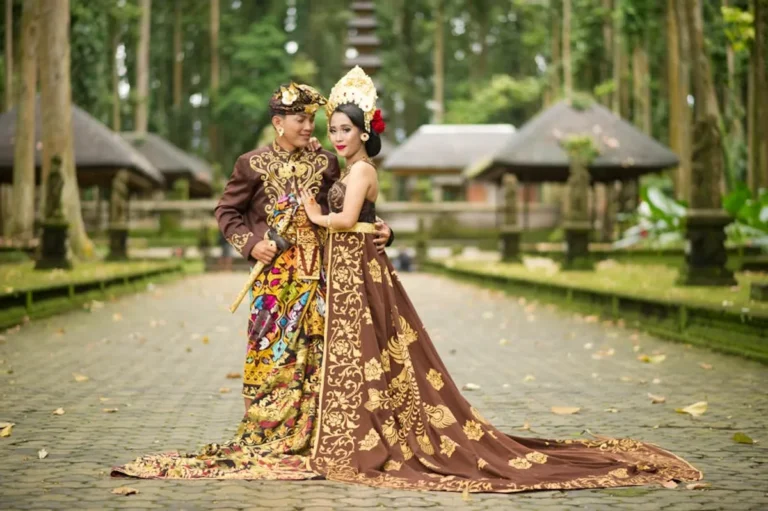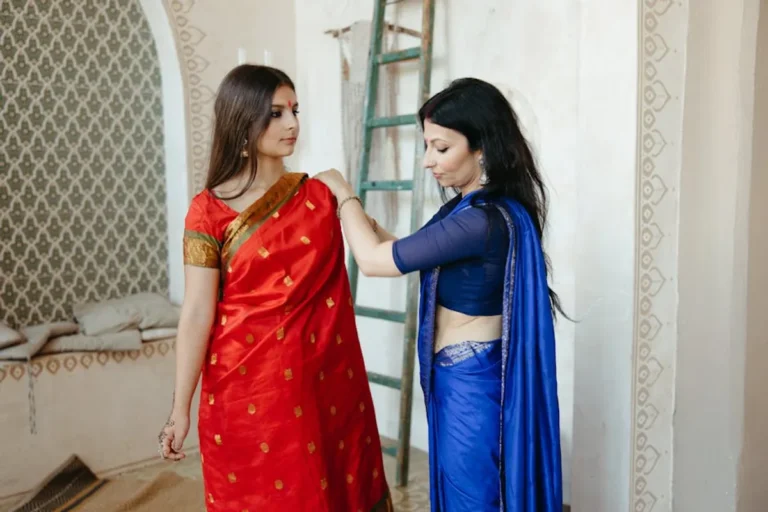

Warna earth tone, encompassing a spectrum of hues found in nature—from deep forest greens and rich terracotta oranges to sandy beiges and warm chocolate browns—offer a foundation for a wardrobe that is both timeless and adaptable. These colors resonate with a sense of grounded sophistication, providing a versatile palette that transcends fleeting trends. Understanding how to integrate earth tones effectively means recognizing their inherent ability to complement various skin tones, blend seamlessly for effortless layering, and transition across seasons and occasions. This guide explores the practical application of earth tones, detailing how to build cohesive looks and leverage their commercial appeal for a polished, enduring style.
The Core Earth Tone Spectrum: Identifying Key Hues
The foundation of any successful earth tone wardrobe lies in a clear understanding of the primary colors within this family. These are not merely muted shades, but rather specific tones that evoke natural landscapes. Recognizing these distinct categories allows for more precise and impactful styling decisions.
- Browns: Ranging from light taupe and camel to deep espresso and mahogany. These provide a robust base for any outfit.
- Greens: Encompassing olive, sage, moss, and forest green. These hues introduce an organic, calming element.
- Beiges & Creams: Essential for lightness and contrast, including oatmeal, sand, and ivory. They brighten and soften heavier tones.
- Terracottas & Rusts: Warm, inviting shades like burnt orange, clay, and brick red. They add a touch of vibrancy without being overpowering.
- Muted Yellows & Golds: Think mustard, ochre, and antique gold. These provide subtle warmth and a sun-kissed feel.
- Warm Grays: Unlike cool grays, these have undertones of brown or beige, such as mushroom or stone gray, offering a sophisticated neutral.
Each of these categories contributes to the overall versatility of the earth tone palette, allowing for diverse combinations that maintain coherence.
Building a Foundational Earth Tone Wardrobe
A strategic approach to incorporating earth tones begins with selecting core pieces that serve as versatile building blocks. These items should be high-quality and offer flexibility for various styling scenarios, forming the backbone of a sophisticated wardrobe.
Neutral Staples for Every Season
Prioritize garments that can be dressed up or down and easily mixed with other colors. These pieces offer maximum return on investment due to their adaptability.
Key items:
- Camel Coat: A classic outerwear piece that instantly elevates any ensemble. Its neutral warmth pairs with virtually all earth tones and even bolder colors.
- Olive Green Trousers/Skirt: Provides a subtle pop of color while remaining grounded. Opt for tailored cuts for professional settings or relaxed fits for casual wear.
- Cream Knit Sweater: Essential for layering and adding texture. A cream or ivory sweater brightens darker earth tones and provides a soft contrast.
- Brown Leather Belt and Boots: These accessories are functional and visually connect different elements of an outfit. A rich brown complements the natural aesthetic.
- Beige Trench Coat: A timeless piece that offers practicality and effortless elegance, suitable for transitional weather and layering over diverse outfits.
Strategic Statement Accents
While neutrals form the base, carefully chosen accent pieces can introduce depth and personality without disrupting the harmonious palette. These are items that stand out subtly.
Consider:
- Terracotta Blouse: Adds a warm, inviting focal point when paired with neutral bottoms.
- Mustard Scarf: A small accessory that introduces a vibrant, yet still earthy, touch of color around the face.
- Patterned Skirt (e.g., subtle plaid or abstract print in earth tones): Introduces visual interest and texture, breaking up solid blocks of color while maintaining the aesthetic.
Mastering Earth Tone Combinations
The true strength of earth tones lies in their ability to combine effortlessly. Understanding specific pairing strategies allows for dynamic and visually appealing outfits.
Monochromatic Harmony and Tonal Layering
Creating looks within a single color family, or using varying shades of the same hue, produces a sophisticated, elongated silhouette. This approach emphasizes texture and subtle shifts in tone.
Example: Pairing a dark chocolate brown skirt with a lighter camel-colored sweater and a mid-brown trench coat. The variation in shade adds depth, while the consistent color family ensures cohesion.
Contrasting Textures for Visual Interest
Combine different fabric types to add tactile and visual dimension. This prevents earth tone outfits from appearing flat or one-dimensional.
Pairing examples:
- Rough linen with smooth silk
- Chunky knit wool with soft cotton twill
- Suede with denim
- Leather with cashmere
The interplay of textures creates a richer, more engaging aesthetic, even with a limited color palette.
Strategic Pops of Color
While earth tones are inherently natural, they can be enhanced by introducing a single, carefully chosen non-earth tone color. This should be used sparingly to avoid overpowering the natural palette.
Effective accents:
- Deep Burgundy: Adds a rich, autumnal feel without clashing.
- Navy Blue: A classic, sophisticated contrast that grounds warmer earth tones.
- Dusty Rose: Introduces a soft, feminine touch, particularly with greens and browns.
These accent colors work best in small doses, such as a handbag, shoes, or a single accessory.
Pro Tip: When combining earth tones, pay close attention to the undertones of each garment. Warm earth tones (those with yellow, orange, or red undertones) generally harmonize best with other warm tones. Similarly, cooler earth tones (with green or gray undertones) often pair well together. Mixing warm and cool undertones can be done, but requires a more deliberate approach to ensure balance.
Integrating Earth Tones into Your Personal Style
Adopting an earth tone palette is not about uniformity, but about leveraging its versatility to enhance individual expression. Start by identifying which earth tones naturally complement your existing wardrobe and personal aesthetic. Experiment with layering different shades and textures to discover combinations that feel authentic and comfortable. Invest in a few high-quality foundational pieces that can anchor multiple outfits. Remember that accessories—from leather goods to natural stone jewelry—can significantly amplify the organic sophistication of earth tones. The goal is to cultivate a wardrobe that is both cohesive and reflective of your unique style, built on the enduring appeal of nature-inspired hues.
Frequently Asked Questions
What makes a color an "earth tone"?
Earth tones are colors derived from natural elements, such as soil, rocks, plants, and minerals. They typically include various shades of brown, green, beige, terracotta, and muted yellows, characterized by their subdued saturation and warm or neutral undertones.
Are earth tones suitable for all skin tones?
Yes, earth tones are highly versatile and generally flattering across all skin tones. The key is to identify which specific shades within the earth tone spectrum best complement your complexion. For example, warmer skin tones might gravitate towards olive greens and rich browns, while cooler skin tones may find sage greens and mushroom grays more complementary.
How can I prevent earth tone outfits from looking dull?
To avoid a flat appearance, focus on incorporating texture, varying shades within the same color family, and strategic accessorizing. Mixing different fabrics like wool, linen, silk, and leather adds visual interest. Introducing a subtle pattern or a small pop of a complementary, non-earth tone color (like a dusty rose scarf or navy belt) can also elevate the outfit.
Can earth tones be worn year-round?
Absolutely. Earth tones are inherently seasonless. For spring and summer, opt for lighter shades like sand, sage, and cream in breathable fabrics such as linen and cotton. In autumn and winter, transition to deeper hues like forest green, rust, and chocolate brown, utilizing richer textures like wool, corduroy, and cashmere for warmth and depth.