
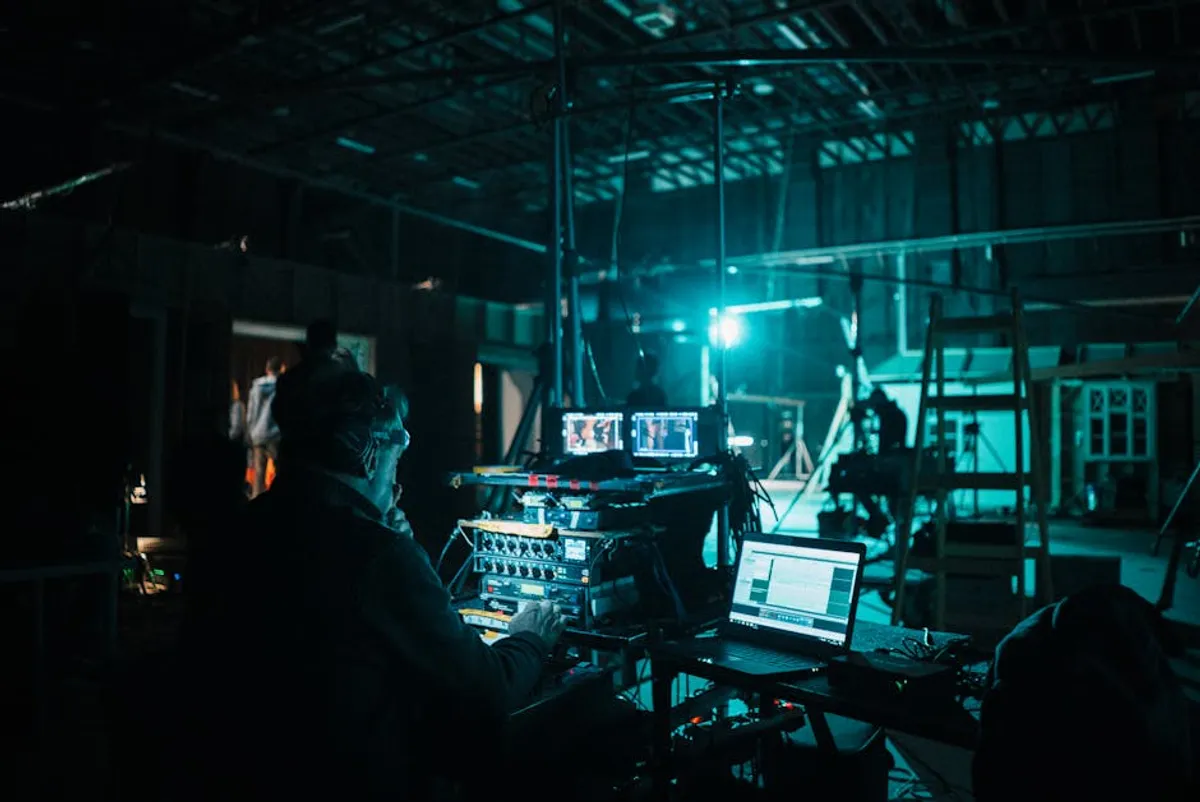
Stageandcinema focuses its content strategy on the performing arts and film, aiming to capture an audience interested in critical analysis, news, and commentary within these cultural spheres. Understanding its content categories, audience intent, and search visibility patterns provides insight into how a niche cultural commentary site positions itself for organic traffic. The site's approach to covering theatre and cinema, from reviews to broader cultural discussions, shapes its keyword profile and the types of search queries it can effectively answer.
What Stageandcinema Appears to Cover
Stageandcinema's content largely revolves around critical engagement with theatrical productions and cinematic releases. Its primary content categories include reviews of current plays, musicals, and films, often accompanied by detailed analysis of performances, direction, and thematic elements. Beyond reviews, the site publishes interviews with actors, directors, and playwrights, offering behind-the-scenes perspectives and insights into the creative process. It also features news updates on upcoming productions, festival coverage, and industry trends, alongside deeper cultural commentary exploring the historical context or societal impact of various works. This broad scope allows Stageandcinema to build topical authority across several clusters within the arts, from specific film genres and theatre movements to profiles of influential artists and venues.
Where Its Search Traffic May Come From
Stageandcinema likely attracts search traffic from a mix of specific and broad queries related to arts and culture. A significant portion of its organic visibility can be attributed to long-tail keywords, such as "[play title] review," "[film director] interview," or "analysis of [thematic element in film/play]." These queries indicate a highly engaged user base actively seeking detailed information or critical perspectives. Informational searches, like "best plays in [city]" or "history of [theatre movement]," also contribute, drawing users looking for educational or contextual content. Navigational queries for "Stageandcinema" itself, or for specific writers associated with the site, suggest a returning audience. Event-driven searches, particularly around major film festivals or Broadway openings, provide spikes in traffic for timely, relevant content.
Search Intent Behind the Subject
The search intent targeting Stageandcinema's content is predominantly informational and evaluative. Users with informational intent are often seeking to understand a particular play's plot, a film's production details, or an artist's background. For example, queries like "what is [play's] synopsis" or "who directed [film]" fall into this category. Evaluative intent is strong among users looking for critical opinions before committing to watching a film or attending a play, manifesting in searches such as "is [movie] worth watching" or "[theatre production] critical reception." While less direct, an indirect transactional intent exists when users consult reviews to inform their decision to purchase tickets or subscribe to streaming services. The site also caters to an educational intent, with content providing historical context or theoretical frameworks for understanding the arts.
Why Traffic May Rise or Fall
Stageandcinema's organic traffic can fluctuate based on several factors. A rise in visibility often correlates with timely, high-quality coverage of popular new releases in theatre and film, especially when its reviews gain traction in search results for trending titles. Strong internal linking across related articles, effective use of structured data for reviews and events, and consistent updates to evergreen content (e.g., "best films of the decade") can also contribute to sustained growth. Conversely, traffic may fall due to a decrease in content freshness, particularly for time-sensitive topics. Algorithm updates that favor larger media outlets or different content formats could negatively impact its rankings. Increased competition from other arts and culture sites, or a decline in overall search interest for specific niche topics, also present challenges. Technical issues affecting site performance or mobile usability could further degrade search visibility.
How the Site Could Improve Organic Visibility
To enhance its organic visibility, Stageandcinema could implement several SEO strategies. Expanding its use of structured data, specifically for review snippets, event listings, and article schema, would help search engines better understand and display its content in rich results. Developing comprehensive topic clusters around key directors, actors, or theatre companies, with strong internal linking, could build greater topical authority. Optimizing for comparative search queries, such as "films similar to [title]" or "alternatives to [popular play]," would capture users exploring options. Creating more "best of" lists (e.g., "best independent films of the year," "top contemporary playwrights") can attract high-volume informational searches. Additionally, ensuring a fast, mobile-responsive user experience and actively building an authoritative backlink profile through industry collaborations or expert contributions would further solidify its search presence.
What to Check Before Trusting Traffic Estimates
When evaluating search traffic estimates for a site like Stageandcinema, it is crucial to approach the data with caution. Most third-party traffic estimation tools rely on various methodologies, including sampled clickstream data and keyword ranking analyses, which can provide directional insights but are rarely exact. These tools may not fully capture the nuances of niche audiences or long-tail search behavior, potentially underestimating or overestimating actual visitor numbers. Factors such as geographical targeting, specific content types (e.g., video content, interactive elements), and the recency of data collection can all influence accuracy. Therefore, it is best to use these estimates to identify trends, compare relative performance against competitors (if applicable), and pinpoint content areas with potential, rather than relying on absolute figures as definitive metrics.
What kind of content does Stageandcinema publish?
Stageandcinema publishes a range of content including critical reviews of theatre and film, interviews with artists, news updates on productions and industry trends, and in-depth cultural commentary on various aspects of performing arts and cinema.
How does Stageandcinema attract search traffic?
Stageandcinema attracts search traffic through specific long-tail queries for reviews and analyses of plays and films, informational searches about artists and cultural movements, and navigational searches for its brand name and associated writers.
What is the typical audience for Stageandcinema?
The typical audience for Stageandcinema includes theatre and film enthusiasts, students of performing arts, industry professionals, and individuals seeking informed critical perspectives before engaging with cultural content.
Can Stageandcinema's content help with decision-making for arts enthusiasts?
Yes, Stageandcinema's detailed reviews and critical analyses provide valuable insights that can inform arts enthusiasts' decisions on which plays to see, films to watch, or artists to follow, catering to an evaluative search intent.